
CONCERNS
Acne
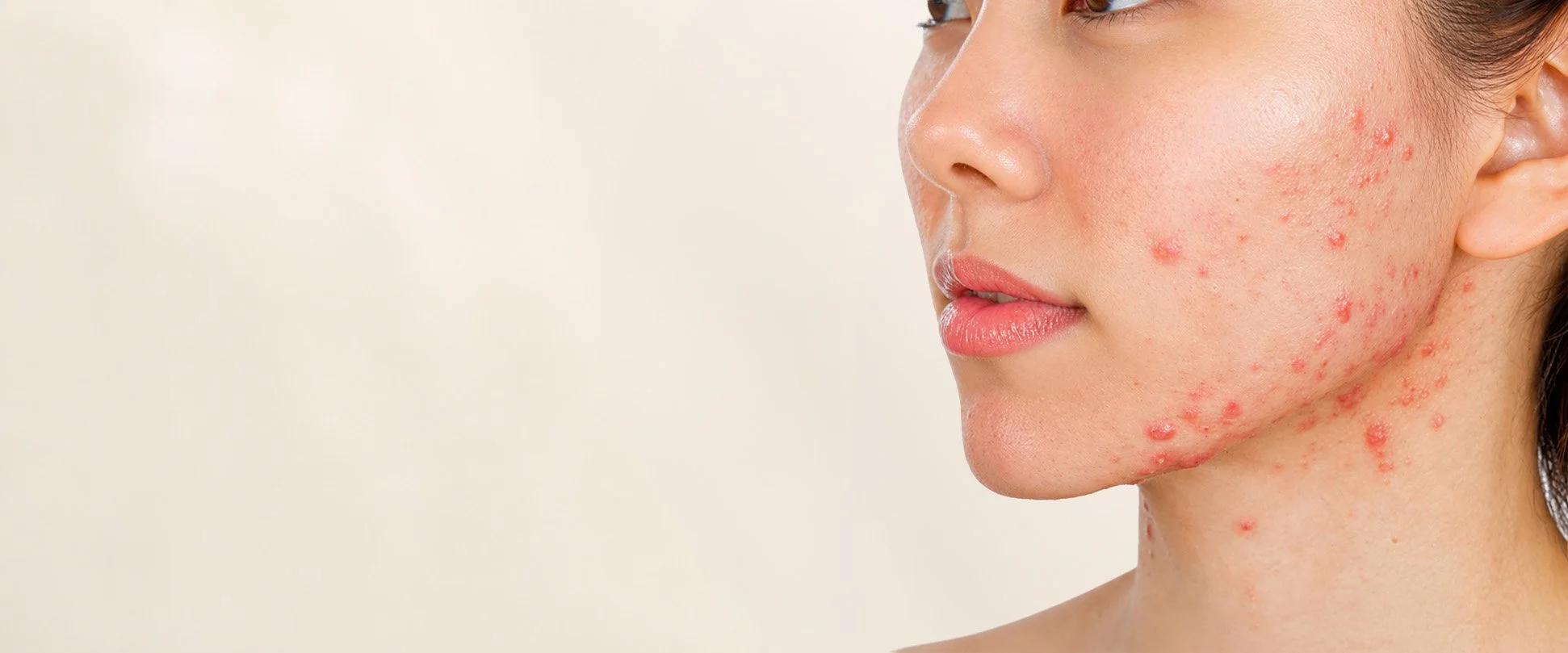
Acne occurs when excess oil, dead skin cells, and bacteria become trapped within the pores, leading to inflammation and visible breakouts. While commonly associated with adolescence, acne can affect individuals of all ages and may range from occasional pimples to persistent inflammatory lesions. Effective treatment focuses on controlling the underlying causes of acne while reducing the risk of future scarring and skin damage.
Understanding Acne
Acne develops when the skin's pores become blocked by excess sebum (oil) and dead skin cells. As the blockage builds up, bacteria naturally present on the skin can multiply within the pore, triggering inflammation and the formation of acne scars.
Several factors may contribute to acne:
Excess Oil Production
Blocked Pores
Bacterial Activity
Hormonal Changes
Lifestyle & Environmental Factors
Common Types of Acne
Nodules & Cysts
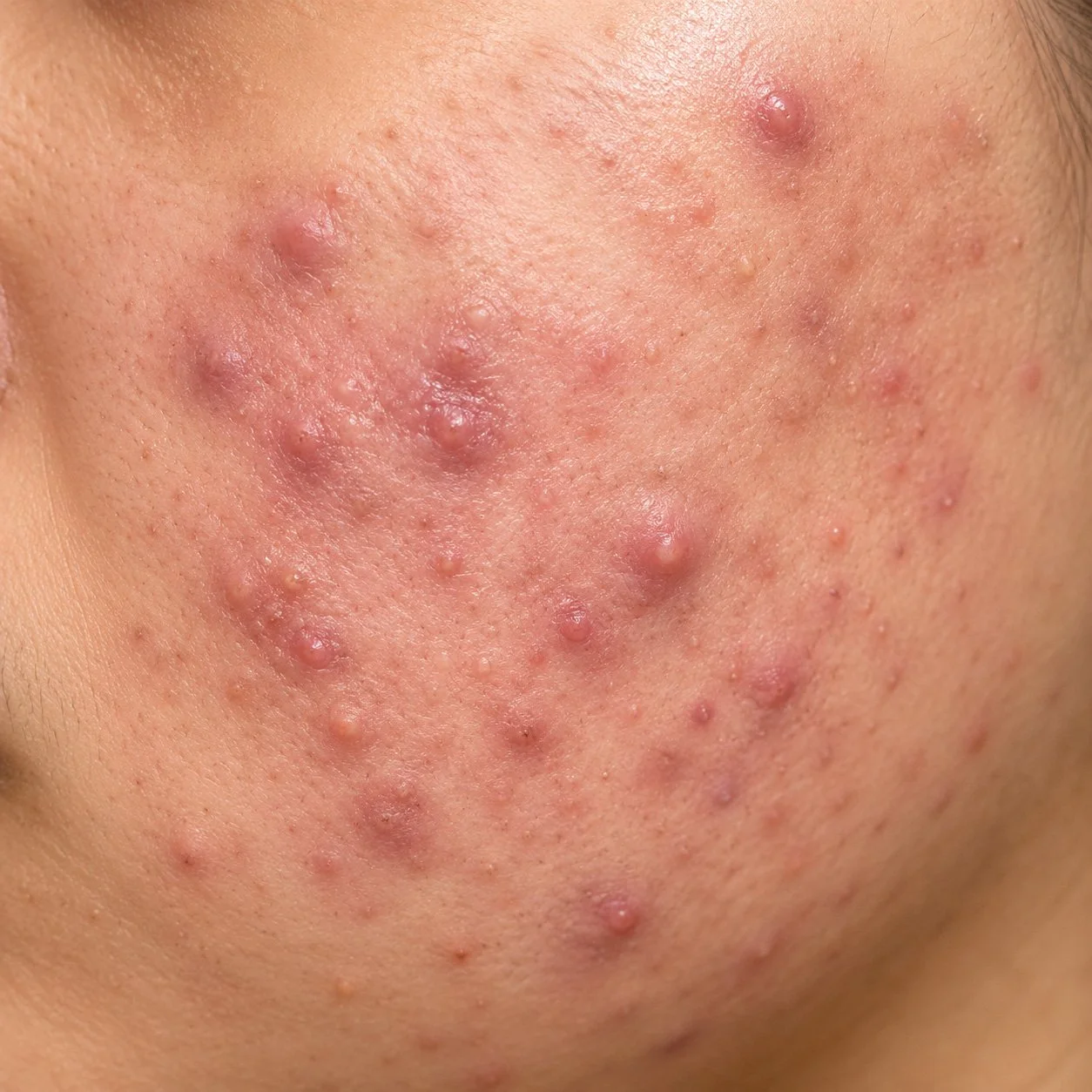
Larger, deeper inflammatory lesions that can be painful and are more likely to result in acne scarring.
Whiteheads
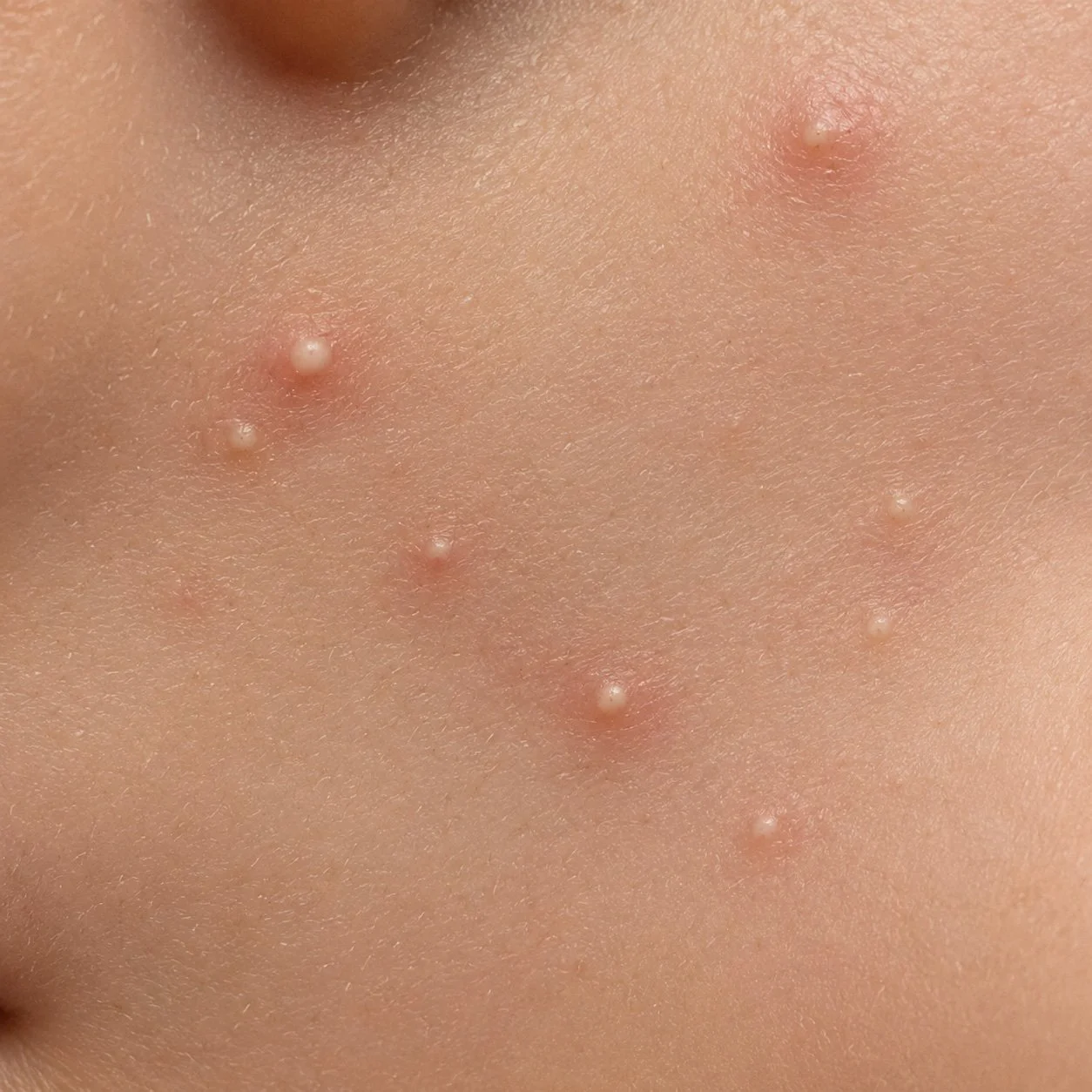
Closed clogged pores that appear as small white or flesh-coloured bumps.
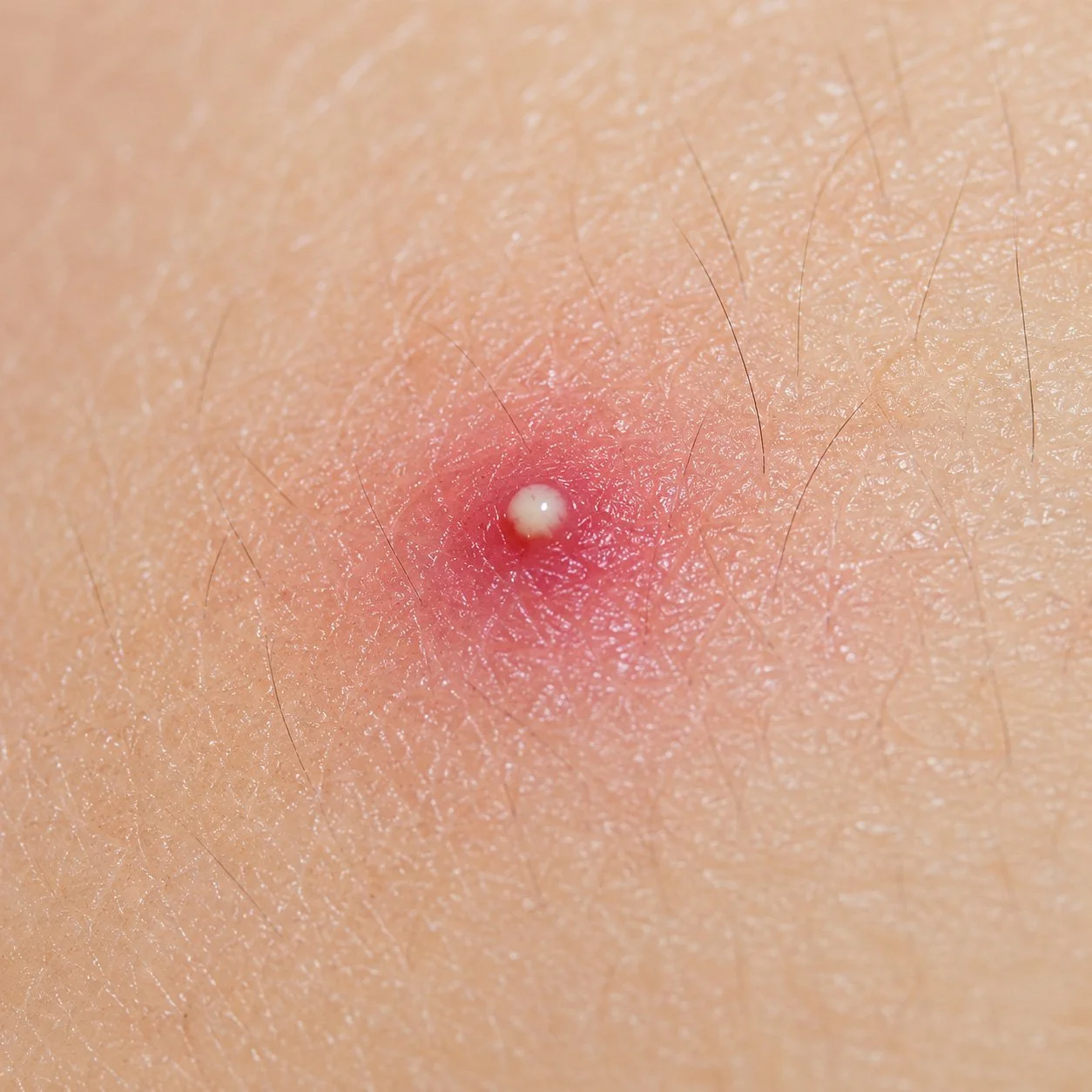
Papules
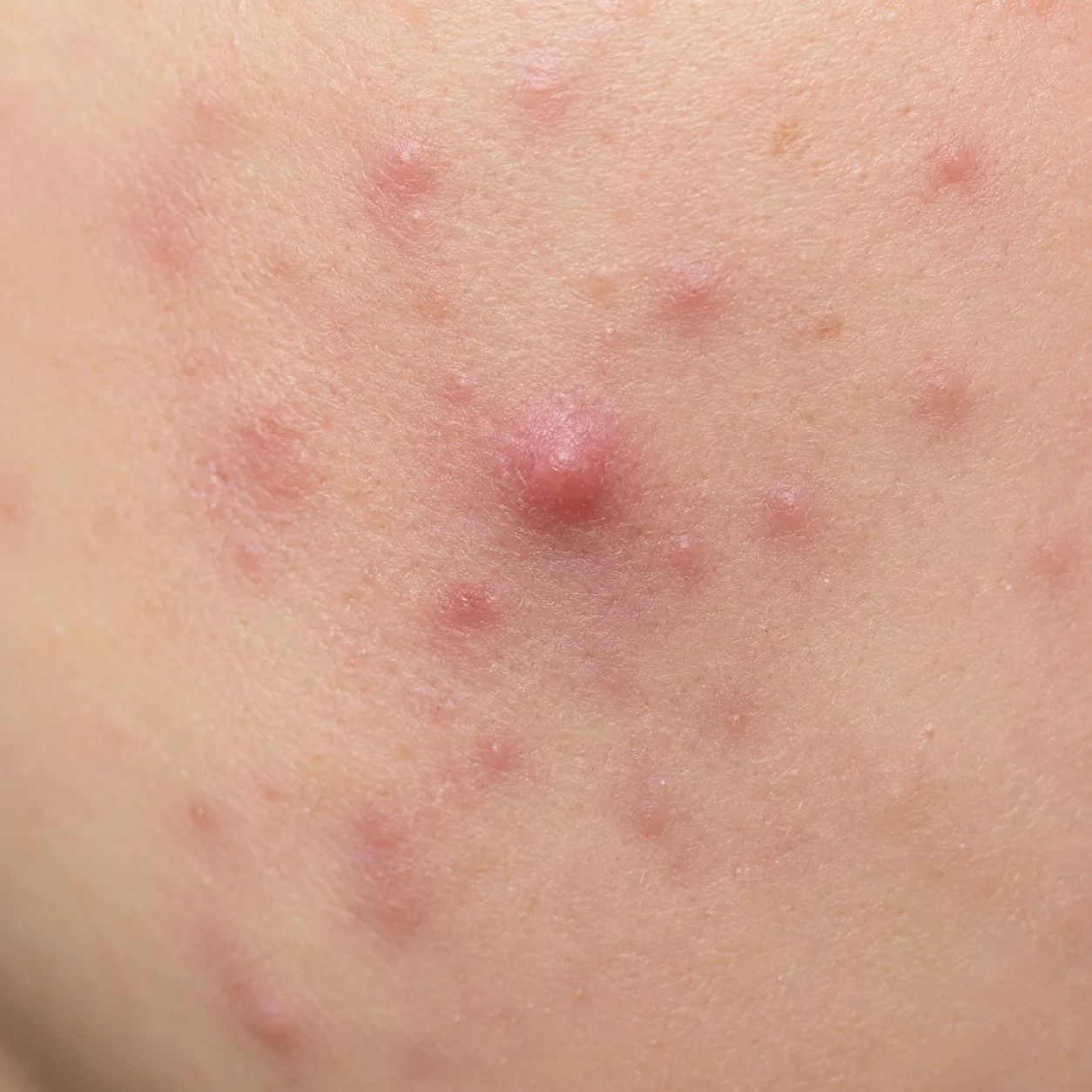
Small red, inflamed bumps that develop when pore walls become irritated
Pustules
Inflamed pimples containing visible pus
At A Glance
Treatment Approach
A Personalized Approach To Acne Management
At Rexults Clinic, we understand that not all acne is the same. Effective treatment begins with understanding the underlying causes and selecting therapies appropriate for your skin condition..

Assess
We evaluate the severity of your acne, identify contributing factors and assess the risk of future scarring.

Control
Treatments are selected to reduce excess oil production, calm inflammation and minimise acne-causing bacteria.

Clear
Congested pores, active breakouts and underlying skin concerns are addressed through targeted treatments.

Prevent
Long-term management focuses on maintaining skin health and reducing the likelihood of future breakouts and acne scars.
Recommended Treatments
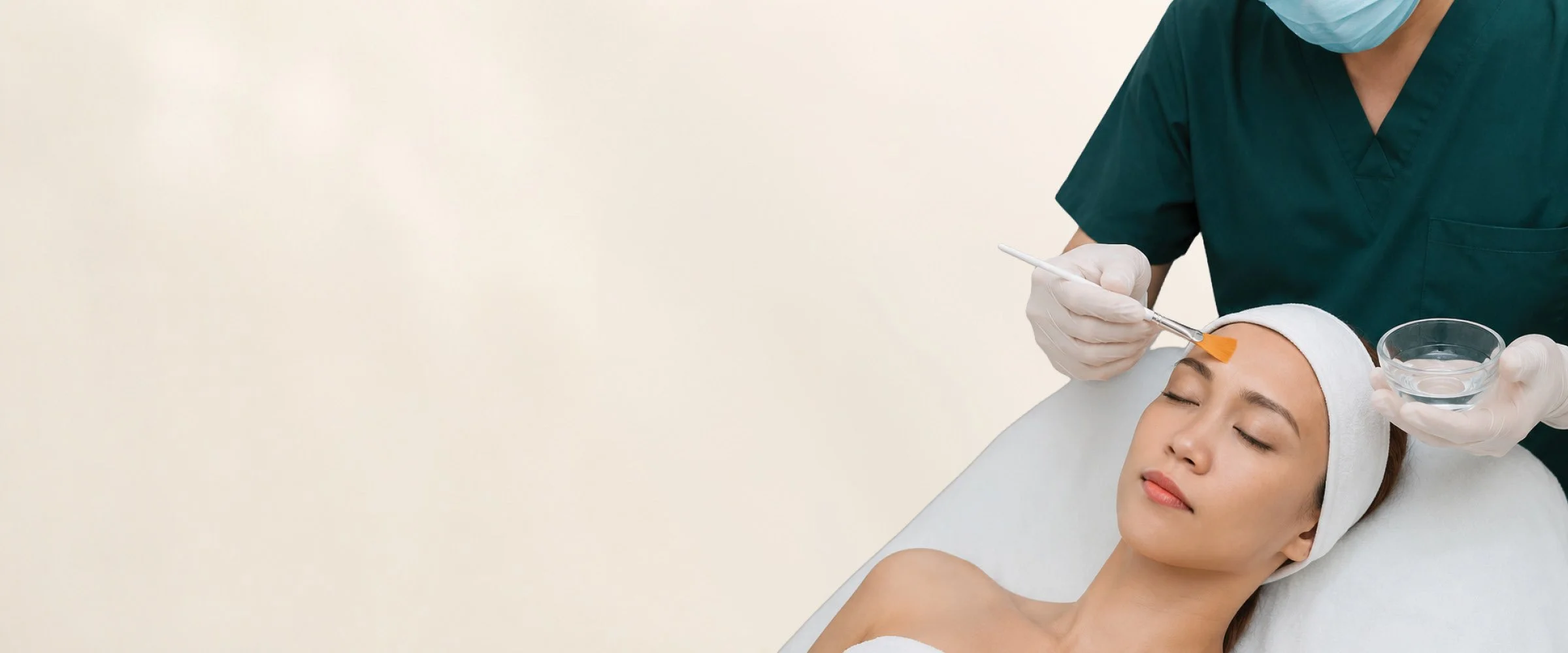
Medical Grade Peel
Medical Grade Peels help exfoliate dead skin cells from the surface of the skin, promoting healthier skin turnover and reducing congestion within the pores. They can be particularly useful for oily, acne-prone skin and may help improve overall skin clarity.
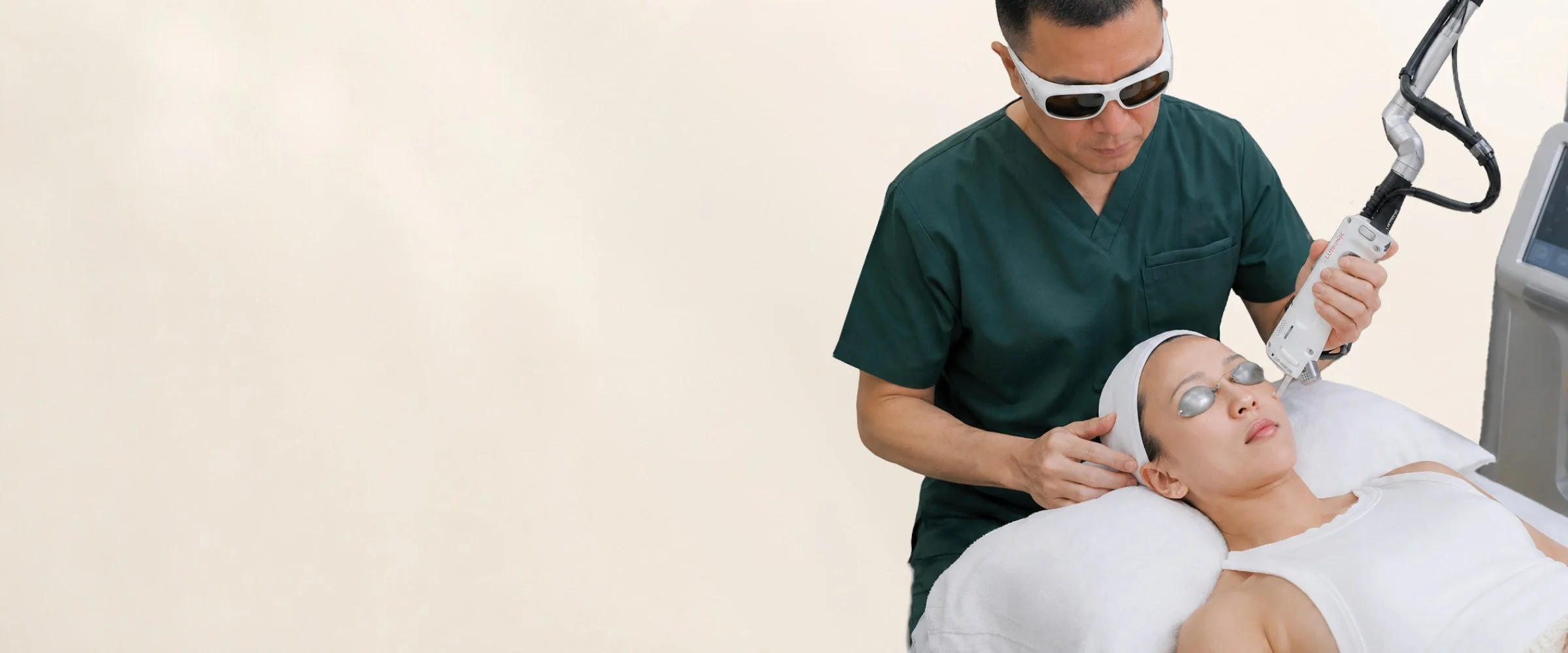
Clarity II Laser
The Clarity II Laser can help improve acne-prone skin by targeting excess oil production and supporting skin renewal. The treatment may also help improve overall skin quality while reducing inflammation associated with active breakouts
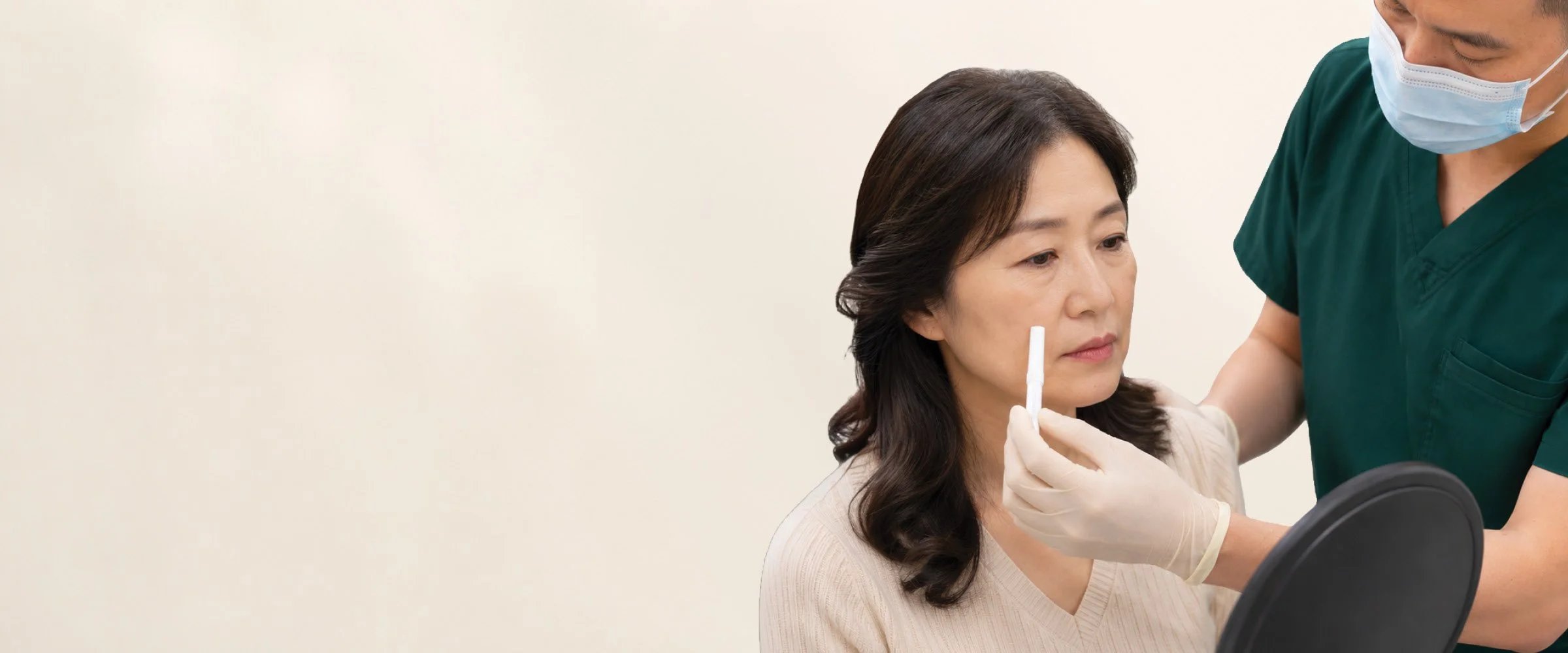
Radiowave Surgery
Radiowave Surgery may be recommended for certain forms of inflammatory or cystic acne. The procedure allows targeted treatment of deeper acne lesions while minimising impact on surrounding tissue.

Illuminate Therapy
Illuminate Therapy uses medical-grade LED technology to support skin healing and recovery. Specific wavelengths may help reduce inflammation, calm redness, and support acne management while promoting healthier skin function.
Frequently Asked Questions
Clinical Perspective
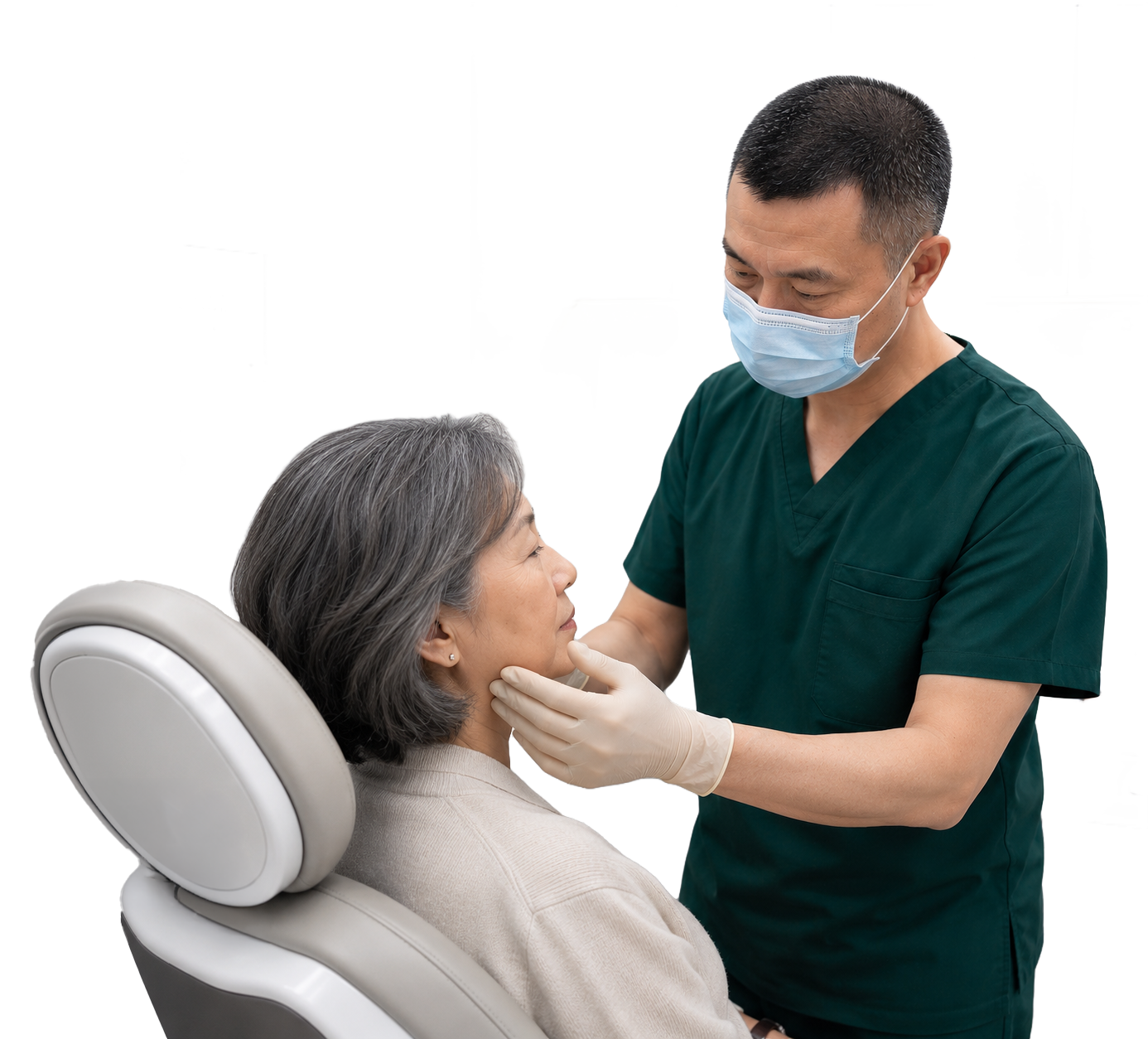
Every patient presents with unique concerns, anatomy, skin quality and treatment goals. At Rexults, every recommendation begins with a comprehensive medical assessment, allowing us to develop a personalised treatment plan that addresses the underlying cause of the concern rather than simply treating its visible signs. Depending on your individual needs, treatment may involve a single procedure or a carefully tailored combination approach to achieve safe, natural and long-lasting results.
-
Acne develops due to a combination of excess oil production, clogged pores, bacterial activity, and inflammation. Hormonal fluctuations often play a significant role.
-
Yes. Adult acne is common and may be linked to hormonal changes, stress, lifestyle factors, or genetics. Treatment can be tailored according to the underlying causes and severity.
-
Some cases improve with time, particularly during adolescence. However, untreated acne can persist and may increase the risk of acne scarring. Early treatment is often beneficial.
-
The timeline varies depending on the severity of acne and the treatments used. Many patients begin noticing improvement within several weeks, although long-term control often requires ongoing management and consistency.
-
Reducing inflammation early and avoiding picking or squeezing active acne lesions may help reduce the risk of permanent acne scarring.