

CONCERNS
Lines & Wrinkles
Lines and wrinkles are among the most visible signs of skin ageing. They develop as collagen, elastin and skin hydration gradually decline over time, while repeated facial expressions and environmental factors contribute to the formation of permanent creases. Although a natural part of ageing, wrinkles can make the face appear older, tired or less refreshed than it feels.
Understanding Lines & Wrinkles
Why Do Wrinkles Form?
Wrinkles develop through a combination of intrinsic ageing and external influences that gradually affect the skin's structure and elasticity.
Repeated Facial Expressions
Everyday movements such as smiling, frowning and squinting create dynamic lines. Over time, these lines may become visible even when the face is at rest.
Collagen & Elastin Loss
As collagen and elastin production decline with age, the skin becomes thinner, less elastic and less able to resist creasing.
Sun Exposure
Ultraviolet (UV) radiation accelerates collagen breakdown and contributes significantly to premature skin ageing.
Skin Dehydration
Reduced hydration may make fine lines appear more prominent and affect overall skin quality.
Volume Loss
Loss of facial support structures can contribute to deeper folds and static wrinkles, particularly around the cheeks and mouth.
Common Types Of Wrinkles
Dynamic Wrinkles
Lines that appear during facial movement.
Examples include:
Forehead lines
Frown lines
Crow's feet
Static Wrinkles
Wrinkles that remain visible even when the face is relaxed.
Examples include:
Deep forehead lines
Smile lines
Marionette lines
Neck lines
Fine Lines
Early, superficial wrinkles often associated with dehydration and early collagen loss.
At A Glance
Treatment Approach
Our Rexults Approach To Lines & Wrinkles
Not all wrinkles are caused by the same factors. Successful treatment begins by identifying whether the concern is related to muscle activity, collagen loss, skin quality or volume depletion

Assess
We assess the location, severity and underlying causes of fine lines and wrinkles, including collagen loss, skin quality and facial movement patterns.

Personalise
A personalised treatment plan is developed to address your unique ageing concerns, combining collagen stimulation, skin rejuvenation and wrinkle-softening strategies where appropriate.

Rejuvenate
Advanced treatments stimulate collagen production, improve skin quality and soften visible lines, helping restore smoother, firmer and healthier-looking skin.

Age Well
With continued collagen remodelling and maintenance, skin retains a smoother appearance, improved elasticity and a naturally youthful look that ages gracefully over time.
Recommended Treatments

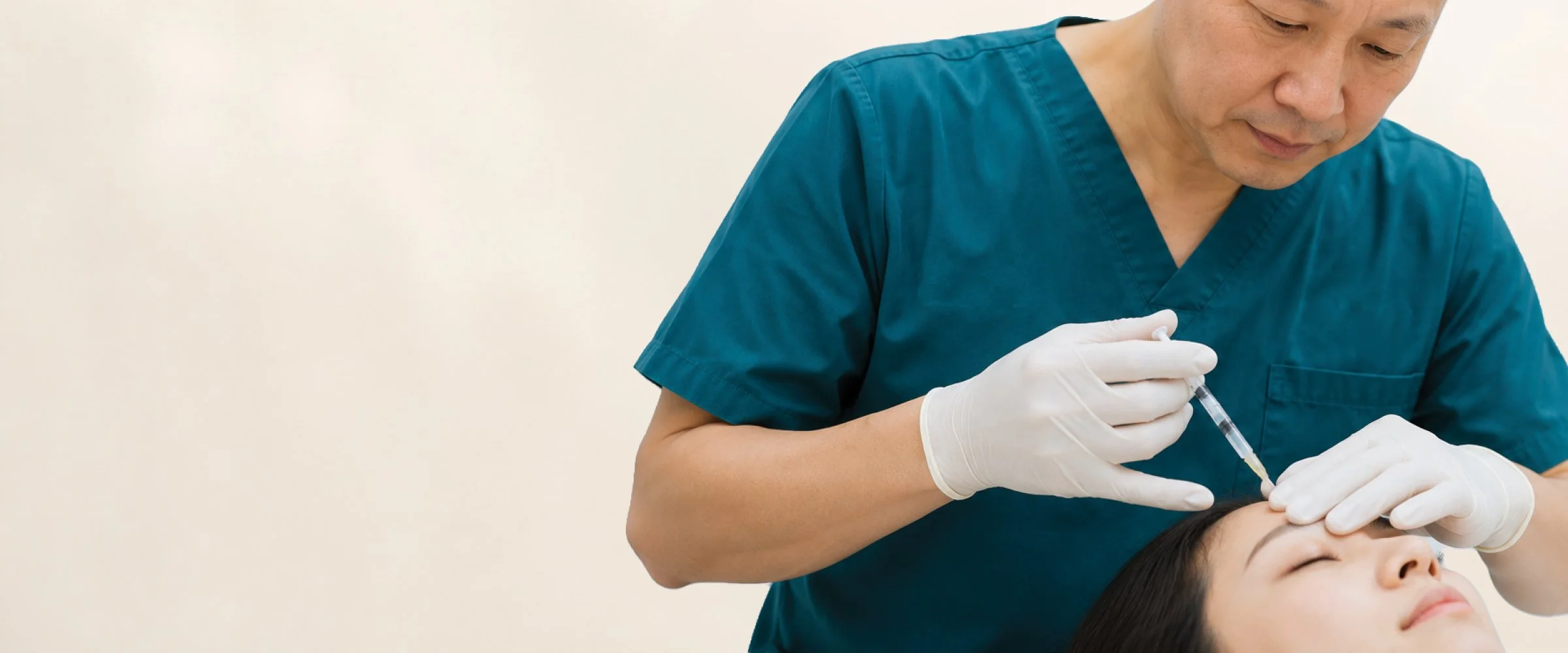
Botulinum Toxin
Botulinum Toxin works by temporarily relaxing targeted facial muscles responsible for dynamic wrinkles. It is commonly used to soften forehead lines, frown lines and crow's feet while maintaining natural facial expression.
Suitable For
Forehead lines
Frown lines
Crow's feet
Dynamic wrinkles

Ultherapy®
Ultherapy® uses focused ultrasound energy to stimulate collagen production deep within the skin, helping lift and tighten areas affected by age-related skin laxity.
Suitable For
Mild to moderate skin laxity
Jawline definition
Neck ageing
Lower face rejuvenation
Biostimulators
Biostimulators encourage the body's natural collagen production, helping improve skin firmness and soften age-related lines over time.
Suitable For
Static wrinkles
Ageing skin
Collagen depletion
Skin laxity

ReviFrax®
ReviFrax® combines fractional laser technology with collagen stimulation to improve skin texture, support skin renewal and soften the appearance of fine lines.
Suitable For
Fine lines
Photo-aged skin
Uneven texture
Skin rejuvenation

Skin Boosters
Skin Boosters deliver hydrating and regenerative ingredients directly into the skin, helping improve skin texture, elasticity and fine lines.
Suitable For
Fine lines
Crepey skin
Dehydrated skin
Early signs of ageing
Ultraformer MPT
Advanced focused ultrasound energy to stimulate collagen production deep beneath the skin's surface.
Frequently Asked Questions

Clinical Perspective
Lines and wrinkles develop through a combination of natural ageing, repeated facial movements, sun exposure and the gradual decline of collagen and elastin. Understanding whether these changes are dynamic, structural or skin-related allows us to personalise treatment and achieve natural-looking, long-term rejuvenation.
-
Fine lines are typically shallow and appear earlier in the ageing process, while wrinkles are deeper and often result from a combination of collagen loss, facial movement and volume depletion
-
This varies between individuals, but many people begin noticing fine lines in their late twenties or thirties, with deeper wrinkles developing gradually over time
-
While ageing cannot be prevented, sun protection, healthy skincare habits and early intervention may help slow the development of visible wrinkles.
-
Forehead lines are commonly caused by repeated facial movement combined with gradual collagen loss.
-
The ideal treatment depends on the type of wrinkle. Dynamic wrinkles often respond well to Botulinum Toxin, while static wrinkles may benefit from collagen-stimulating and regenerative treatments.
-
Yes. As facial volume decreases, skin support structures weaken, which can contribute to deeper folds and more prominent wrinkles. This is why some patients benefit from a combination approach that addresses both concerns.