

Facelift
Restore Facial Contours Affected By Ageing
A Facelift is a surgical procedure performed to address signs of ageing in the face and neck, including skin laxity, deep folds and sagging tissues. The procedure involves repositioning underlying facial structures and removing or tightening excess skin to improve facial contours.
What Is Facelift?
A Facelift is designed to improve visible signs of facial ageing by restoring facial contours affected by skin laxity and tissue descent. During the procedure, the underlying facial tissues are repositioned before excess skin is removed or tightened, creating a smoother and more refreshed facial appearance. The procedure may also improve definition along the cheeks, jawline and neck.
TREATMENT TYPE
Facial Rejuvenation Surgery

DURATION
Approximately 2–4 Hours

SUITABILITY
Moderate To Advanced Facial Ageing

DOWNTIME
Approximately 2–3 Weeks

COMFORT LEVEL
General Anaesthesia or Local Anaesthesia With Sedation

ADRESSES
Facial Sagging, Jowls, Deep Folds & Skin Laxity

What Concerns Can A Facelift Help With?
Sagging Cheeks & Jawline
Improves facial contours affected by sagging tissues.
Deep Nasolabial Folds
Softens deep folds that develop between the nose and mouth.
Jowls
Improves loss of facial definition caused by ageing.
Loose Skin Of The Lower Face
Removes or tightens excess skin affecting the lower face.
Loose Neck Skin
Addresses age-related skin laxity affecting the neck.
Loss Of Facial Definition
Restores smoother facial contours by repositioning underlying tissues.
How a Facelift Works
A Facelift improves facial contours by repositioning underlying facial structures and removing or tightening excess skin. This helps restore smoother facial contours while addressing tissue laxity associated with ageing
What to Expect
-
Your surgeon assesses your facial anatomy, skin laxity and treatment goals to determine whether a Facelift is appropriate.
-
The procedure is typically performed under local anaesthesia with sedation or general anaesthesia.
-
Incisions are usually made around the hairline and ears. The underlying facial tissues may be repositioned before excess skin is removed and the incisions are closed.
-
Swelling, bruising and mild discomfort are common and may last approximately two to three weeks. Patients are generally advised to avoid strenuous activities during the early recovery period.
-
Your surgeon will monitor your healing and provide guidance throughout your recovery to support the best possible outcome.
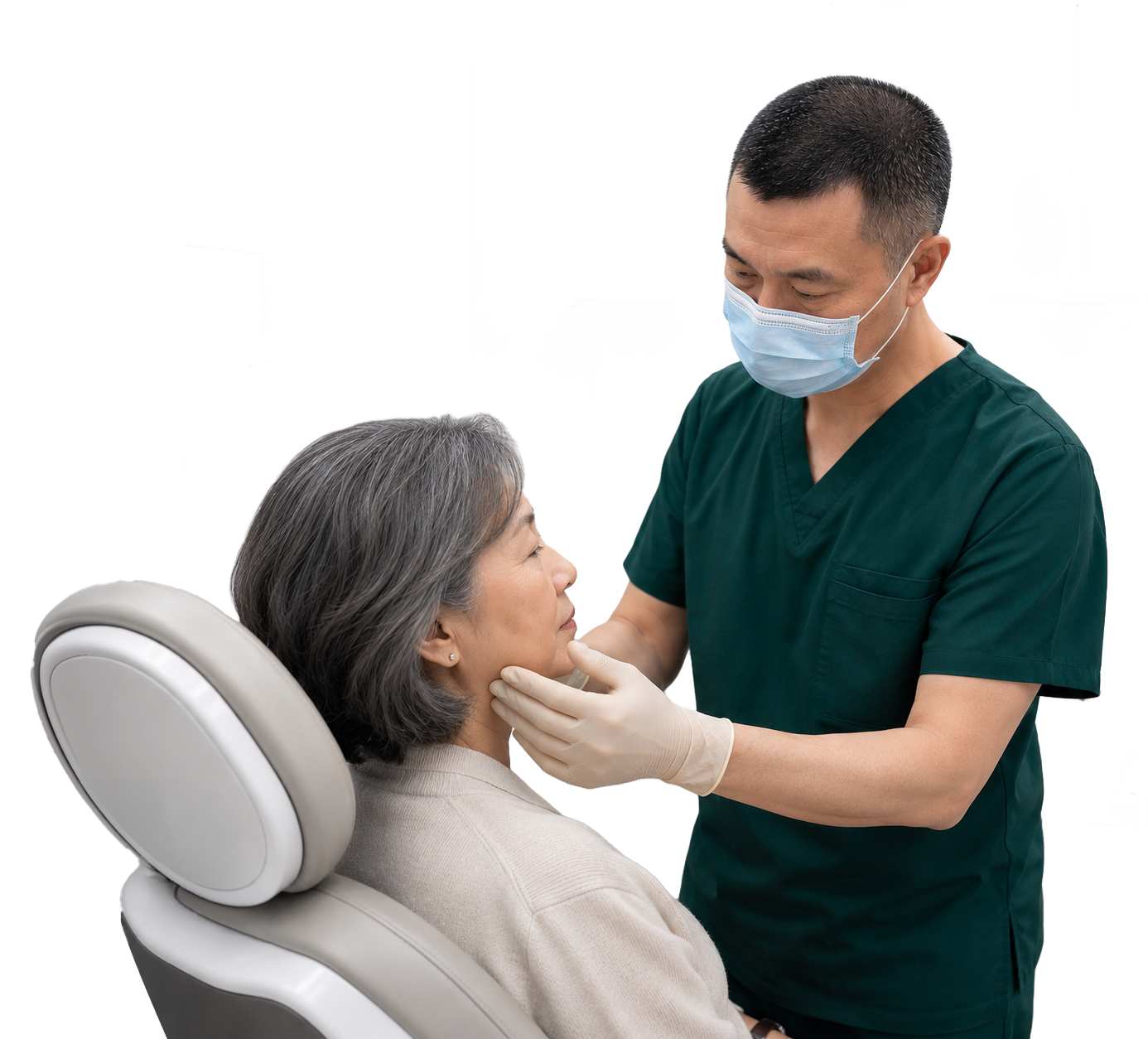
MEET THE DOCTOR
Not Sure If A Facelift Is Right For You?
Every face ages differently. During your consultation, our doctors will assess your facial anatomy, degree of skin laxity and treatment goals before recommending a personalised treatment plan. Depending on your individual needs, a Facelift may be recommended on its own or alongside other facial rejuvenation procedures.