
CONCERNS
Hair Loss
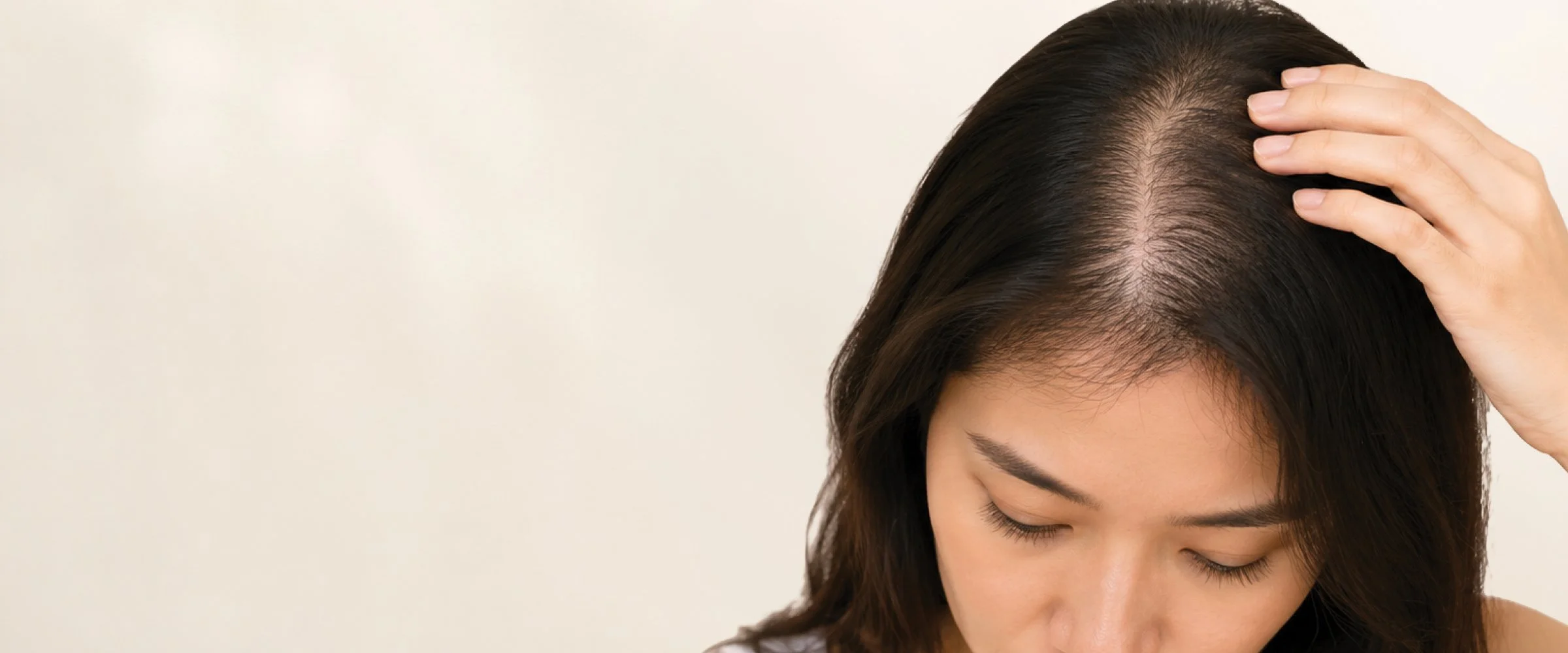
Hair loss is a common condition that affects both men and women and may occur gradually or suddenly depending on the underlying cause. While some daily hair shedding is normal, excessive hair fall, thinning hair or reduced hair density may indicate disruption of the hair growth cycle. Factors such as genetics, hormonal changes, stress, ageing, nutritional deficiencies and scalp health can all contribute to hair loss. Early assessment and intervention can help support follicular health, improve scalp condition and promote stronger, healthier hair growth.
Understanding Hair Loss
Hair loss occurs when the normal hair growth cycle becomes disrupted, resulting in excessive shedding, thinning hair or reduced hair density. Hair follicles naturally cycle through periods of growth, transition and rest. When this cycle is altered, hair may shed faster than it can regrow.
Hair loss can affect the scalp diffusely or occur in specific areas depending on the cause.
Normal hair shedding: Approximately 50–100 hairs per day. The scalp has approximately 100,000 hair follicles, and daily hair shedding is a natural part of the hair growth cycle.
Common Causes
Genetics
Inherited hair loss is one of the most common causes of progressive thinning in both men and women.
Hormonal Changes
Changes in hormone levels may affect hair growth and contribute to thinning or shedding.
Stress
Physical or emotional stress can disrupt the hair growth cycle and trigger excessive shedding.
Ageing
Hair follicles may become less active with age, resulting in thinner and finer hair.
Scalp Health
Poor scalp circulation, inflammation and scalp conditions may affect follicular function.
Nutritional Factors
Deficiencies in certain nutrients may impact healthy hair growth.
Common Signs
Increased Hair Shedding
More hair may be noticed on pillows, in the shower or during brushing.
Reduced Hair Density
The scalp may become more visible as hair density decreases.
Thinning Hair
Individual hair strands may become finer and weaker over time.
Receding Hairline
Hair loss may occur around the temples and frontal scalp.
Widening Part Line
Women may notice widening through the central parting.
Slower Hair Growth
Hair may appear less full and take longer to grow.
At-a-Glance
Treatment Approach
The Rexults Approach to Hair Loss
Hair loss can arise from multiple factors, including genetics, hormones, stress and scalp health. At Rexults, treatment focuses on supporting scalp health, improving follicular activity and creating an environment that encourages healthier hair growth over time.

Assess
We evaluate the severity of your acne, identify contributing factors and assess the risk of future scarring.

Control
Treatments are selected to reduce excess oil production, calm inflammation and minimise acne-causing bacteria.

Clear
Congested pores, active breakouts and underlying skin concerns are addressed through targeted treatments.

Prevent
Long-term management focuses on maintaining skin health and reducing the likelihood of future breakouts and acne scars.
Recommended Treatments
Advanced Hair Restoration Program
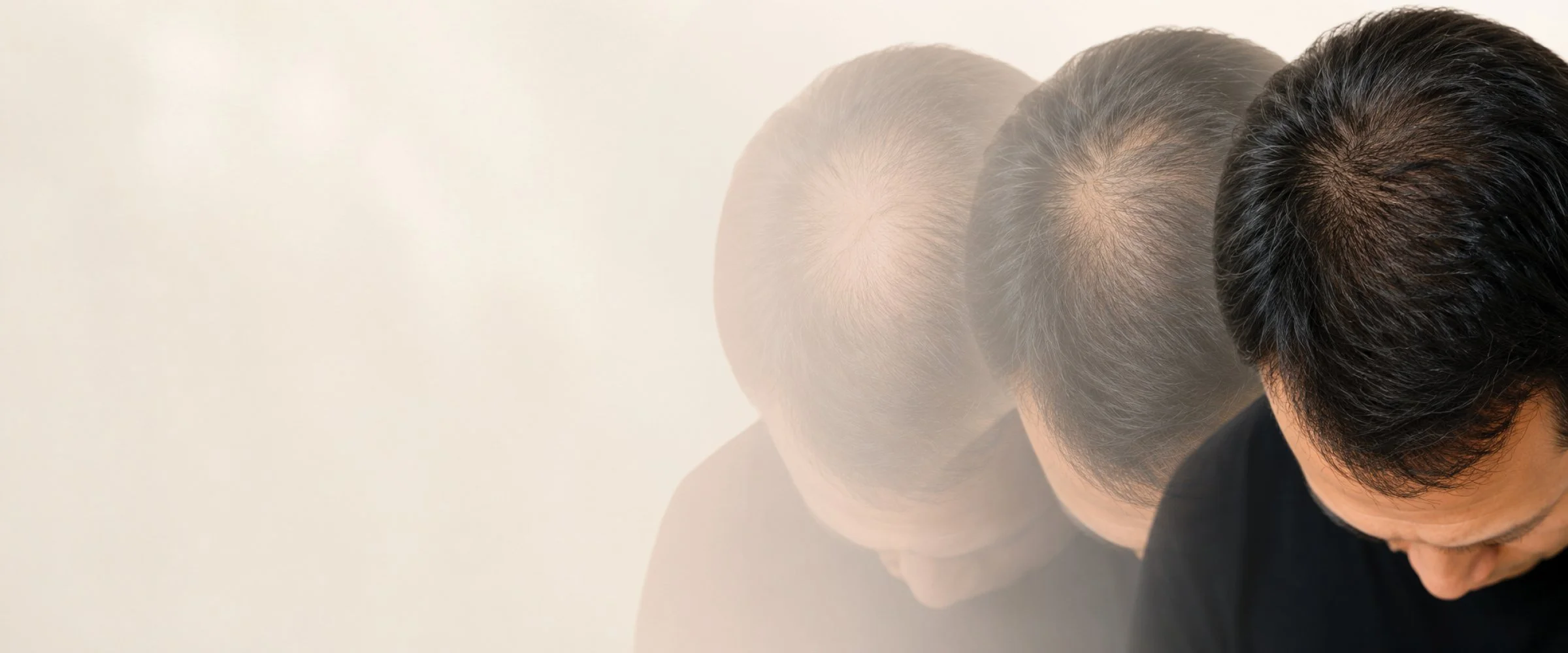
The Advanced Hair Restoration Program is a medical-grade, non-invasive treatment designed to address hair thinning, excessive shedding and early-stage hair loss. The programme combines regenerative bio-signalling, precision delivery technologies and light-based therapies to support follicular activity and scalp health.
The treatment incorporates:
Secretome Infusion
Precision Micro-Infusion Technology
Iontophoresis Enhancement
Low-Level Light Therapy (LLLT)
Illuminate Therapy (Red LED)
Suitable For
Early hair thinning
Excessive hair shedding
Weak or fragile hair
Post-stress hair loss
Hormonal hair loss
Preventative hair maintenance
Potential Benefits
Supports scalp health
Improves hair density
Enhances hair thickness
Strengthens existing hair
Supports healthier hair growth cycles
Improves scalp circulation
Frequently Asked Questions
Clinical Perspective
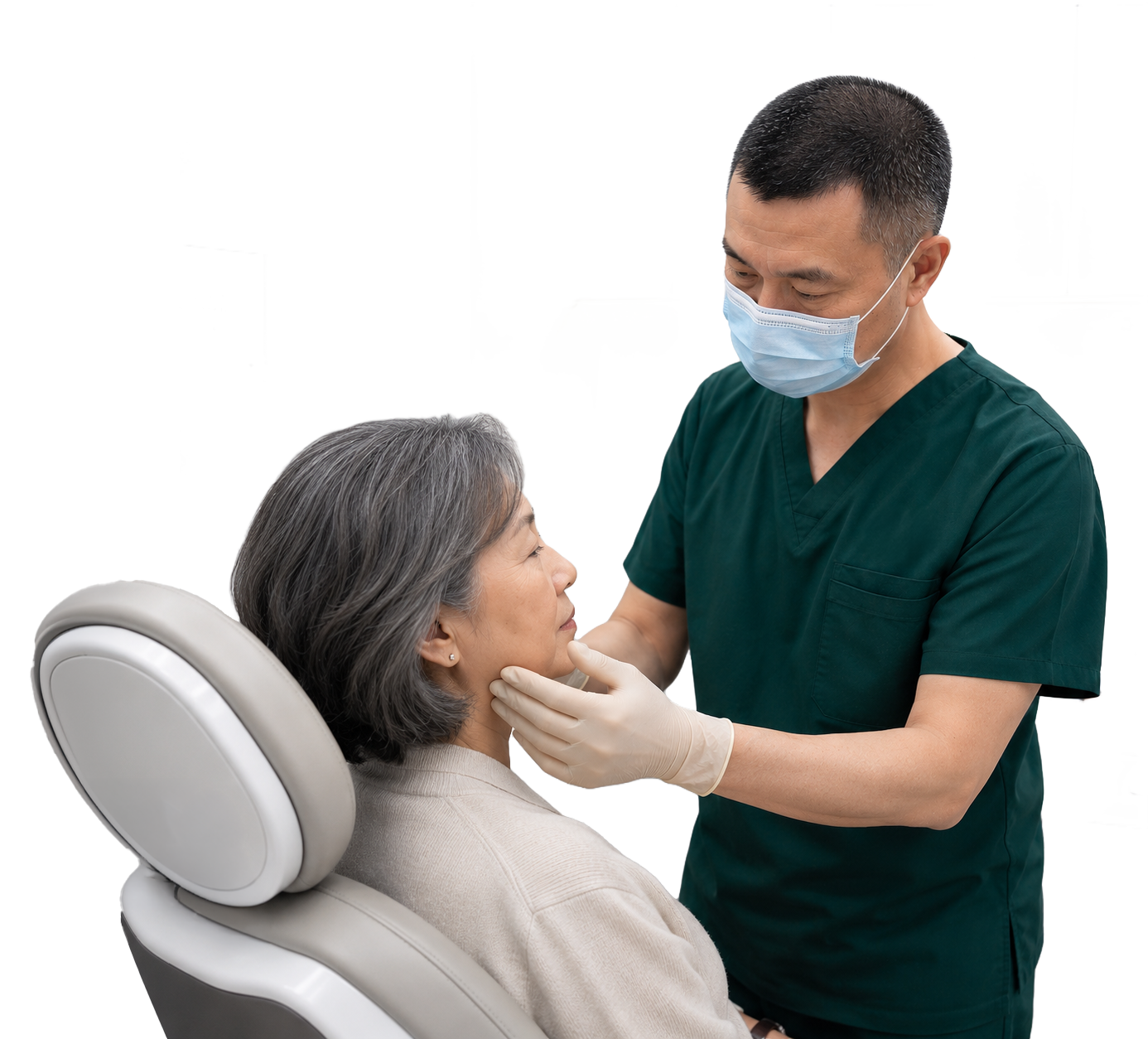
Hair loss is rarely caused by a single factor. Genetics, hormones, stress, ageing and scalp health can all influence the hair growth cycle. Identifying the underlying cause early allows us to recommend the most appropriate treatment strategy to support healthier, stronger hair growth.
-
Yes. Most people naturally shed between 50 and 100 hairs daily. Excessive shedding beyond this may warrant further assessment.
-
You may wish to seek evaluation if you notice increasing hair shedding, visible scalp exposure, a widening part line or progressive thinning.
-
Yes. Physical and emotional stress can disrupt the hair growth cycle and contribute to temporary shedding.
-
The answer depends on the underlying cause. Some forms of hair loss respond well to early intervention, while others may require ongoing management.
-
This varies depending on the severity of hair loss and treatment goals. A course of treatments is typically recommended before transitioning to maintenance sessions
-
Yes. The programme is designed to support hair and scalp health for both male and female patients experiencing hair thinning or hair loss.