
CONCERNS
Muscle Weakness
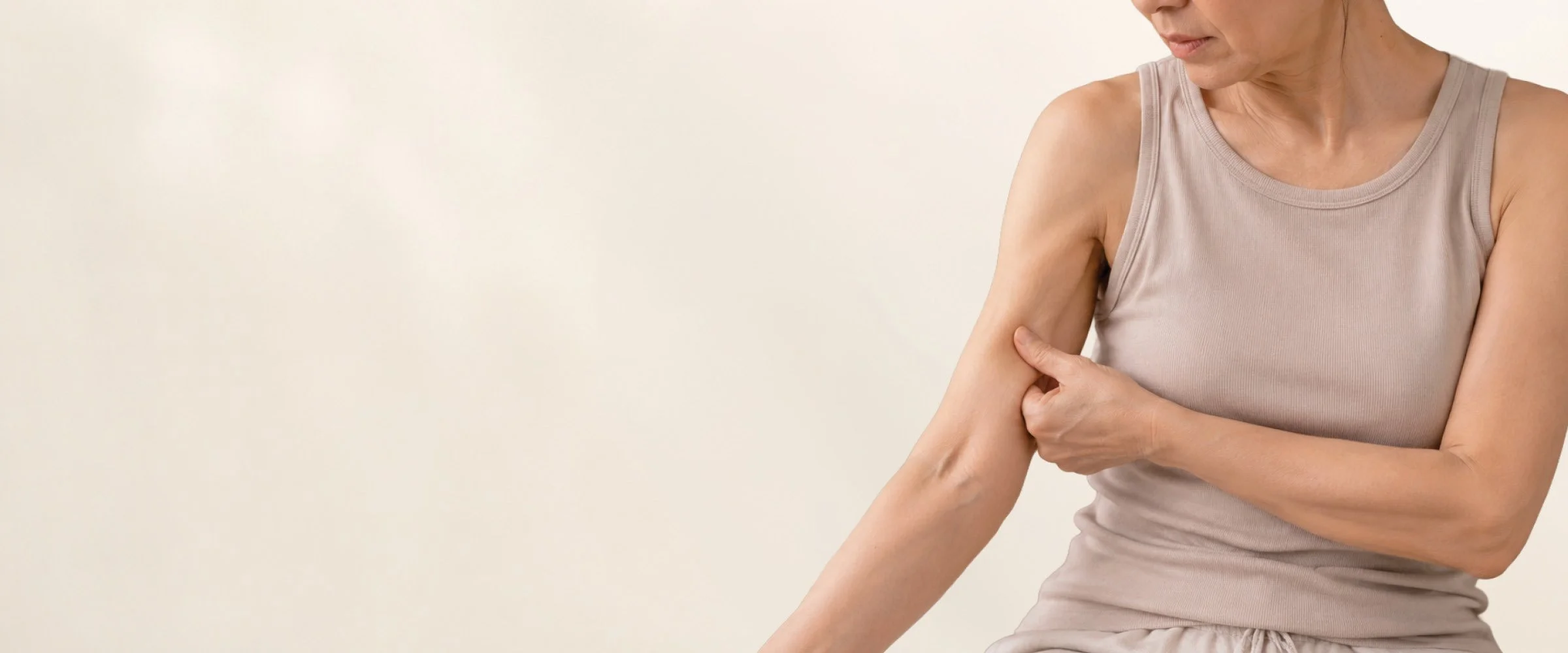
Muscle weakness and sarcopenia refer to the gradual loss of muscle mass, strength and physical function that can occur with ageing, inactivity, illness or recovery from medical conditions. Reduced muscle strength can affect mobility, balance, posture and overall quality of life. Early intervention focuses on maintaining muscle function, supporting physical resilience and preserving independence through structured muscle conditioning and functional support
Understanding Muscle Weakness & Sarcopenia
What Is Sarcopenia?
Sarcopenia is the progressive loss of muscle mass and strength that commonly occurs with ageing.
Over time, muscles may become smaller, weaker and less responsive, making everyday activities more challenging. The condition can affect mobility, stability, balance and overall physical performance.
What Causes Muscle Weakness?
Muscle weakness can develop due to a variety of factors including:
Ageing
Natural age-related changes contribute to a gradual decline in muscle mass and strength.
Physical Inactivity
Reduced physical activity can accelerate muscle loss and deconditioning.
Recovery From Illness
Periods of illness, injury or prolonged inactivity may result in reduced muscle function.
Post-Surgical Recovery
Temporary weakness may occur following surgery or extended periods of reduced mobility.
Neuromuscular Deconditioning
Reduced communication between nerves and muscles may affect strength and movement efficiency.
Common Signs
Reduced Strength
Daily activities may require more effort than before.
Loss Of Muscle Tone
Muscles may appear smaller or less defined.
Reduced Endurance
Physical activities become more tiring.
Balance Concerns
Reduced strength can affect stability and coordination.
Functional Decline
Activities such as climbing stairs, carrying groceries or standing from a seated position may become more difficult.
At-a-Glance
Treatment Approach
Our Approach To Muscle Strength & Functional Ageing
At Rexults, the focus is not simply on muscle appearance but on supporting how the body functions, moves and maintains itself over time. Treatment aims to strengthen foundational support structures, improve muscle activation and encourage long-term physical resilience.

Assess
We assess your muscle strength, body composition and functional performance to identify areas of weakness, reduced tone and structural support.

Personalise
A personalised reconditioning programme is developed based on your strength, activity level and long-term functional goals.

Strengthen
Tri-Modal Muscle & Structural Reconditioning Therapy activates deep muscle fibres, improves neuromuscular function and supports tissue conditioning to rebuild strength and muscle tone.

Restore
As muscle strength and structural support improve, everyday movement becomes more efficient, posture is enhanced and long-term functional resilience is restored.
Recommended Treatments
Tri-Modal Muscle & Structural Reconditioning Therapy
Tri-Modal Muscle & Structural Reconditioning Therapy is a non-invasive programme that combines electromagnetic muscle activation, neuromuscular stimulation and radiofrequency tissue conditioning. The treatment is designed to strengthen muscles, improve foundational support structures and enhance overall functional performance. Rather than focusing on surface contouring, the programme works deeper to support muscle function, movement and long-term physical resilience.
Potential Benefits
Supports muscle strength
Improves muscle recruitment
Enhances endurance and conditioning
Supports pelvic floor function
Encourages circulation and lymphatic flow
Supports healthy ageing and mobility
Suitable For
Age-related muscle loss
Early sarcopenia
Physical deconditioning
Post-illness recovery
Muscle weakness
Individuals seeking healthy ageing support
Frequently Asked Questions
Clinical Perspective
Every patient presents with unique concerns, anatomy, skin quality and treatment goals. At Rexults, every recommendation begins with a comprehensive medical assessment, allowing us to develop a personalised treatment plan that addresses the underlying cause of the concern rather than simply treating its visible signs. Depending on your individual needs, treatment may involve a single procedure or a carefully tailored combination approach to achieve safe, natural and long-lasting results.

-
Sarcopenia refers to the age-related loss of muscle mass, strength and physical performance.
-
Some decline in muscle mass occurs naturally with age, but maintaining muscle activity and conditioning can help support long-term function.
-
Yes. Illness, surgery and prolonged inactivity can contribute to temporary muscle loss and deconditioning.
-
No. Physical activity remains important for long-term health. The treatment is designed to support muscle activation, conditioning and functional strength as part of a broader wellness strategy.
-
The therapy is designed to engage multiple major muscle groups while supporting neuromuscular function and tissue conditioning.
-
Individuals experiencing age-related muscle decline, reduced strength, recovery-related deconditioning or those seeking proactive healthy ageing support may benefit from assessment and treatment.