
CONCERNS
Redness & flushed skin
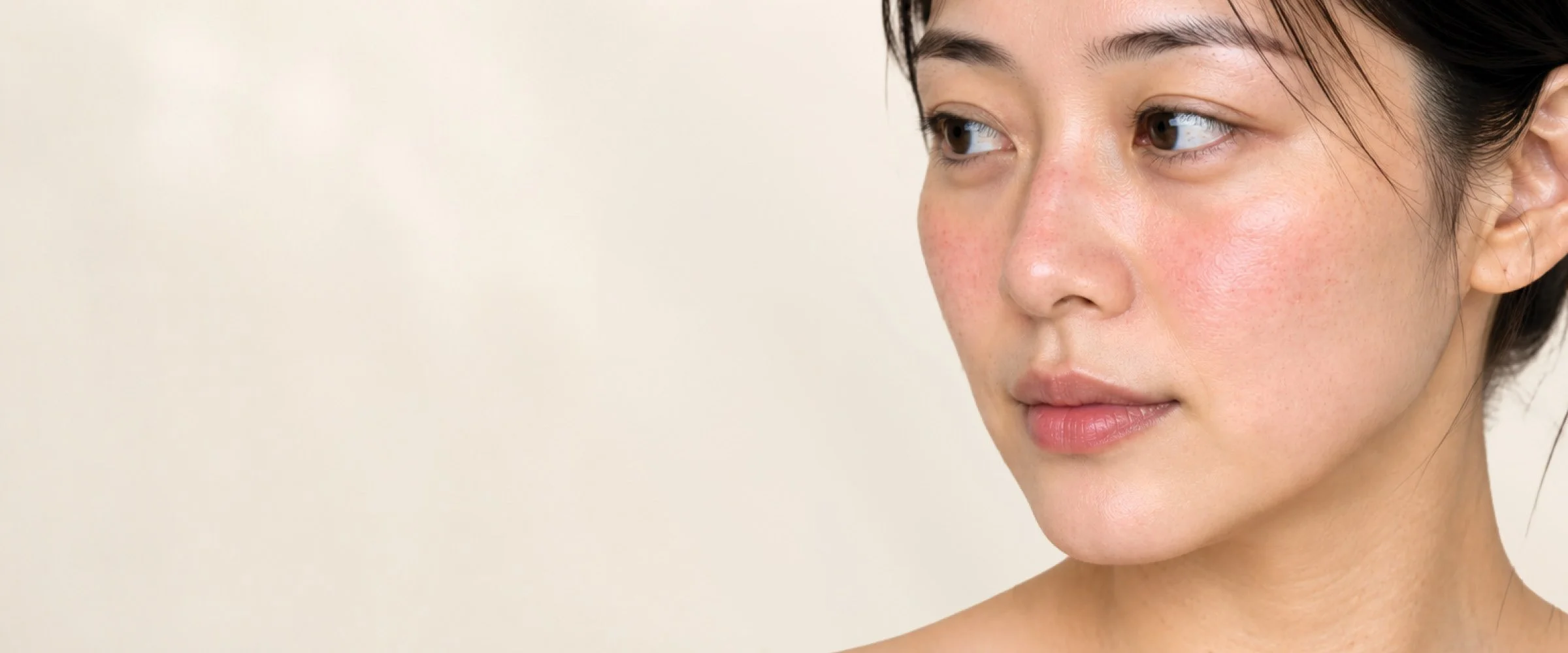
Redness and flushed skin can occur when blood vessels near the surface of the skin become more visible or reactive. The condition may appear as persistent redness, frequent flushing, or patches of redness across the cheeks, nose, forehead or chin. While redness can be temporary, some individuals experience ongoing sensitivity that affects skin comfort and complexion. Environmental triggers, sun exposure, heat, inflammation and underlying skin conditions may all contribute to redness, making the skin appear uneven, irritated or more reactive than usual.
What Is Redness & Flushed Skin?
Redness occurs when small blood vessels within the skin become dilated or more visible. This can happen temporarily in response to heat, exercise or emotions, or become more persistent due to skin sensitivity, inflammation or vascular changes.
For some individuals, redness may come and go, while others experience constant flushing or a chronically red complexion.
Common Causes
Sensitive Skin
Individuals with sensitive skin often have a weaker skin barrier, making them more prone to irritation and redness.
Sun Exposure
UV radiation can trigger inflammation and aggravate visible redness.
Broken Capillaries
Small dilated blood vessels near the skin surface may contribute to persistent facial redness.
Environmental Triggers
Heat, wind, temperature changes and humidity fluctuations may worsen flushing.
Skin Inflammation
Inflammatory skin conditions and irritation from skincare products may contribute to redness.
Lifestyle Factors
Alcohol, spicy foods, stress and exercise can trigger temporary flushing in some individuals.
Common Signs
Persistent Facial Redness
Ongoing redness across the cheeks, nose or forehead.
Frequent Flushing
Episodes of sudden facial warmth and redness.
Visible Blood Vessels
Small red capillaries may become more noticeable.
Skin Sensitivity
The skin may sting, burn or become irritated more easily.
Uneven Complexion
Redness may create an uneven skin tone and affect overall skin clarity.
At-a-Glance
Treatment Approach
The Rexults Approach To Redness & Flushed Skin
Redness is often influenced by multiple factors including vascular activity, skin sensitivity and inflammation. Treatment focuses on calming the skin, reducing visible redness and supporting long-term skin resilience.

Assess
We evaluate the type, depth and severity of your acne scars to understand the underlying structural changes within the skin.

Personalise
A tailored treatment plan is developed based on your scar pattern, skin condition, lifestyle and desired outcomes.

Regenerate
Advanced treatments help stimulate collagen remodelling, improve skin texture and support natural skin regeneration.

Renew
As collagen continues to rebuild over time, skin becomes smoother, stronger and more refined with progressive improvement.
Recommended Treatments

Dual Yellow Laser
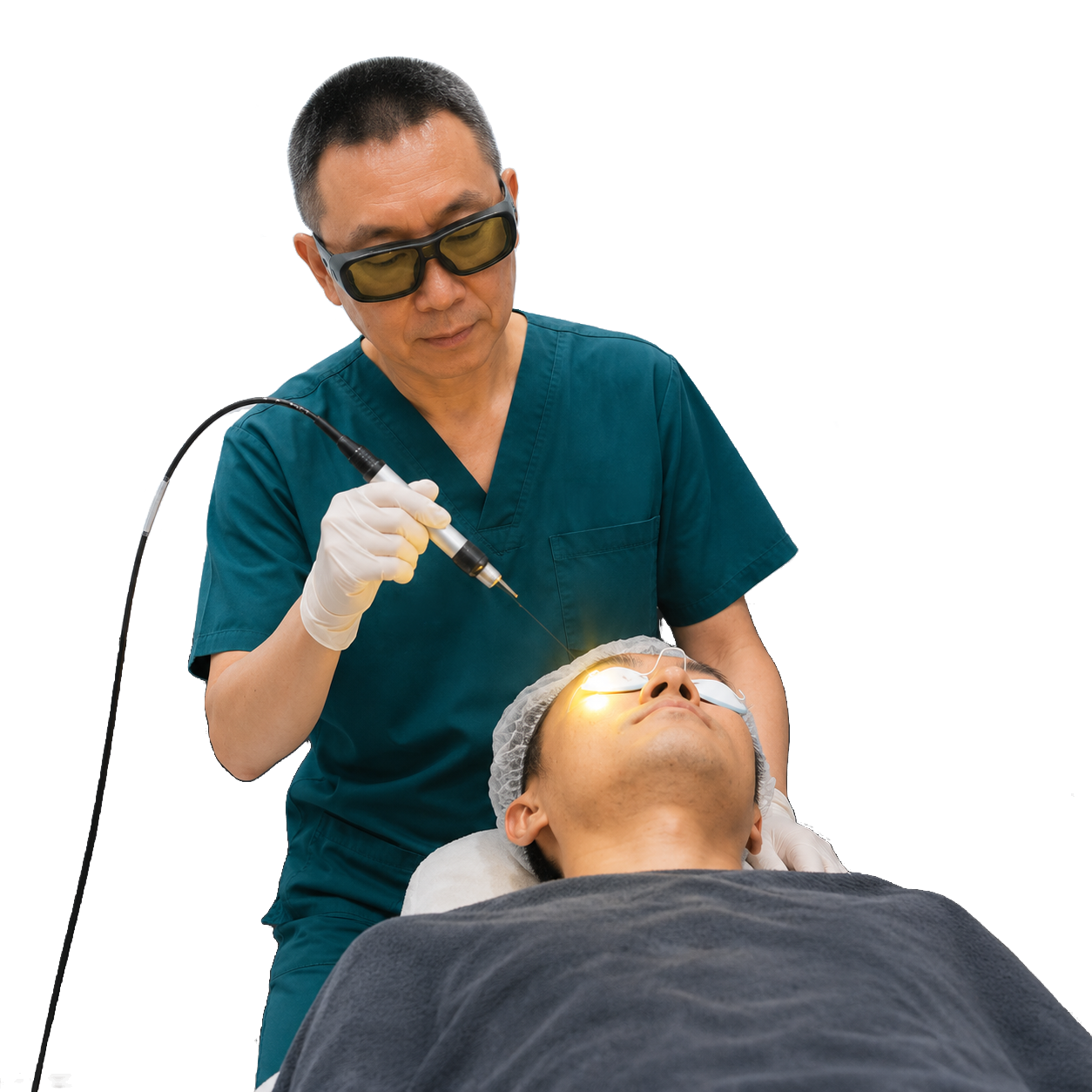
Dual Yellow Laser uses dual wavelengths to target both vascular and pigment-related concerns. It is specifically recommended by Rexults for redness and flushed skin and may help reduce visible redness while promoting a more even complexion.
Suitable For
Facial redness
Flushed skin
Visible capillaries
Uneven complexion

Illuminate Therapy
Illuminate Therapy uses medical-grade LED technology to support skin healing, calm inflammation and reduce visible redness. The treatment is non-invasive and specifically recommended for redness, flushed skin and sensitive skin concerns.
Suitable For
Sensitive skin
Inflamed skin
Post-treatment recovery
Redness and flushing
Frequently Asked Questions
Clinical Perspective
Persistent redness and facial flushing are often signs of underlying vascular activity or a weakened skin barrier. Identifying the trigger is essential, as treatments should not only reduce visible redness but also calm inflammation and strengthen the skin to minimise future flare-ups.
-
Facial flushing can be triggered by heat, exercise, emotions, alcohol, spicy foods, sun exposure and skin sensitivity. Some individuals naturally have more reactive blood vessels than others.
-
Not necessarily. Sensitive skin may cause redness, but redness can also occur due to vascular changes, inflammation or environmental triggers.
-
Yes. UV exposure can increase inflammation and aggravate existing redness, particularly in sensitive skin.
-
Small blood vessels near the surface of the skin may enlarge over time due to genetics, ageing, sun exposure or repeated flushing.
-
Results vary depending on the underlying cause. Many patients experience noticeable improvement with appropriate treatment and long-term skin management.
-
Protecting the skin from excessive heat and sun exposure, using gentle skincare products and avoiding known triggers may help reduce episodes of flushing.