
CONCERNS
Skin Laxity
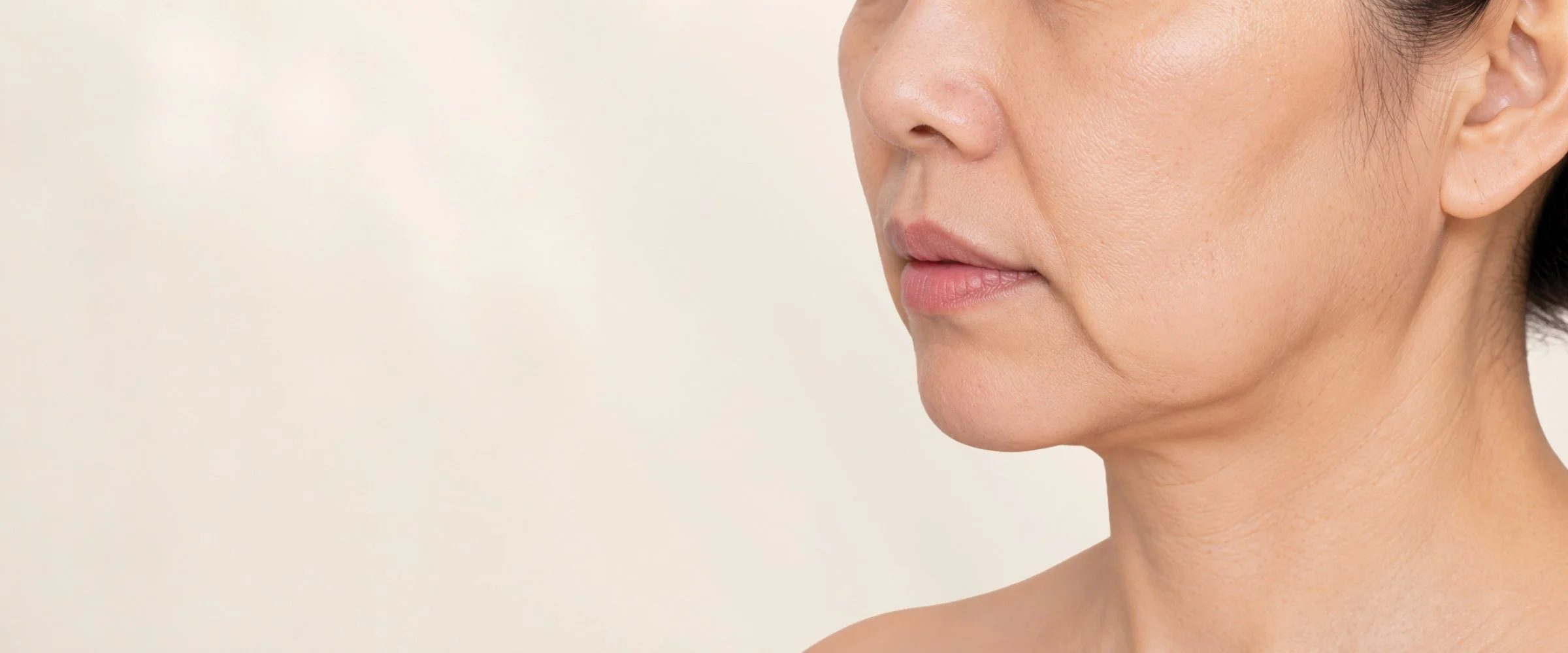
Skin laxity refers to the gradual loss of firmness and elasticity that occurs as the skin ages. As collagen, elastin and structural support decline over time, the skin becomes less able to resist gravity and movement, resulting in sagging, looseness and reduced definition. Skin laxity most commonly affects the cheeks, jawline, neck and lower face, contributing to a more tired or aged appearance.
Why Does Skin Become Loose?
Skin firmness depends on a complex support network of collagen, elastin, fat and underlying facial structures. As these support systems weaken over time, the skin gradually loses its ability to remain taut and lifted.
Collagen Loss
Collagen is responsible for providing strength and structure to the skin. As collagen production declines with age, the skin becomes thinner and less firm.
Elastin Degradation
Elastin allows the skin to stretch and return to its original shape. Reduced elastin contributes to skin looseness and sagging.
Volume Loss
Loss of facial fat and structural support can contribute to skin laxity, particularly in the mid-face and lower face.
Sun Damage
Long-term UV exposure accelerates collagen breakdown and contributes to premature skin ageing.
Natural Ageing
Ageing affects every layer of the face, from the skin to the deeper supporting structures, leading to progressive laxity over time.
Common Signs Of Skin Laxity
Mild Sagging
Early loss of firmness around the cheeks and jawline.
Softened Jawline
Reduced jawline definition and the development of jowls.
Neck Laxity
Loose skin and creasing around the neck area.
Lower Face Heaviness
A downward shift of facial tissues that can alter facial proportions.
Reduced Facial Definition
Loss of youthful contours and facial support.
At A Glance
Treatment Approach
The Rexults Approach To Skin Tightening & Lifting
Not all skin laxity is the same. Some patients primarily experience collagen loss, while others may have volume loss, tissue descent or more advanced structural ageing.

Assess
We assess areas of skin laxity, collagen loss and facial support to understand how ageing has affected your skin's firmness and contours.

Personalise
A personalised treatment plan is developed based on the degree of laxity, facial anatomy and your desired lifting and rejuvenation goals.

Lift
Advanced collagen-stimulating and lifting treatments help improve skin firmness, enhance structural support and restore youthful facial definition.

Maintain
As collagen continues to remodel, skin becomes firmer and more resilient. Ongoing maintenance helps preserve natural lift and long-term skin quality.
Recommended Treatments
Ultherapy®
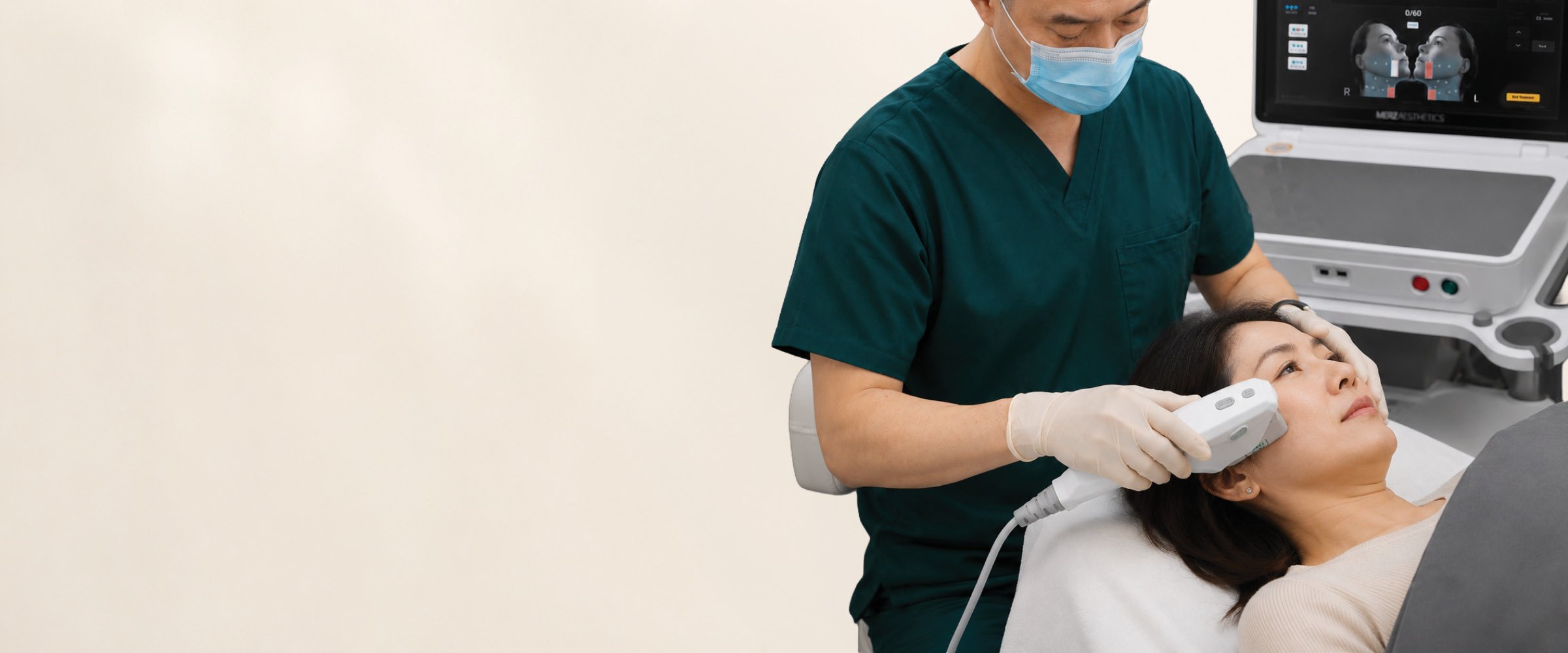
Ultherapy® uses focused ultrasound energy to stimulate collagen production deep beneath the skin's surface. It is commonly used to lift and tighten the brow, lower face, jawline and neck without surgery.
Suitable For
Mild to moderate skin laxity
Jawline definition
Neck tightening
Non-surgical lifting
Profhilo®
Profhilo® is a bio-remodelling injectable that improves hydration, skin quality and elasticity. It can help improve crepey skin and mild skin laxity by supporting tissue quality and collagen production.
Suitable For
Mild skin laxity
Crepey skin
Ageing skin
Neck rejuvenation

Threadlift
Threadlift procedures use specialised threads placed beneath the skin to provide lifting support while stimulating collagen production. Results are immediate and continue to improve as collagen develops around the threads.
Suitable For
Early to moderate sagging
Jawline laxity
Mid-face descent
Lower face rejuvenation
Facelift Surgery
For more advanced skin laxity, facelift surgery may be recommended to reposition deeper facial tissues and remove excess skin. Surgical approaches provide the most significant and longest-lasting correction for severe sagging.
Suitable For
Advanced facial ageing
Significant jowls
Deep tissue descent
Surgical rejuvenation
Biostimulators
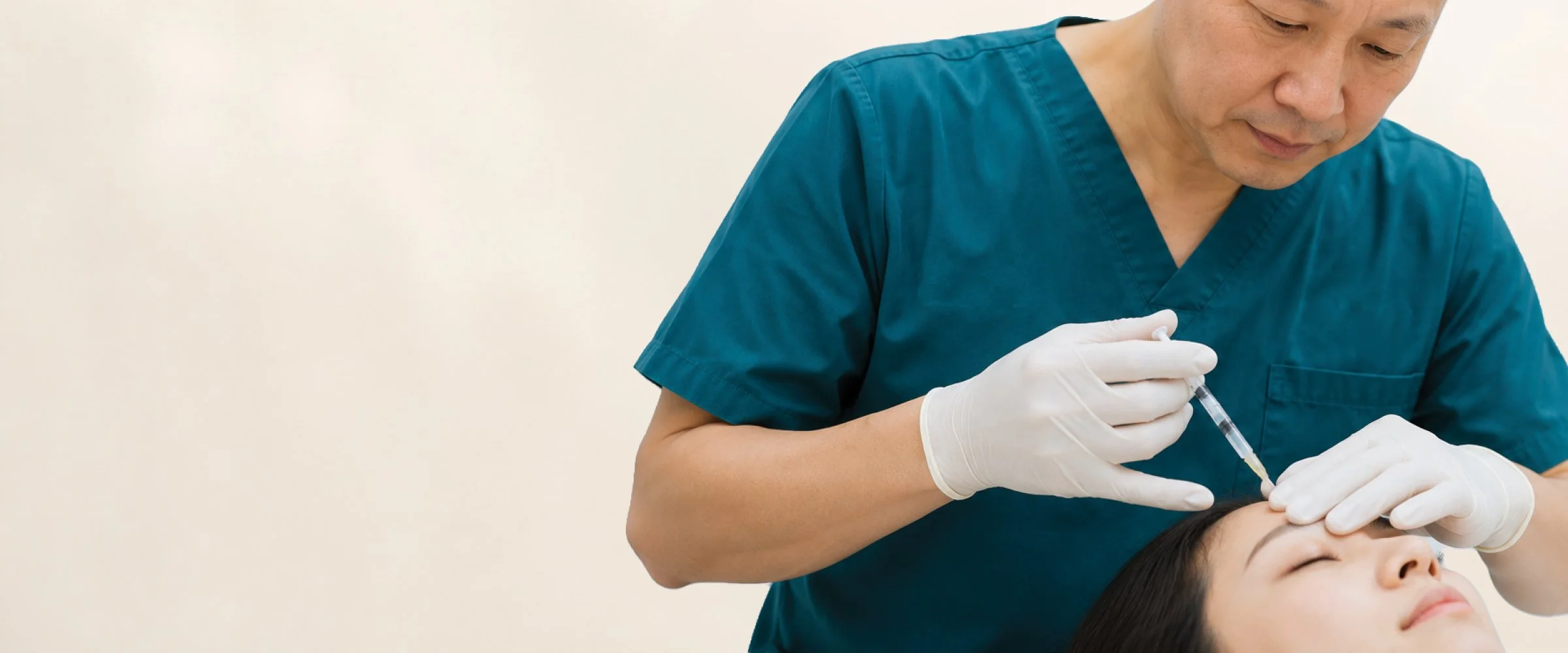
Biostimulators encourage natural collagen production to improve skin firmness, elasticity and structural support over time.
Suitable For
Early skin laxity
Collagen loss
Ageing skin
Long-term rejuvenation
Ultraformer MPT
Advanced focused ultrasound energy to stimulate collagen production deep beneath the skin's surface.
Frequently Asked Questions

Clinical Perspective
Skin laxity develops as collagen, elastin and the underlying support structures gradually weaken with age. While loose skin cannot be addressed with a one-size-fits-all solution, treatments that stimulate collagen production and support deeper tissue structures can help restore firmer, more defined contours over time.
-
Wrinkles are folds or creases within the skin, while skin laxity refers to a loss of firmness and support that causes sagging or looseness.
-
Collagen production begins declining in the mid-twenties, but visible skin laxity often becomes more noticeable from the late thirties onwards.
-
Mild to moderate skin laxity can often be improved using collagen-stimulating and lifting treatments. More advanced cases may require surgical intervention.
-
They address different aspects of ageing. Ultherapy® primarily stimulates collagen and tightens tissue, while Threadlift procedures provide mechanical lifting and support.
-
Jowls develop when skin elasticity decreases and facial tissues descend due to collagen loss, gravity and volume changes.
-
The most suitable treatment depends on the degree of laxity, age-related changes and treatment goals. Many patients benefit from combining collagen stimulation, lifting procedures and long-term maintenance therapies.