
CONCERNS
Droopy Eyelids
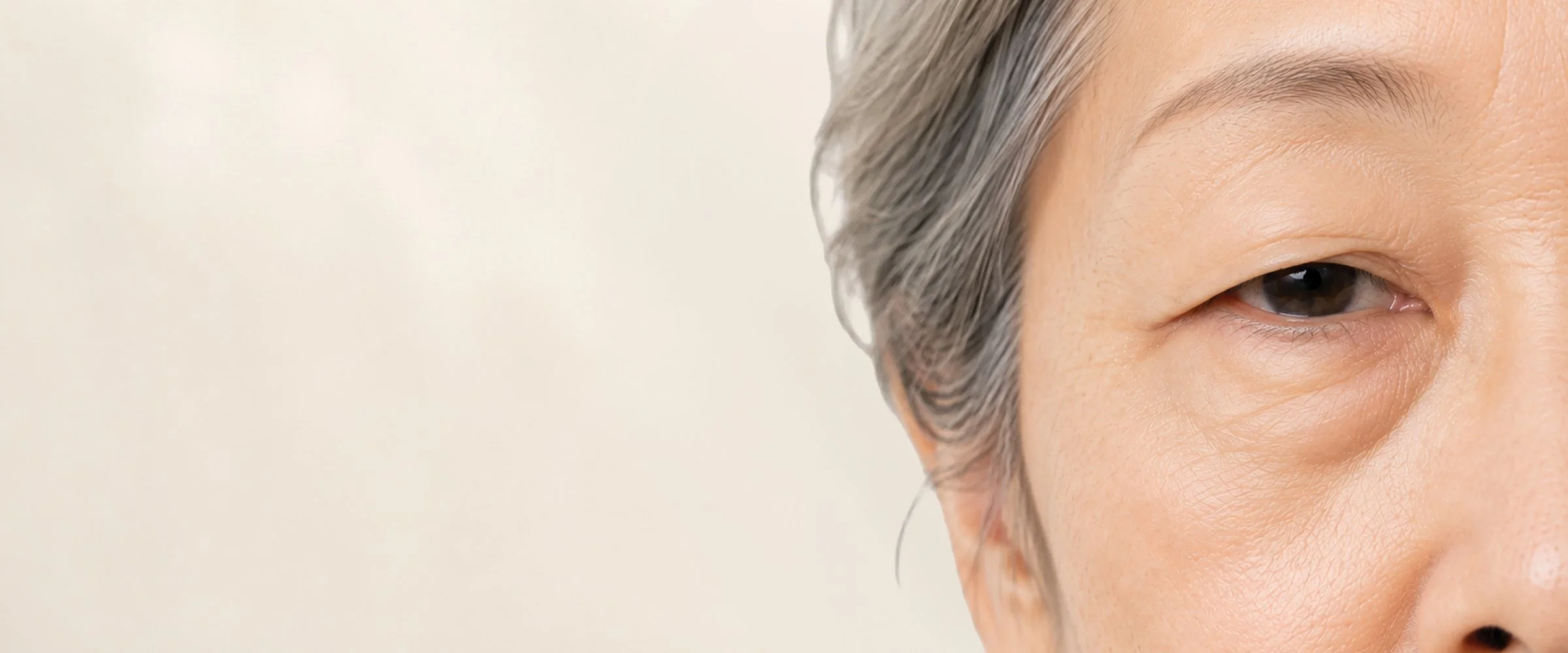
Droopy eyelids, also known as eyelid ptosis or upper eyelid hooding, occur when the upper eyelid sits lower than normal or when excess skin develops over the upper eyelid. This can create a tired, aged or heavy appearance around the eyes and, in some cases, may affect the visual field. Droopy eyelids may develop gradually with age due to weakening of the supporting tissues around the eyes, although genetics and individual anatomy can also play a significant role. Treatment options range from non-surgical skin tightening to surgical correction, depending on the underlying cause and severity.
Understanding Droopy Eyelids
Droopy eyelids occur when the upper eyelid loses support and begins to descend over the eye. This may be caused by excess skin, weakened muscles, loss of skin elasticity or age-related changes to the tissues surrounding the eye.
Some individuals naturally have heavier upper eyelids due to genetics, while others develop hooding progressively over time.
Common Causes
Ageing
Collagen and elastin decline with age, causing the skin around the eyes to become looser and less supportive.
Loss Of Skin Elasticity
The upper eyelid skin gradually loses its ability to remain firm and taut.
Genetics
Some individuals naturally inherit heavier upper eyelids or a predisposition to hooding.
Weakening Of Eyelid Support Structures
The tissues responsible for maintaining eyelid position may weaken over time.
Brow Descent
A lowering of the eyebrows can contribute to the appearance of droopy upper eyelids.
At-a-Glance
Treatment Approach
Not all droopy eyelids are caused by excess skin alone. Some cases are related to brow position, skin laxity or structural changes around the eyes. At Rexults, treatment begins with identifying the primary cause before selecting the most appropriate solution.

Assess
We assess the cause of your droopy eyelids, including excess eyelid skin, muscle weakness and eyelid position, to determine the most appropriate treatment approach.

Personalise
A personalised surgical plan is developed based on your eyelid anatomy, the underlying cause of drooping and your desired functional and aesthetic outcomes.

Lift
Upper Blepharoplasty or Ptosis Surgery is performed to restore eyelid support, improve eyelid position and create a naturally more open and refreshed eye appearance.

Reveal
As healing progresses, your eyes appear brighter, more alert and naturally refreshed, with improved eyelid function where clinically indicated.
Recommended Treatments
Double Eyelid Surgery
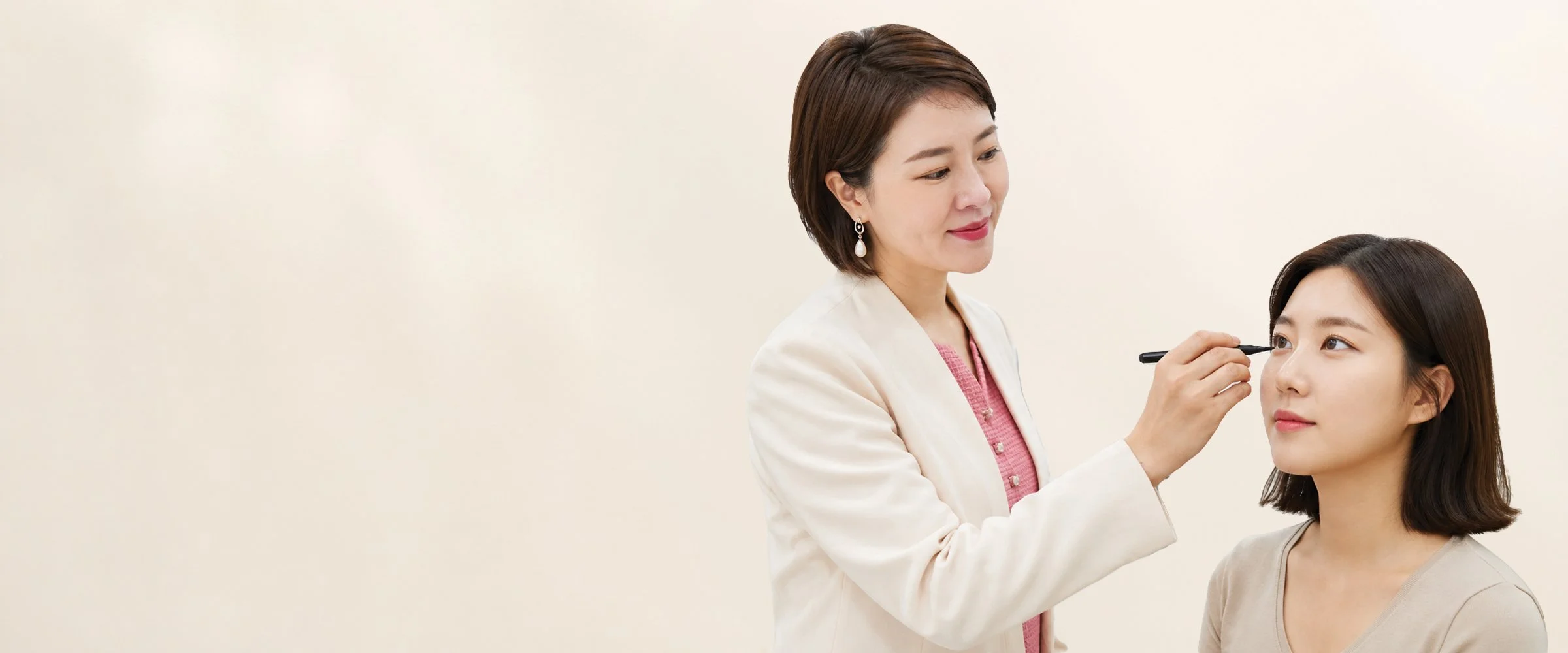
Double Eyelid Surgery creates or refines the upper eyelid crease while improving eyelid definition and opening the appearance of the eyes. It may also address mild upper eyelid hooding in appropriate candidates.
Suitable For
Low or absent eyelid crease
Hooded eyelids
Heavy upper eyelids
Eyelid definition concerns

Upper Blepharoplasty
Upper Blepharoplasty removes excess upper eyelid skin and, where appropriate, excess fat. It is often the most effective treatment for significant eyelid hooding caused by skin laxity and ageing.
Suitable For
Excess upper eyelid skin
Significant hooding
Heavy eyelids
Visual obstruction from eyelid skin
Frequently Asked Questions
Clinical Perspective
Every patient presents with unique concerns, anatomy, skin quality and treatment goals. At Rexults, every recommendation begins with a comprehensive medical assessment, allowing us to develop a personalised treatment plan that addresses the underlying cause of the concern rather than simply treating its visible signs. Depending on your individual needs, treatment may involve a single procedure or a carefully tailored combination approach to achieve safe, natural and long-lasting results.

-
Droopy eyelids may be caused by ageing, skin laxity, genetics, brow descent or weakening of the tissues that support the eyelids.
-
Not always. True ptosis refers to drooping caused by weakness of the eyelid muscle, while many people use the term "droopy eyelids" to describe excess skin or hooding.
-
Mild cases may benefit from non-surgical treatments that improve skin firmness or brow position. More significant hooding often requires surgical correction.
-
Excess eyelid skin and hooding can create a heavy appearance that makes the eyes look fatigued regardless of sleep quality.
-
Double Eyelid Surgery focuses on creating or refining the eyelid crease, while Upper Blepharoplasty primarily removes excess skin and tissue causing hooding.
-
The most suitable treatment depends on the cause and severity. Mild concerns may respond to collagen-stimulating treatments, while more advanced hooding is often best addressed with surgical correction.