

Rhinoplasty
Refine The Shape, Structure & Function Of The Nose
Rhinoplasty is a surgical procedure performed to change the shape or structure of the nose. It may be performed for aesthetic reasons or to improve nasal function. Depending on the treatment plan, the procedure may involve reshaping bone, cartilage or both to improve the size, contour and proportion of the nose in relation to other facial features.
What Is Rhinoplasty?
Rhinoplasty is a doctor-performed surgical procedure designed to reshape the nose while maintaining harmony with the surrounding facial features. Depending on your anatomy and treatment goals, the procedure may modify the nasal bridge, nasal tip or overall nasal structure. In some cases, rhinoplasty may also be performed to improve nasal airflow and breathing.
TREATMENT TYPE
Nasal Reshaping Surgery

DURATION
Approximately 1–3 Hours
SUITABILITY
Individuals Seeking Nasal Reshaping Or Functional Improvement

DOWNTIME
Approximately 1–2 Weeks

COMFORT LEVEL
General Anaesthesia Or Local Anaesthesia With Sedation

ADRESSES
Nasal Shape, Proportion, Asymmetry & Nasal Function

What Concerns Can Rhinoplasty Help With?
Dorsal Hump Deformity
Reshapes a prominent nasal bridge to create a smoother nasal profile.
Tip Ptosis Or Poor Tip Definition
Improves the shape, position or definition of the nasal tip.
Nasal Asymmetry
Corrects uneven nasal contours to improve facial balance.
Nasal Bridge Irregularities
Addresses bumps, uneven contours or structural irregularities affecting the bridge of the nose.
Functional Airway Obstruction
May improve breathing where nasal obstruction is caused by structural abnormalities.
Septal Deviation
Can improve nasal function when a deviated septum contributes to airflow obstruction.
How Rhinoplasty Works
Rhinoplasty reshapes the underlying bone, cartilage or both to modify the size, contour and proportion of the nose. Depending on the surgical approach, the procedure may also improve nasal function while enhancing overall facial harmony.
What to Expect
-
Your surgeon assesses your nasal anatomy, facial proportions and treatment goals to determine whether Rhinoplasty is appropriate.
-
The procedure is typically performed under general anaesthesia or local anaesthesia with sedation.
-
Incisions may be made inside the nostrils (closed rhinoplasty) or across the columella between the nostrils (open rhinoplasty). The underlying bone and cartilage are reshaped before the incisions are closed.
-
Swelling and bruising around the nose and eyes are common and may last approximately one to two weeks. A nasal splint may be worn for several days to support healing.
-
Your surgeon will review your healing progress and provide post-operative guidance as the nose continues to settle over the following months.
MEET THE DOCTOR
Not Sure If Rhinoplasty Is Right For You?
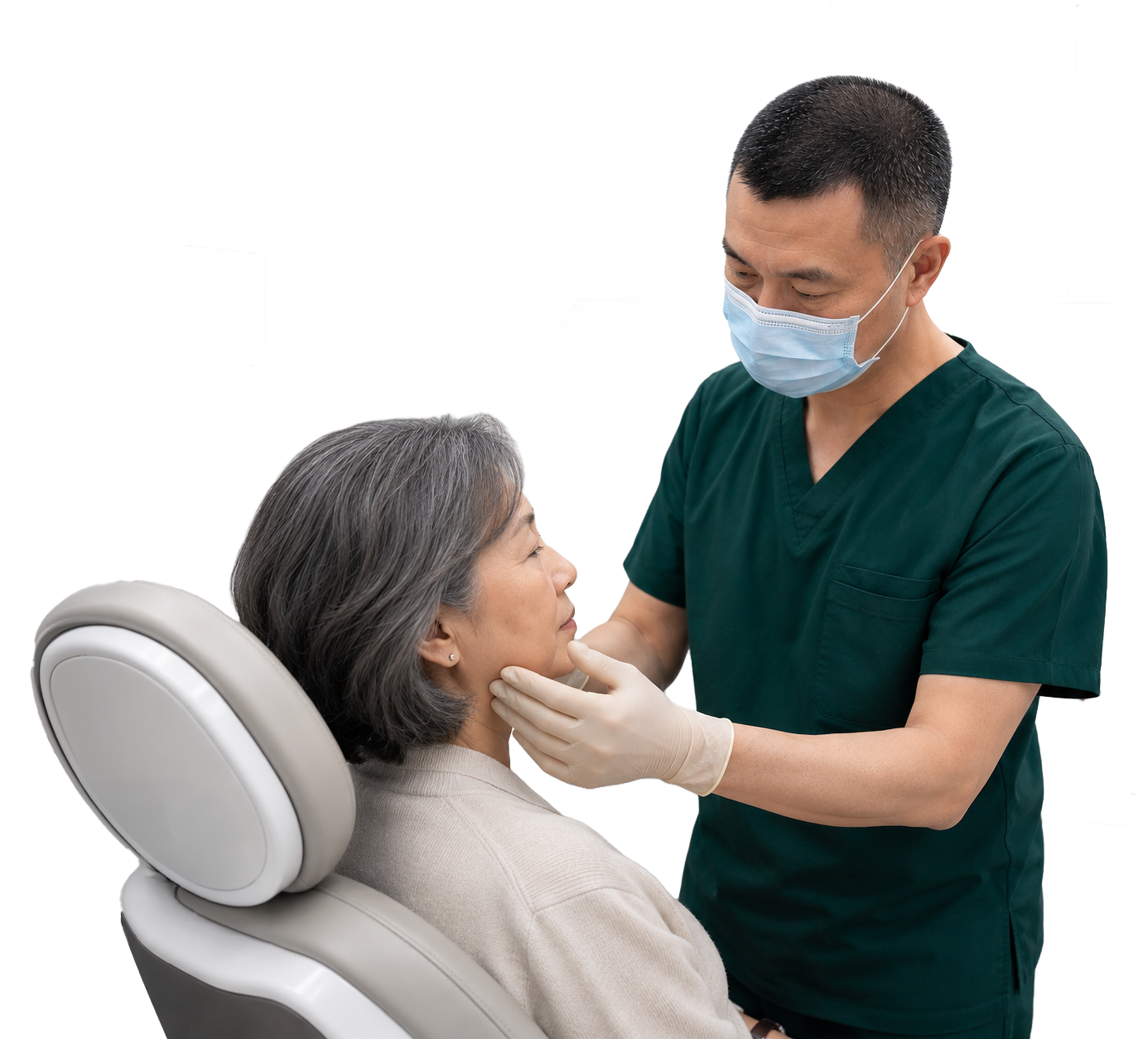
Every nose is unique. During your consultation, our doctors will assess your nasal anatomy, facial proportions and treatment goals before recommending a personalised surgical plan. Whether your objective is aesthetic refinement, functional improvement or both, your treatment will be tailored to achieve balanced and natural-looking results.