
CONCERNS
Milia (Oil Seeds)
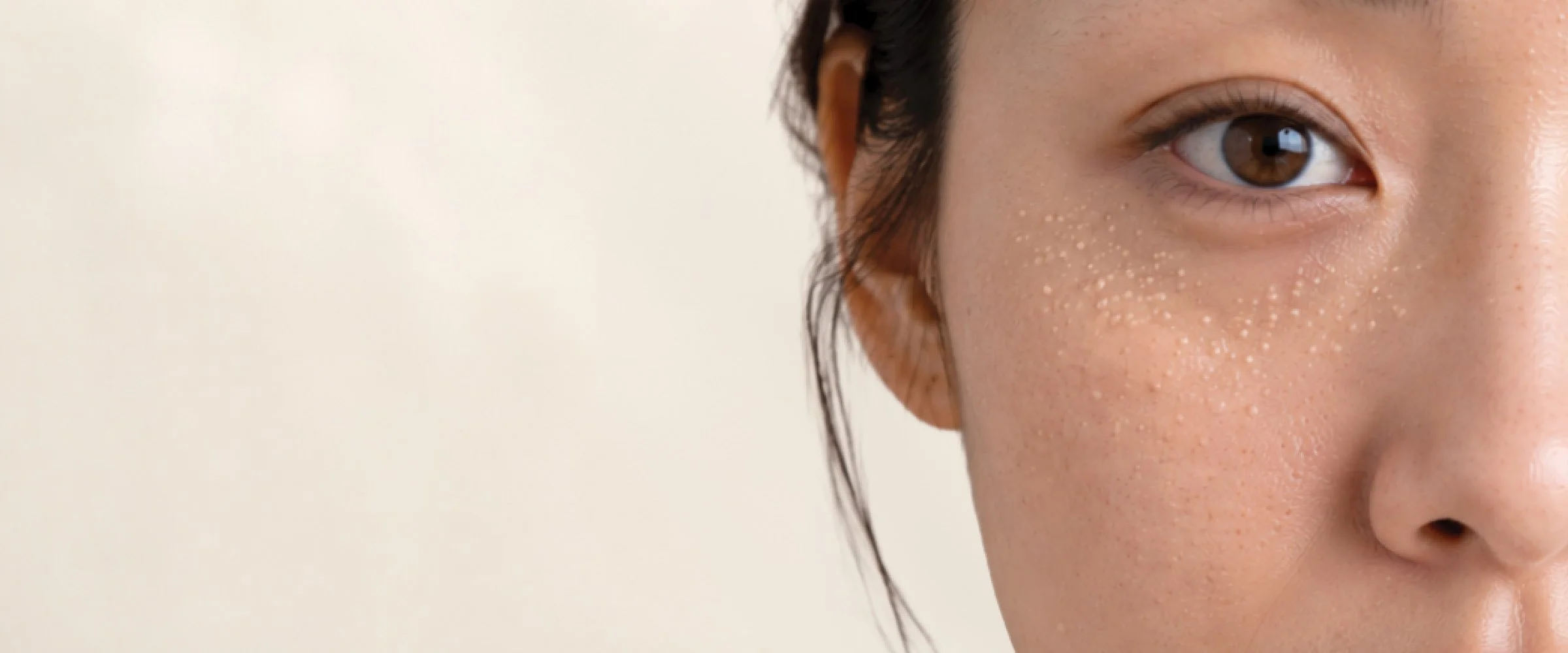
Milia, commonly known as "oil seeds", are small, firm white or yellowish bumps that develop when keratin becomes trapped beneath the skin's surface. Although harmless, they can affect the skin's smoothness and are a common cosmetic concern, particularly around the eyes, cheeks, nose and forehead.
What Are Milia?
Milia are tiny cysts that form when keratin, a natural protein found in the skin, becomes trapped beneath the surface instead of being shed normally. Unlike acne, milia do not contain bacteria, oil, or pus and are typically not inflamed.
Milia are tiny cysts that form when keratin, a natural protein found in the skin, becomes trapped beneath the surface instead of being shed normally. Unlike acne, milia do not contain bacteria, oil, or pus and are typically not inflamed
What Causes Milia?
Trapped Keratin
The most common cause is the accumulation of keratin beneath the skin when normal exfoliation and skin renewal processes slow down.
Ageing Skin
As skin cell turnover slows with age, dead skin cells may not shed as efficiently, increasing the likelihood of milia formation.
Sun Damage
Long-term sun exposure can thicken the skin's surface, making it harder for trapped keratin to escape naturally.
Heavy Skincare Products
Rich creams, occlusive products, and certain cosmetics may contribute to the development of milia in susceptible individuals.
Where Do Milia Commonly Occur?
Milia most commonly appear around:
Under-eye area
Eyelids
Cheeks
Nose
Forehead
Temple region
The delicate skin around the eyes is particularly prone to developing milia.
At A Glance
Treatment Approach

Assess
We assess the size, location and characteristics of your milia to confirm the diagnosis and determine the most suitable removal approach.

Personalise
A personalised treatment plan is created based on the number, location and sensitivity of the affected areas to ensure safe and effective removal.

Remove
Milia are carefully extracted using precise medical techniques, removing the trapped keratin while minimising trauma to the surrounding skin.

Reveal
As the skin heals, it appears smoother, clearer and more refined, revealing a healthier complexion with minimal downtime.
Recommended Treatments
Radiowave Surgery
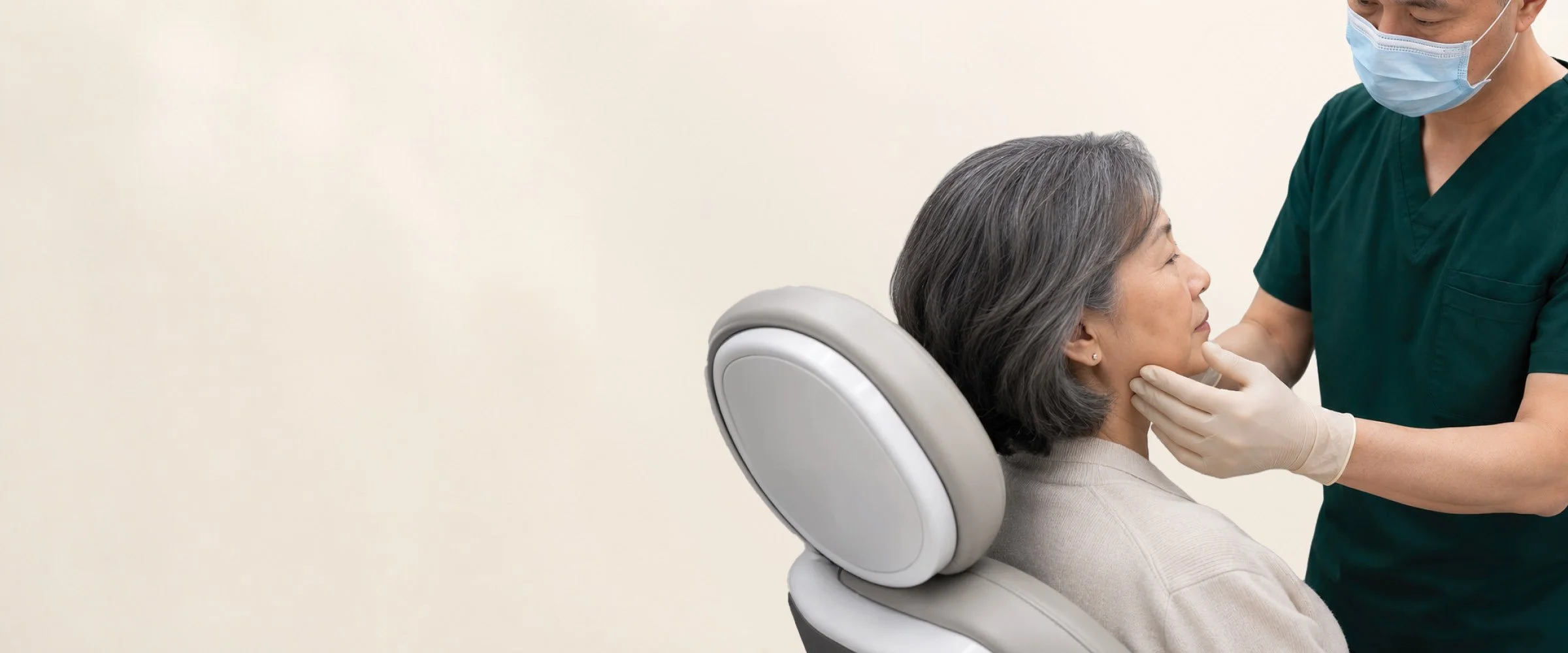
Radiowave Surgery uses high-frequency radio waves to precisely remove superficial skin lesions while minimising impact on surrounding tissue. For milia, the treatment allows the trapped keratin material to be carefully released and removed, helping restore a smoother skin surface with minimal downtime.
Frequently Asked Questions
Clinical Perspective
Every patient presents with unique concerns, anatomy, skin quality and treatment goals. At Rexults, every recommendation begins with a comprehensive medical assessment, allowing us to develop a personalised treatment plan that addresses the underlying cause of the concern rather than simply treating its visible signs. Depending on your individual needs, treatment may involve a single procedure or a carefully tailored combination approach to achieve safe, natural and long-lasting results.

-
No. Milia are small keratin-filled cysts and do not contain oil, bacteria, or pus. Unlike acne, they are usually not inflamed or painful.
-
Some milia may resolve naturally over time. However, persistent lesions often remain for extended periods and may require professional removal.
-
Attempting to squeeze or pick at milia may damage the skin and increase the risk of irritation or scarring. Professional removal is generally recommended.
-
Milia may recur if the underlying factors contributing to trapped keratin remain present, such as slower skin turnover, sun damage, or the use of heavy skincare products.
-
Most patients tolerate the procedure well. A topical anaesthetic is applied beforehand to improve comfort during treatment.
-
Minor redness, swelling or small scabs may occur temporarily. Most patients can return to normal daily activities shortly after treatment.