
CONCERNS
Post-Stress & Hormonal Hair Loss
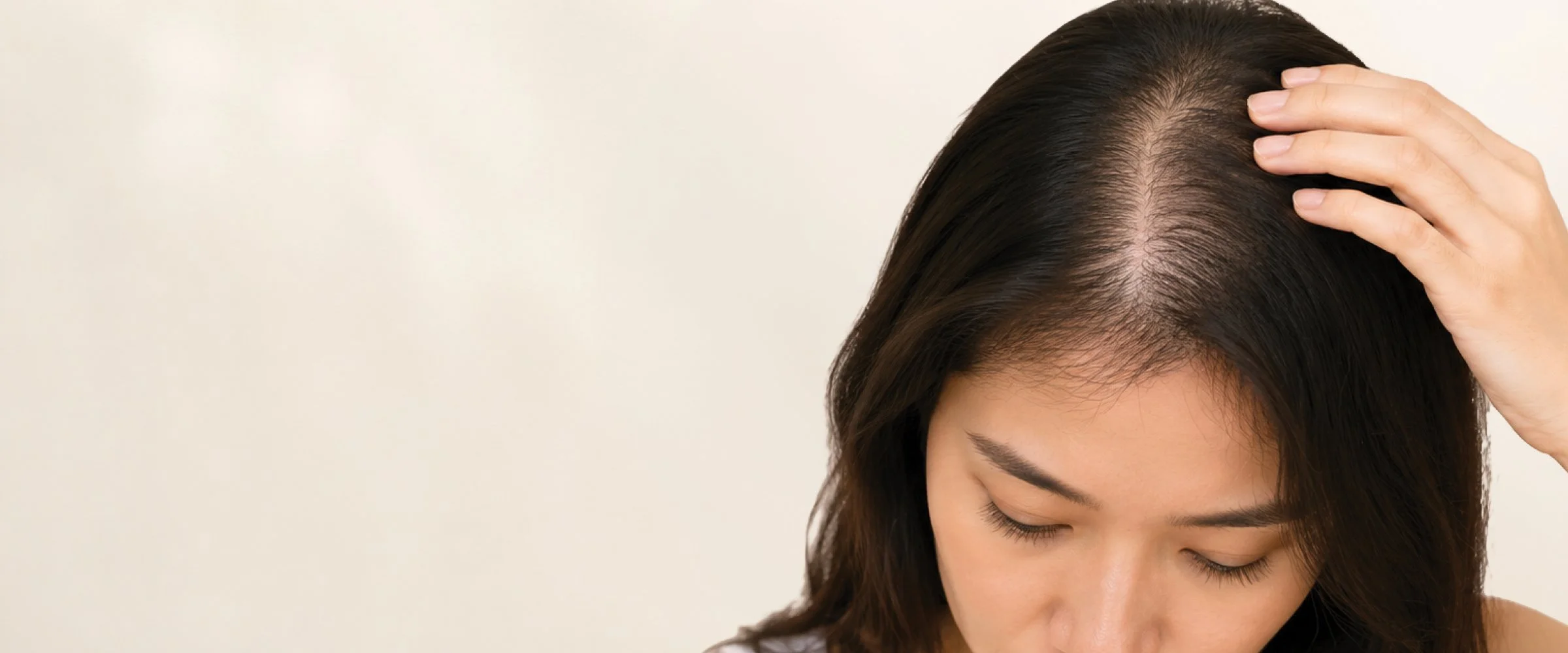
Post-stress and hormonal hair loss are common forms of hair thinning that occur when changes within the body disrupt the normal hair growth cycle. Unlike genetic hair loss, these conditions often present as diffuse shedding across the scalp rather than isolated areas of baldness. Triggers may include emotional stress, illness, surgery, childbirth, hormonal fluctuations, menopause or thyroid-related changes. Many individuals notice increased hair fall, reduced hair density and a loss of overall hair volume several weeks or months after the triggering event. With early intervention, hair growth may often be supported before significant thinning develops.
Understanding Post-Stress & Hormonal Hair Loss
What Is Post-Stress Hair Loss?
Post-stress hair loss, often referred to as telogen effluvium, occurs when physical or emotional stress causes a larger number of hair follicles to enter the resting phase of the hair growth cycle prematurely.
Several weeks or months later, these hairs are shed simultaneously, resulting in noticeable hair fall and reduced hair density.
Common triggers include:
Significant emotional stress
Major illness
High fever
Surgery
Rapid weight loss
Major life changes
What Is Hormonal Hair Loss?
Hormonal hair loss occurs when changes in hormone levels affect normal follicular activity and hair growth.
Hormonal fluctuations may occur during:
Pregnancy
Postpartum recovery
Perimenopause
Menopause
Thyroid disorders
Hormonal imbalances
These changes may cause increased shedding, reduced density or progressive thinning over time.
Common Causes
Emotional Stress
Stress can disrupt the normal hair growth cycle and trigger excessive shedding.
Physical Stress
Illness, surgery and recovery from medical conditions may contribute to temporary hair loss.
Pregnancy & Childbirth
Many women experience increased shedding several months after giving birth due to hormonal shifts.
Menopause
Declining oestrogen levels may affect hair density and follicular activity.
Thyroid Dysfunction
Both underactive and overactive thyroid conditions may contribute to hair thinning.
Hormonal Imbalances
Changes in androgen and other hormone levels can influence hair growth and shedding patterns.
Common Signs
Sudden Increase In Hair Shedding
Hair may accumulate on pillows, clothing, hairbrushes or in the shower.
Diffuse Thinning
Hair loss occurs across the scalp rather than in one specific area.
Reduced Hair Volume
The hair may feel less dense and less full.
Wider Part Line
Women often notice a broader central parting.
Loss Of Ponytail Thickness
The overall volume of the hair may decrease noticeably.
Scalp Visibility
The scalp may become more visible under bright lighting.
At-a-Glance
Treatment Approach
The Rexults Approach To Post-Stress & Hormonal Hair
Hair shedding related to stress or hormonal changes often reflects an underlying disruption to the hair growth cycle rather than permanent follicle loss. Treatment focuses on supporting scalp health, improving follicular activity and encouraging a return to healthier growth patterns.

Assess
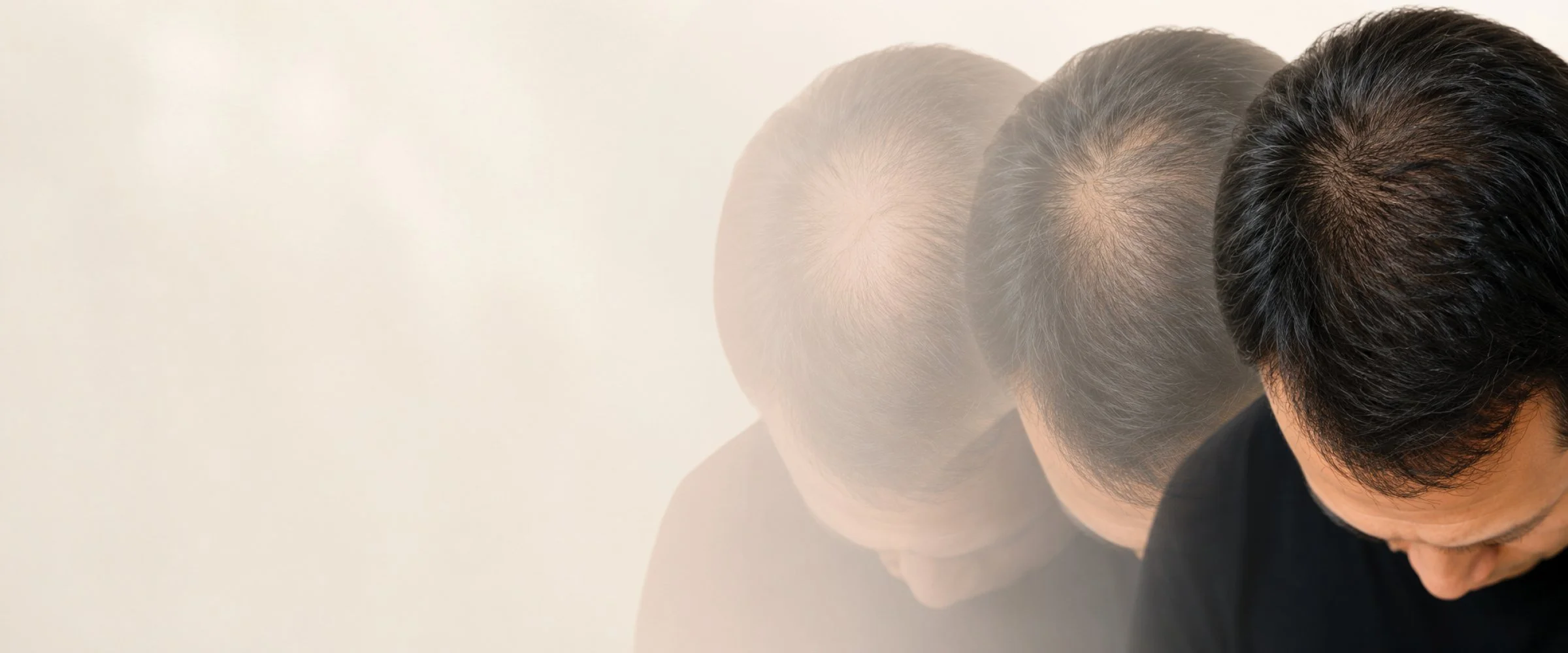
We assess your hair density, scalp health and early signs of follicular miniaturisation to identify changes before significant hair loss develops.

Personalise
A personalised treatment plan is developed based on your scalp condition, hair-loss pattern and long-term goals for preserving healthy hair.

Strengthen
Regenerative treatments support follicular activity, improve scalp health and strengthen finer hair strands to encourage healthier, fuller hair growth.

Preserve
Ongoing maintenance helps preserve existing hair density, support the natural hair growth cycle and minimise progression of future thinning.
Recommended Treatments
Advanced Hair Restoration Program
The Advanced Hair Restoration Program is designed to support individuals experiencing excessive shedding, reduced hair density and stress-related or hormonal hair thinning. The programme combines regenerative bio-signalling, precision delivery systems and light-based technologies to support scalp health and follicular activity.
The programme may include:
Secretome Infusion
Precision Micro-Infusion Technology
Iontophoresis Enhancement
Low-Level Light Therapy (LLLT)
Illuminate Therapy (Red LED)
Suitable For
Postpartum hair shedding
Stress-related hair loss
Menopausal hair thinning
Diffuse hair thinning
Excessive shedding
Hormonal hair loss
Potential Benefits
Supports healthier follicles
Encourages hair regrowth
Improves scalp health
Enhances hair density
Strengthens existing hair
Supports healthier growth cycles
Finasteride – Oral or Topical
Helps block DHT (dihydrotestosterone), a hormone that can cause hair follicles to shrink and contribute to hair thinning.
Minoxidil – Oral or Topical
Helps improve blood flow to the scalp and stimulates hair follicles to support hair growth.
Microneedling + Secretomes
Supports scalp rejuvenation and hair growth by stimulating the scalp and delivering regenerative factors.
May also support anti-ageing and scalp revitalisation.
Frequently Asked Questions
Clinical Perspective
Every patient presents with unique concerns, anatomy, skin quality and treatment goals. At Rexults, every recommendation begins with a comprehensive medical assessment, allowing us to develop a personalised treatment plan that addresses the underlying cause of the concern rather than simply treating its visible signs. Depending on your individual needs, treatment may involve a single procedure or a carefully tailored combination approach to achieve safe, natural and long-lasting results.

-
Hair shedding often begins between two and four months after a stressful event because of the way the hair growth cycle responds to stress.
-
Yes. Many women experience increased shedding several months after childbirth due to hormonal changes.
-
Yes. Hormonal fluctuations, thyroid disorders and other endocrine conditions may affect hair growth at various ages.
-
In many cases, stress-related hair loss is temporary and improves once the underlying trigger has resolved. However, recovery timelines vary between individuals.
-
Signs such as increased shedding, widening part lines, postpartum hair fall or thinning during menopause may suggest a hormonal component. A professional assessment can help determine contributing factors.
-
Early assessment is recommended if shedding persists for several months, hair density continues to decline or scalp visibility becomes increasingly noticeable. Early intervention often provides the best opportunity to support healthy follicular activity.