
CONCERNS
Acne Scars
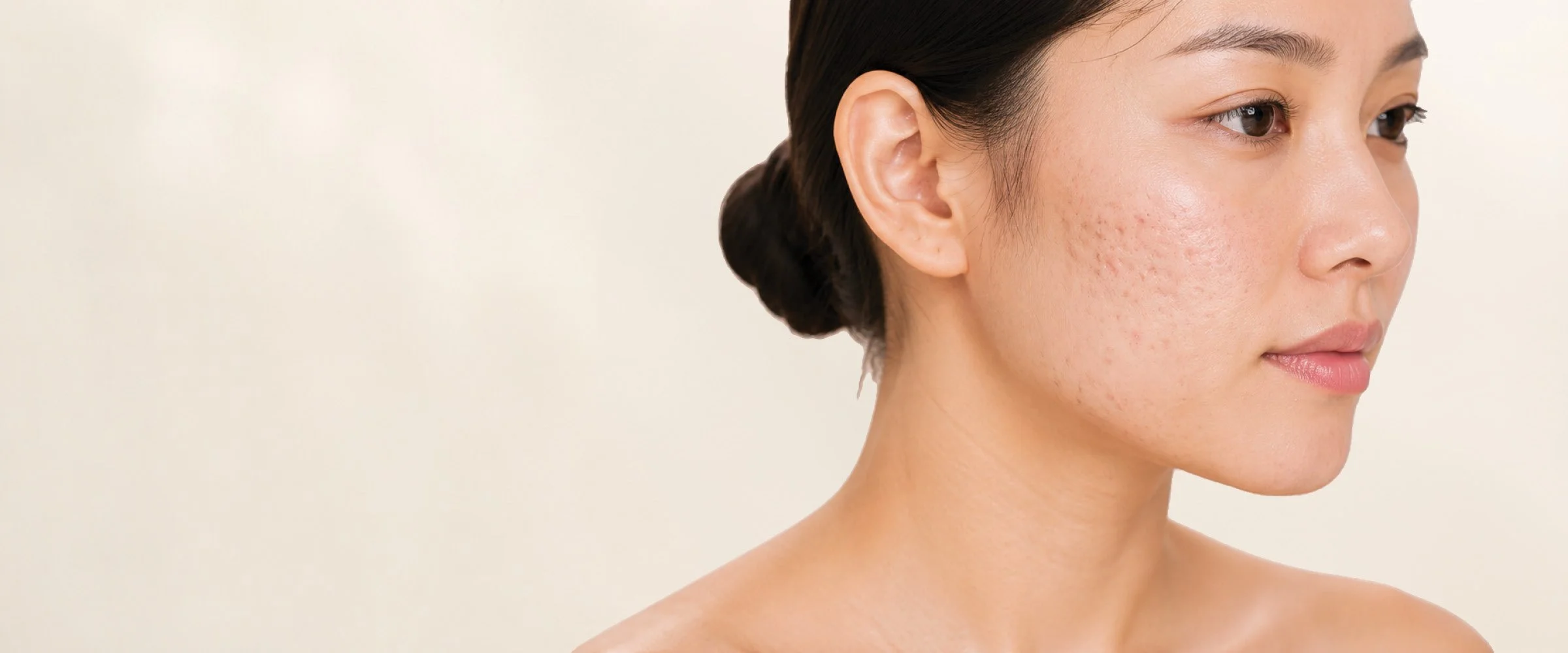
Acne may eventually heal, but the marks it leaves behind can remain long after active breakouts have disappeared. Acne scars develop when inflammation damages the skin's deeper support structures, resulting in uneven texture, depressions, pits, and irregular skin contours. At Rexults Clinic, we take a regenerative approach to acne scar management. By combining advanced laser technologies with collagen-stimulating treatments and skin-repair therapies, we help support smoother, healthier-looking skin over time.
Understanding Acne Scars
Acne scars develop when inflammation extends beyond the surface of the skin and damages collagen and supporting tissue within the dermis.
As the skin attempts to heal, it may produce too little collagen or too much collagen, resulting in visible textural irregularities.
Common contributing factors include:
Severe inflammatory acne
Delayed acne treatment
Picking or squeezing pimples
Recurrent cystic acne
Genetic predisposition to scarring
Acne scars can vary significantly between individuals and often require different treatment approaches depending on their depth and severity.
Common Types of Acne Scars
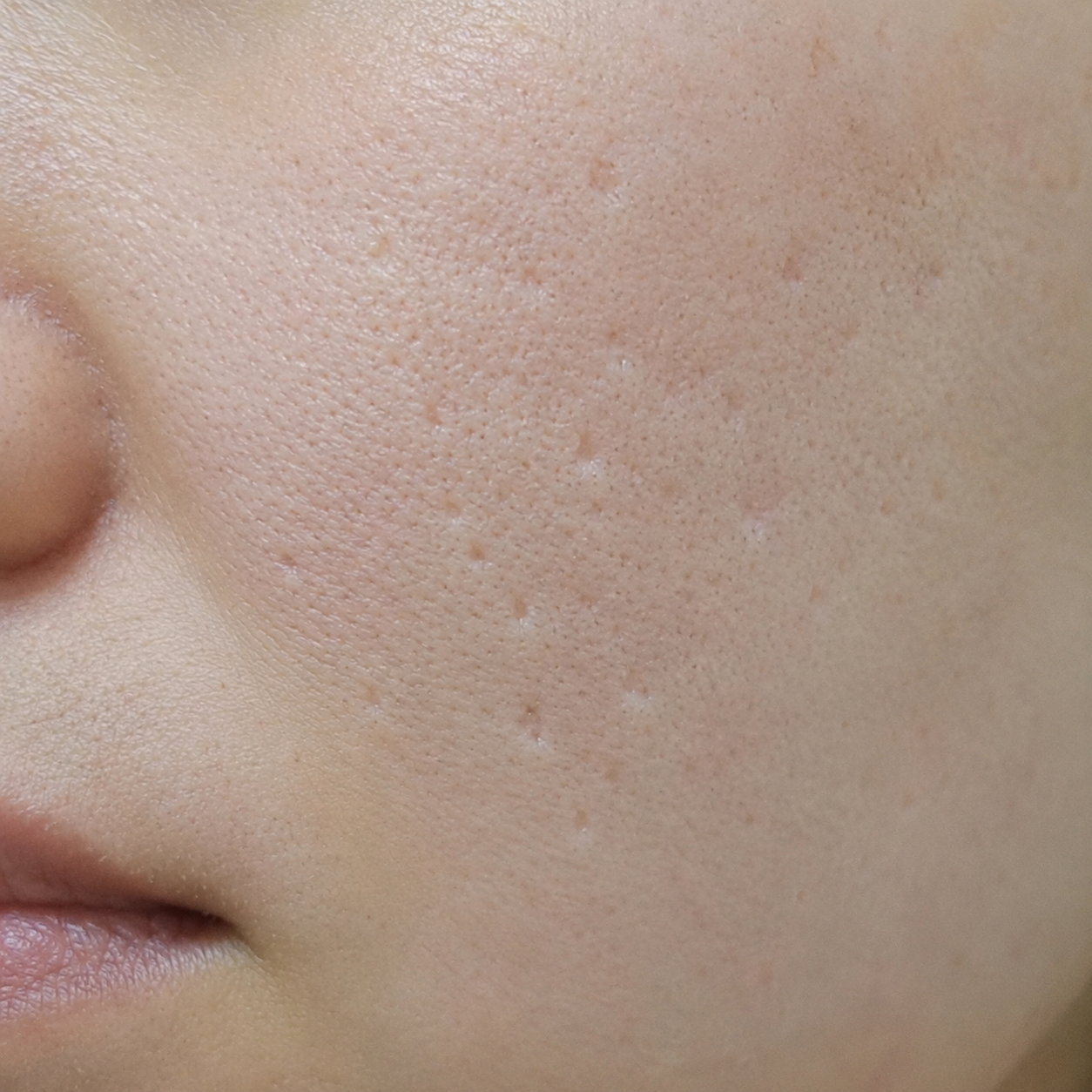
Ice Pick Scars
Ice pick scars are narrow, deep pits that extend into the skin. They are often the most challenging type of acne scar to treat
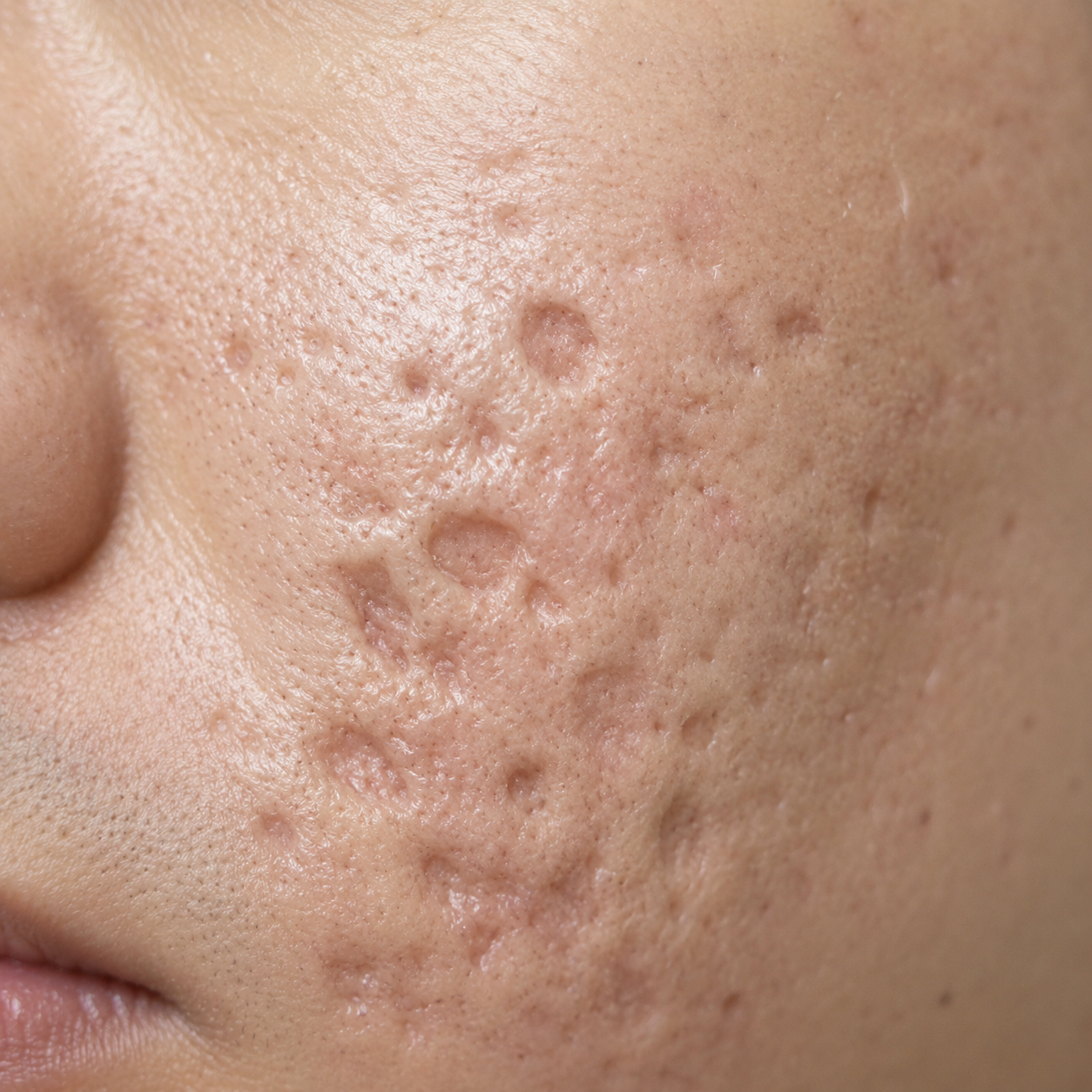
Boxcar Scars
Boxcar scars appear as wider depressions with defined edges. They may vary in depth and are commonly found on the cheeks and temples.
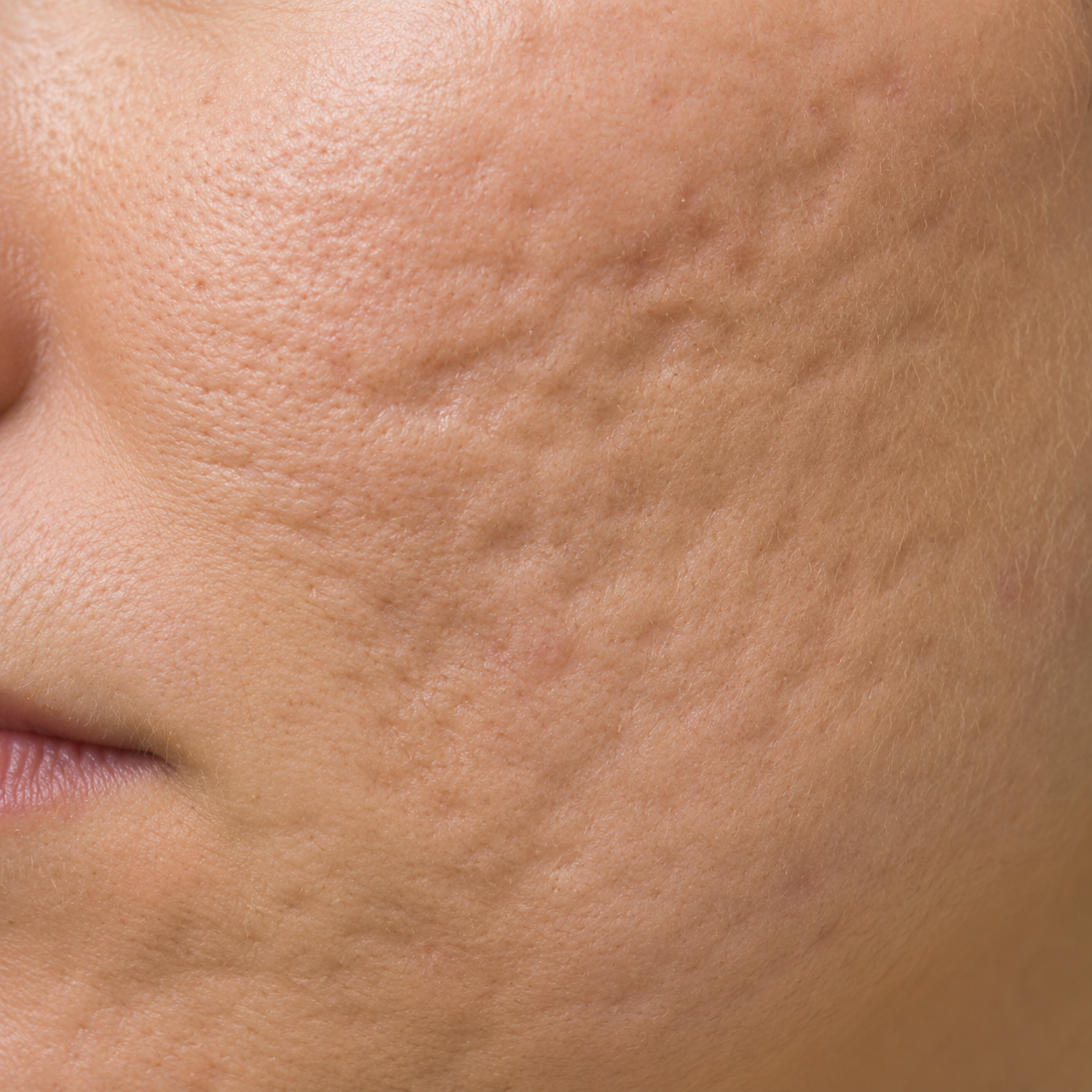
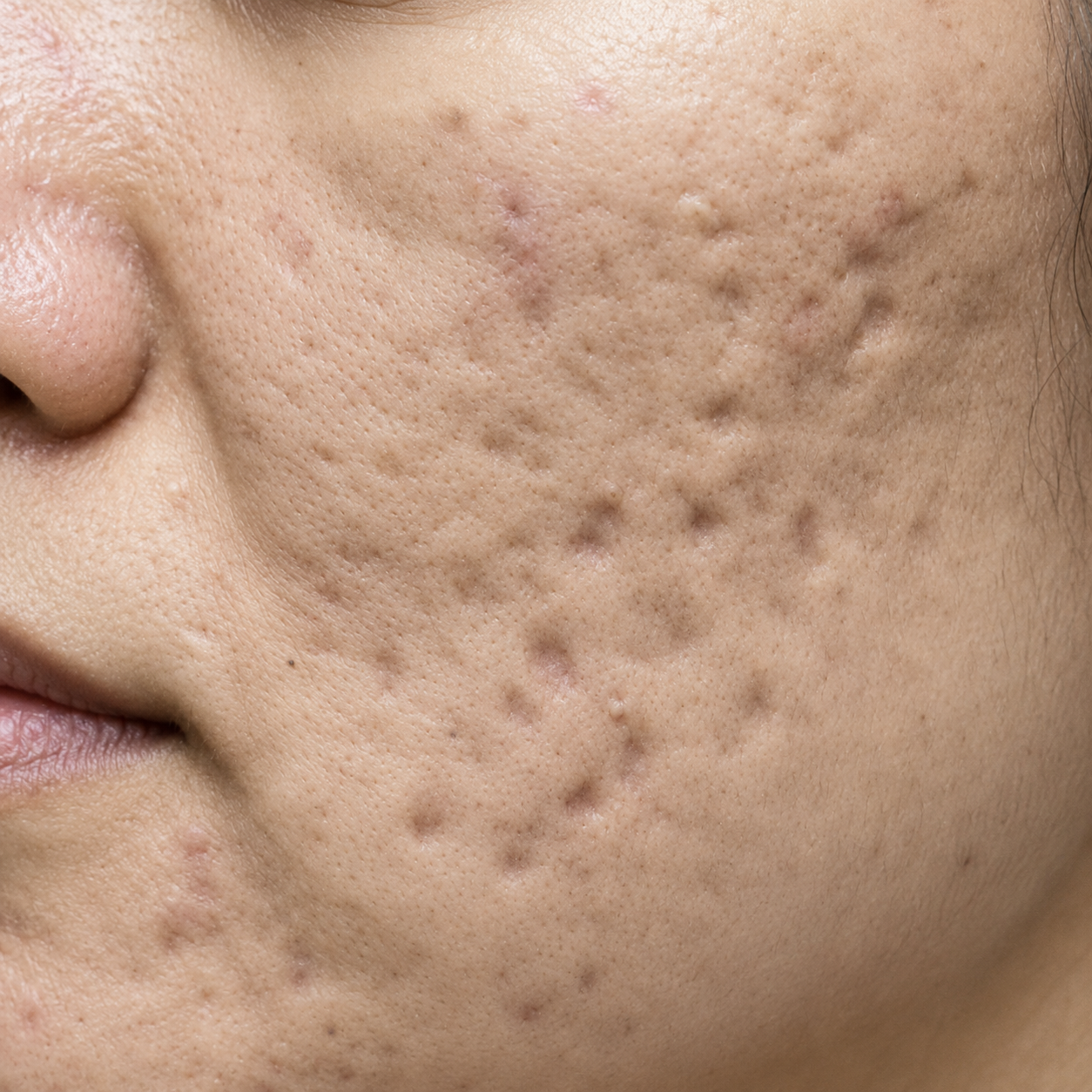
Rolling Scars
Rolling scars create a wave-like or uneven appearance across the skin due to fibrous bands pulling the skin downward.
Mixed Scarring
Many patients present with a combination of different scar types rather than a single pattern.
At-a-Glance
Treatment Approach
Our Regenerative Approach to Acne Scars
At Rexults Clinic, acne scar treatment focuses on improving the skin's underlying structure rather than simply resurfacing the surface.

Assess
We evaluate the type, depth and severity of your acne scars to understand the underlying structural changes within the skin.

Personalise
A tailored treatment plan is developed based on your scar pattern, skin condition, lifestyle and desired outcomes.

Regenerate
Advanced treatments help stimulate collagen remodelling, improve skin texture and support natural skin regeneration.

Renew
As collagen continues to rebuild over time, skin becomes smoother, stronger and more refined with progressive improvement.
Recommended Treatments

ReviFrax®
ReviFrax® is a regenerative laser treatment that targets both superficial and deeper layers of the skin. By stimulating collagen and elastin production, it helps improve acne scars, skin texture and overall skin quality. The treatment also creates microchannels that enhance the penetration of regenerative ingredients.
Suitable For
Ice pick scars
Uneven skin texture
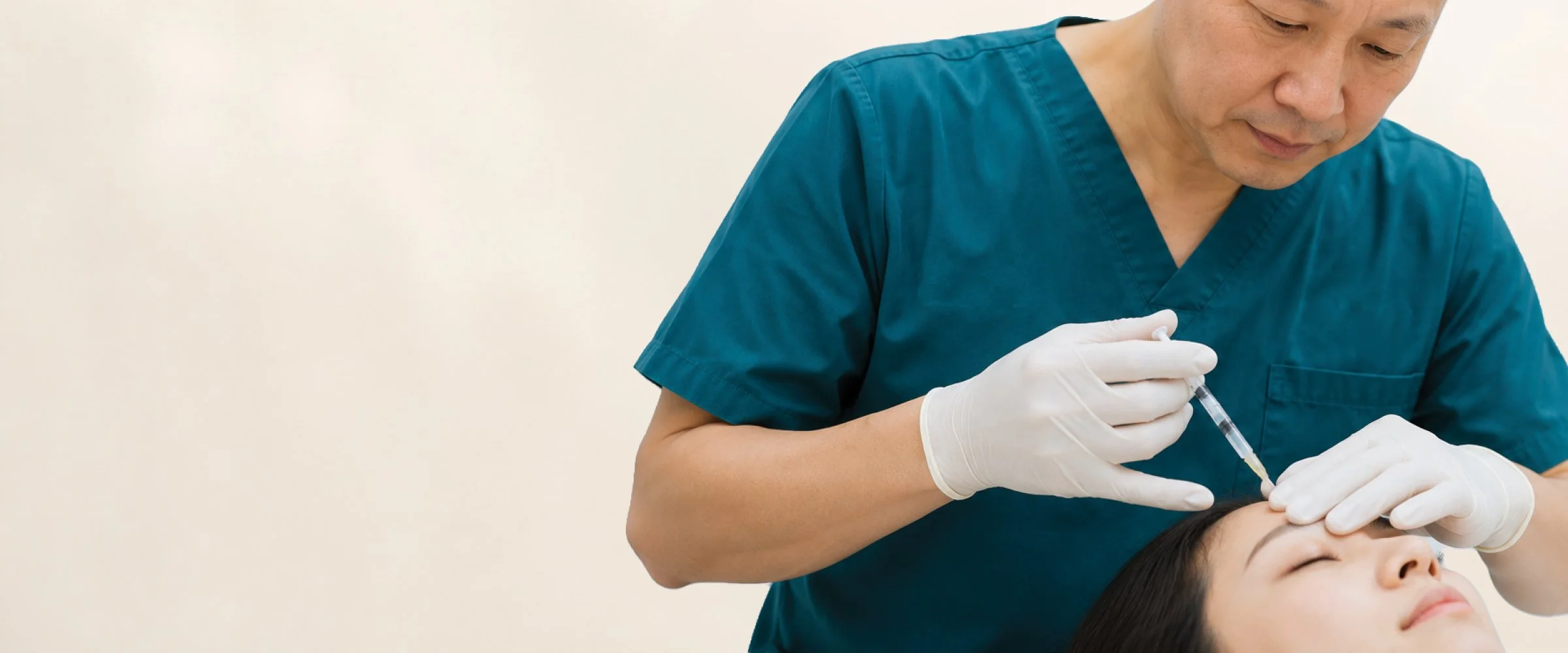
Skin Boosters
Skin Boosters deliver regenerative ingredients directly into the skin to improve hydration, collagen production and skin quality. Certain formulations such as Juvelook are specifically noted for helping refine acne scars over time.
Suitable For
Mild acne scarring
Textural irregularities
Skin quality improvement
Collagen support
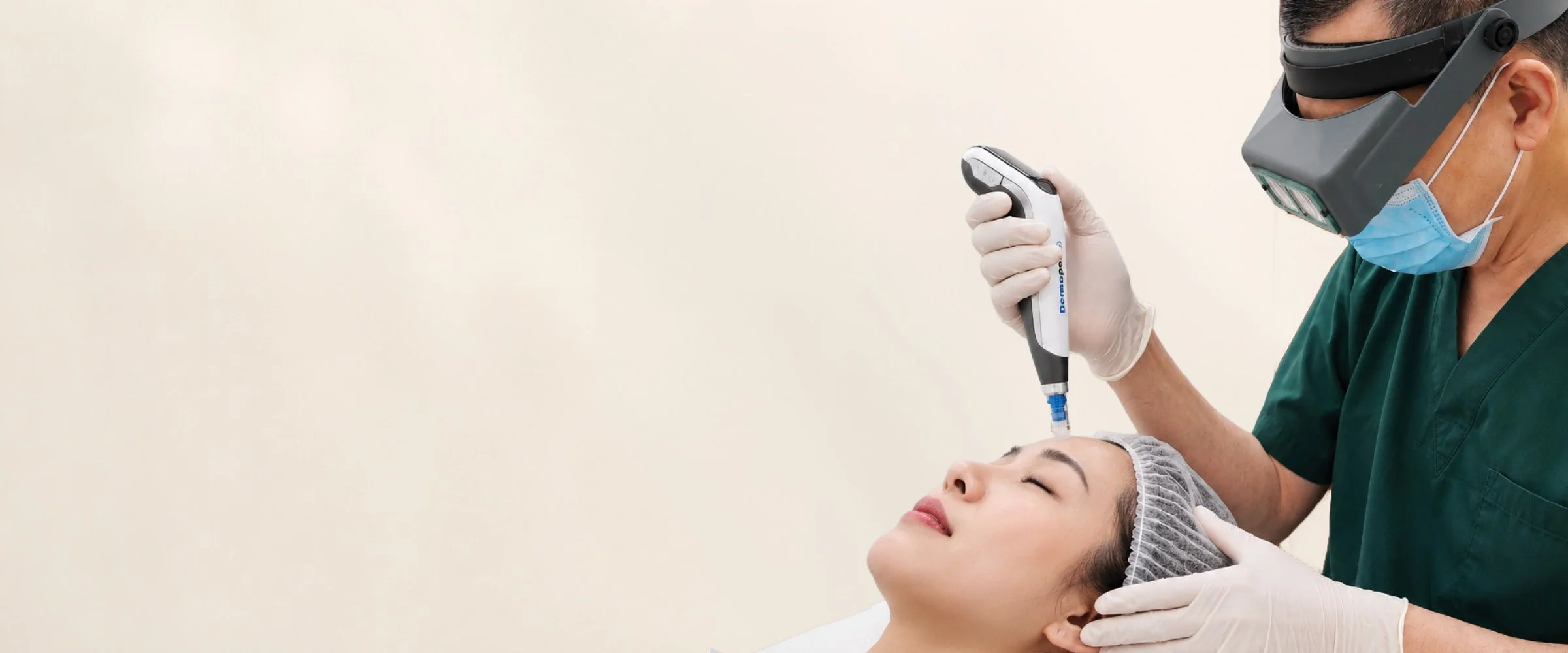
Precision Regenerative Micro-Infusion
Precision Regenerative Micro-Infusion delivers hyaluronic acid, amino acids and collagen-stimulating ingredients directly into the skin using an advanced micro-infusion device. The treatment supports hydration, collagen regeneration and structural skin renewal while helping improve acne scars and overall skin texture.
Suitable For
Acne scars
Uneven texture
Skin regeneration
Post-acne skin repair
Frequently Asked Questions
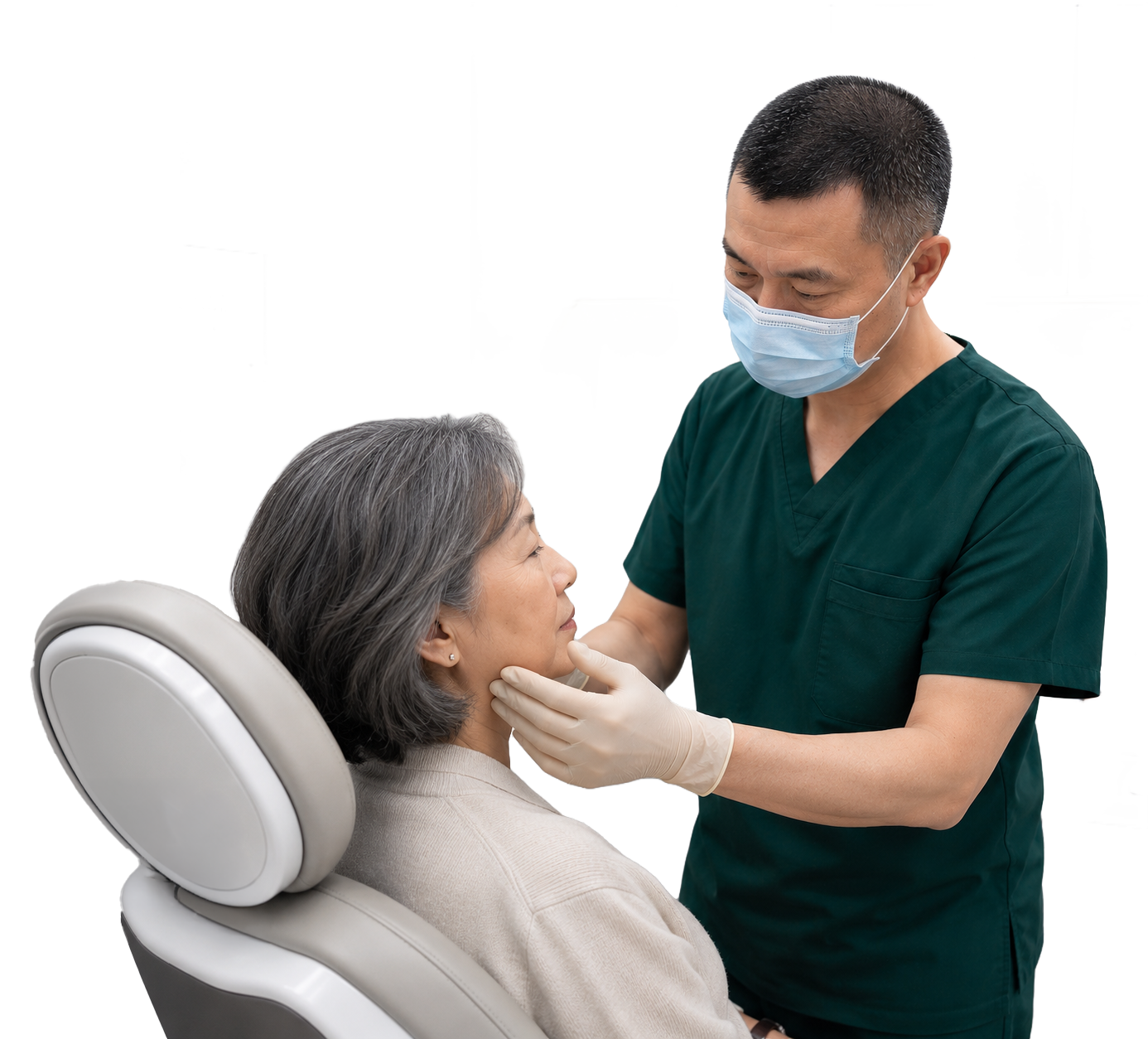
Clinical Perspective
Acne scars vary in depth, shape and severity. Some scars are shallow and textural, while others extend deeper beneath the skin and require treatment that supports dermal remodelling. A personalised approach allows us to target the scar structure appropriately while improving overall skin texture and quality.
-
Acne scars can often be improved using a range of medical aesthetic treatments. The most appropriate approach depends on factors such as scar type, severity, skin condition and individual treatment goals.
-
Acne scars typically develop when inflammation from acne damages deeper layers of the skin during the healing process. Delayed treatment, severe acne and repeated picking or squeezing may increase the likelihood of scarring.
-
Not always. Acne marks are usually changes in skin colour that may fade over time, while acne scars involve changes in skin texture or structure. A consultation can help determine the nature of your concern.
-
Depending on the type of scar, treatments such as fractional resurfacing, skin rejuvenation procedures, collagen-stimulating treatments and combination approaches may be considered. Treatment recommendations are tailored to the individual.
-
The number of sessions varies depending on the severity of the scars, treatment selected and individual response. Some patients may benefit from a series of treatments over time as part of a personalised treatment plan.
-
Treatment aims to improve the appearance and texture of acne scars. Outcomes vary between individuals, and the extent of improvement depends on factors such as scar type, skin condition and treatment approach.