

Ptosis Surgery
Restore Eyelid Function & A More Open, Refreshed Appearance
Ptosis Surgery is a specialised eyelid procedure performed to correct drooping of the upper eyelid caused by weakness or stretching of the levator muscle. By tightening or reattaching the muscle responsible for lifting the eyelid, the procedure improves eyelid position and may restore a clearer field of vision while creating a brighter, more alert appearance.
What Is Ptosis Surgery?
Ptosis Surgery is designed to correct true eyelid drooping (ptosis), a condition where the upper eyelid sits lower than normal because the levator muscle has weakened or stretched over time. Unlike upper blepharoplasty, which removes excess skin, ptosis surgery restores the lifting function of the eyelid itself.
The procedure is customised to each patient's eyelid anatomy and degree of muscle weakness to improve both eyelid function and facial balance.
TREATMENT TYPE
Upper Eyelid Corrective Surgery

DURATION
Approximately 60–90 Minutes

SUITABILITY
Patients With Ptosis (Drooping Upper Eyelids)

DOWNTIME
Approximately 1–2 Weeks

COMFORT LEVEL
Performed Under Local Anaesthesia

ADRESSES
Droopy Eyelids, Vision Obstruction & Eyelid Asymmetry

What Concerns Can Ptosis Surgery Help With?
Droopy Upper Eyelids
Corrects upper eyelids that sit lower than normal due to levator muscle weakness.
Obstructed Vision
May improve the visual field when a drooping eyelid partially blocks vision.
Heavy Or Sleepy-Looking Eyes
Creates a more open and refreshed appearance by restoring eyelid position.
Eyelid Asymmetry
Improves imbalance caused by uneven eyelid height.
Forehead Strain
May reduce the need to constantly raise the eyebrows to compensate for drooping eyelids.
Functional Eyelid Weakness
Restores more normal eyelid movement and positioning in suitable patients.
How Ptosis Surgery Works
What to Expect
-
Your surgeon evaluates eyelid position, muscle function and the degree of ptosis to determine whether surgery is appropriate.
-
The procedure is typically performed under local anaesthesia to ensure comfort throughout the treatment
-
An incision is made within the natural upper eyelid crease. The levator muscle is accessed and carefully tightened or reattached before the incision is closed with fine sutures
-
Swelling, bruising and mild discomfort are expected during the first one to two weeks. Patients are advised to avoid strenuous activities during the initial healing period
-
Sutures are usually removed during a follow-up appointment. As healing progresses, eyelid position stabilises, resulting in a brighter, more symmetrical appearance and, where applicable, an improved field of vision
MEET THE DOCTOR
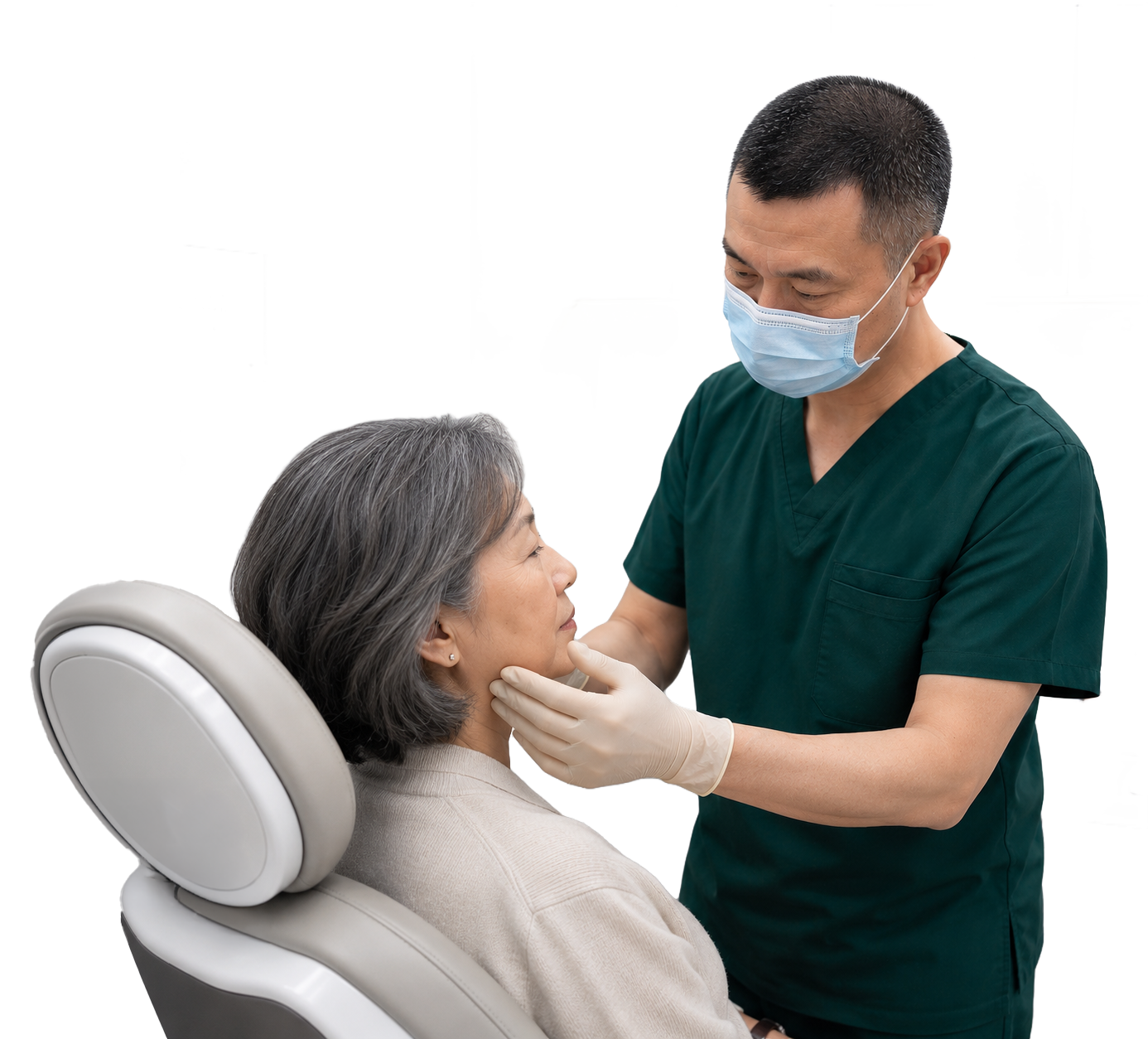
Not Sure If Ptosis Surgery Is Right For You?
Not every drooping eyelid is caused by excess skin. During your consultation, our surgeons will assess whether your concerns are due to levator muscle weakness (ptosis), excess eyelid skin, or a combination of both. Based on your anatomy and symptoms, we will recommend the most appropriate treatment, whether that is Ptosis Surgery, Upper Blepharoplasty, or a combined approach.