
CONCERNS
Pigmentation
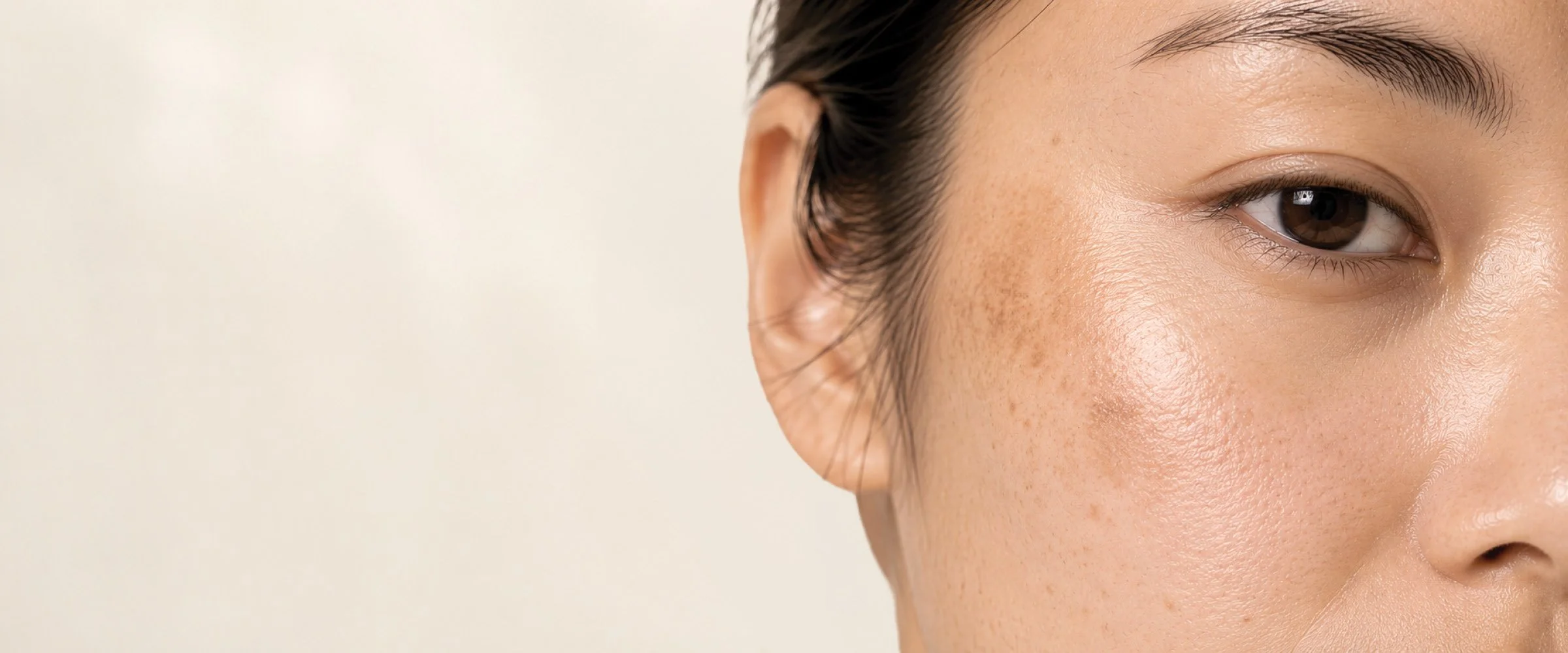
Pigmentation refers to areas of skin that appear darker than the surrounding skin due to an overproduction of melanin, the pigment responsible for skin colour. It commonly affects the face, neck and hands and may develop as a result of sun exposure, hormonal influences, ageing or inflammation. Pigmentation can appear as isolated spots, larger patches or deeper clusters of pigment beneath the skin. While generally harmless, it may affect overall skin clarity and contribute to a dull or uneven complexion.
What Is Pigmentation?
Pigmentation occurs when melanocytes, the cells responsible for producing melanin, generate excess pigment in certain areas of the skin. This can result in patches or spots that appear darker than the surrounding skin.
Not all pigmentation is the same. Different types of pigmentation occur at different depths within the skin and may require different treatment approaches.
Common Types Of Pigmentation
Sunspots (Lentigines)
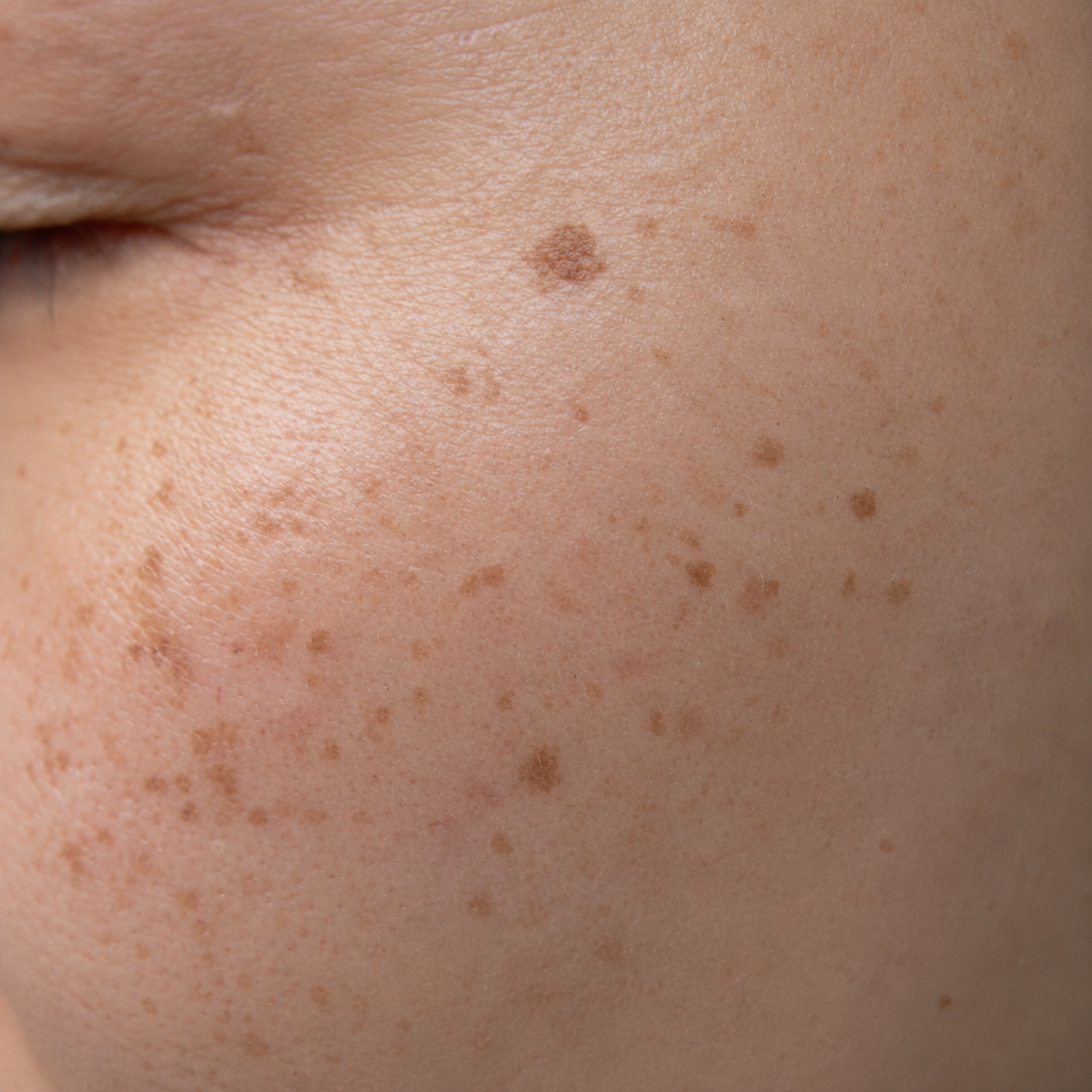
These are flat brown spots that typically develop on areas exposed to the sun, including the face, neck, shoulders and hands. They become more common with age and cumulative UV exposure
Melasma
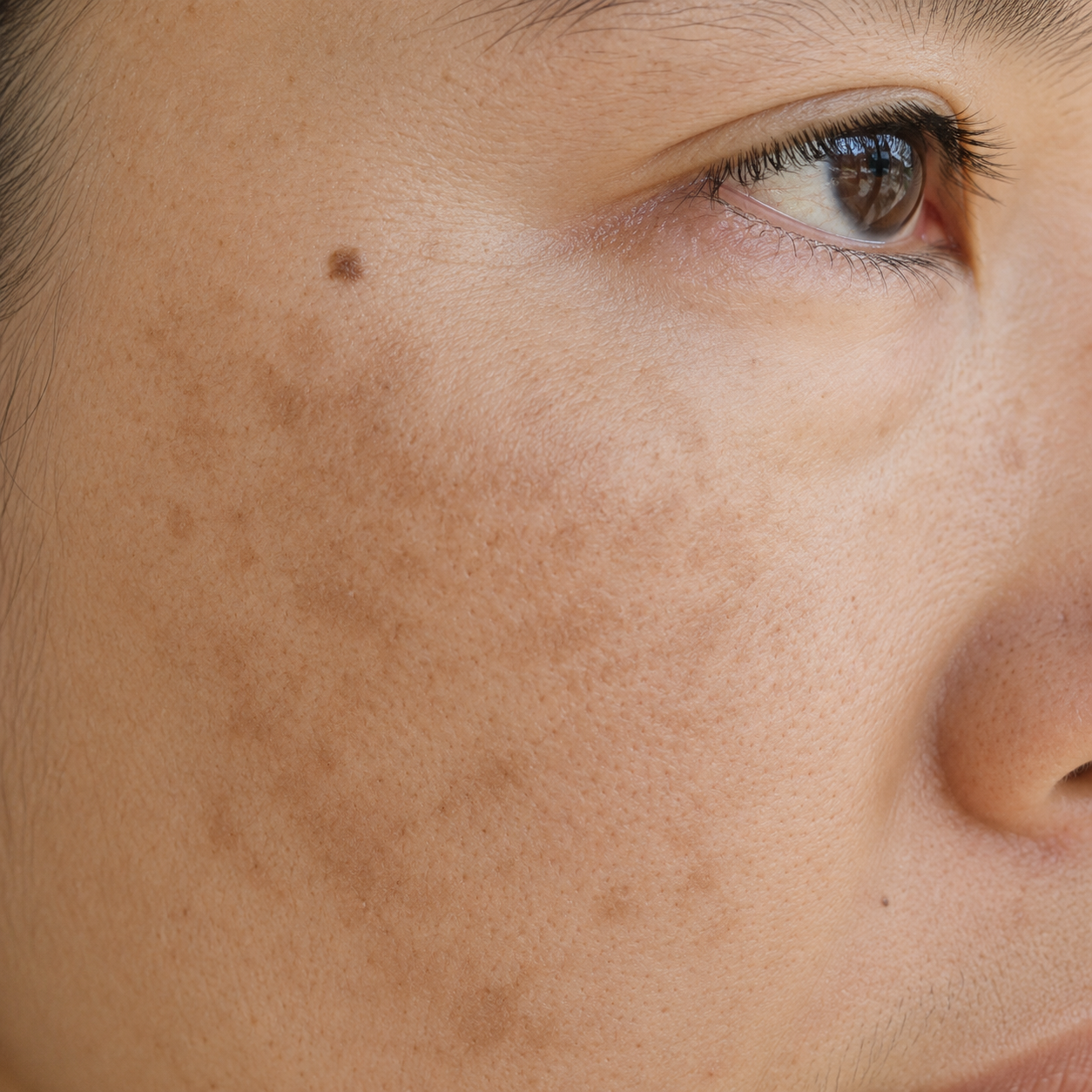
Melasma appears as symmetrical brown or tan patches, most commonly on the forehead, cheeks, nose and upper lip. Hormonal influences, pregnancy, oral contraceptives and sun exposure are common contributing factors.
Deep Dermal Pigmentation
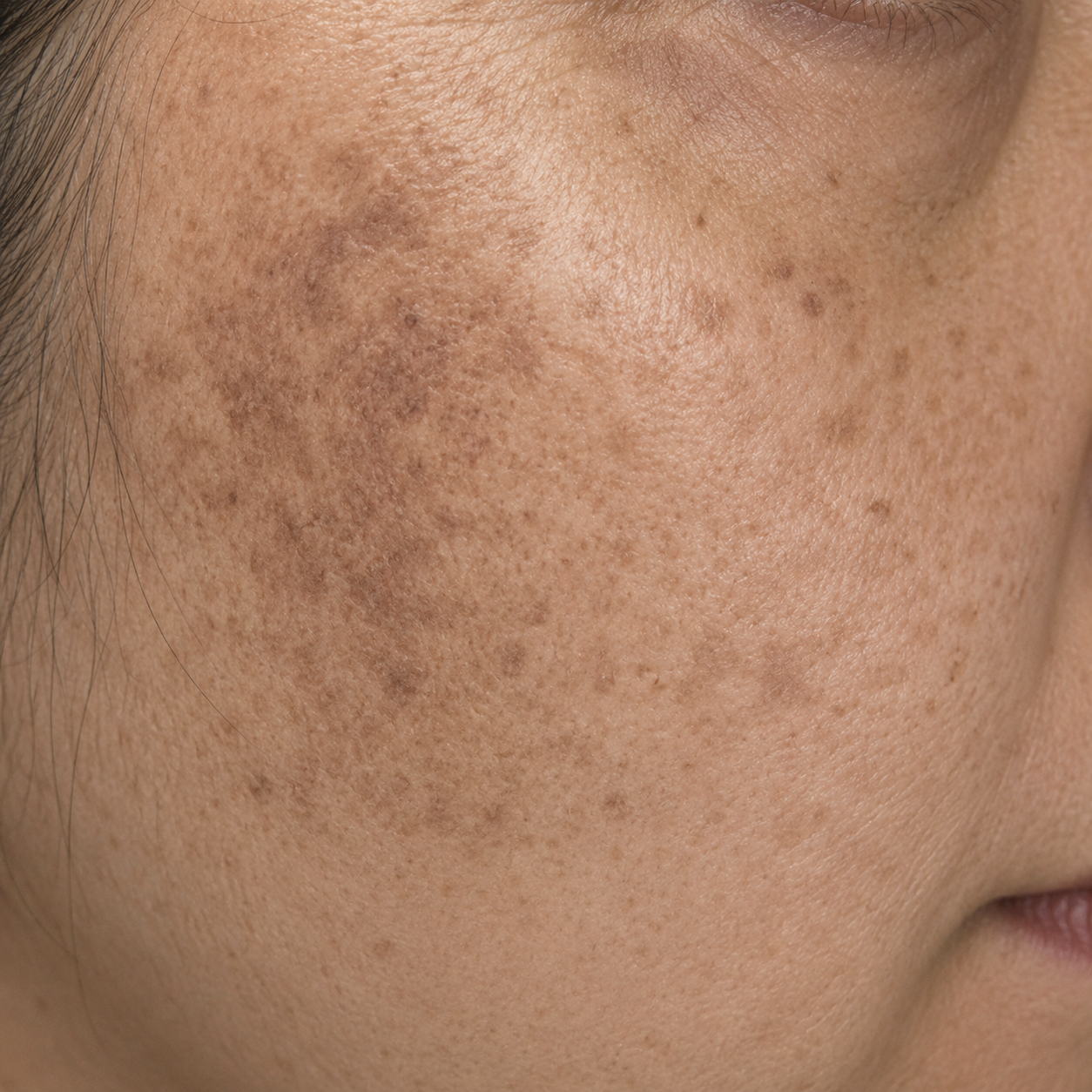
These deeper pigment deposits often appear as grey, blue-grey or dark spots within the cheeks and facial skin. They may become darker over time and are typically more resistant to topical skincare products.
Common Causes
Sun Exposure
UV radiation stimulates melanin production and is one of the leading causes of pigmentation.
Hormonal Changes
Pregnancy, hormone replacement therapy and oral contraceptives may contribute to melasma.
Ageing
Cumulative sun exposure over time may lead to the development of age spots and uneven pigmentation.
Inflammation
Previous acne, irritation or skin injury can trigger post-inflammatory pigmentation.
Genetics
Some individuals may be genetically predisposed to certain pigmentation disorders.
Common Signs
Brown Spots
Flat areas of increased pigmentation on the skin.
Uneven Skin Tone
Patchy or inconsistent skin colour across the face.
Melasma Patches
Larger areas of pigmentation commonly affecting the cheeks and forehead.
Dull Complexion
Pigmentation can affect overall skin clarity and brightness.
Persistent Dark Marks
Pigment deposits that remain visible despite skincare products.
At-a-Glance
Treatment Approach
The Rexults Approach To Pigmentation
Pigmentation can occur at different depths within the skin and may be influenced by multiple factors. Effective treatment begins with identifying the type of pigmentation before selecting the most appropriate approach.

Assess
We evaluate the type, depth and severity of your acne scars to understand the underlying structural changes within the skin.

Personalise
A tailored treatment plan is developed based on your scar pattern, skin condition, lifestyle and desired outcomes.

Regenerate
Advanced treatments help stimulate collagen remodelling, improve skin texture and support natural skin regeneration.

Renew
As collagen continues to rebuild over time, skin becomes smoother, stronger and more refined with progressive improvement.
Recommended Treatments

Clarity II Laser
Clarity II Laser targets superficial pigmentation while improving overall skin tone and clarity. Clarity II Laser improves overall skin tone and clarity.
Suitable For
Sunspots
Uneven skin tone
Early pigmentation
Skin rejuvenation

ReviFrax®
ReviFrax® is a regenerative laser treatment that supports collagen remodelling while helping improve pigmentation, skin texture and overall skin quality.
Suitable For
Pigmentation
Uneven skin tone
Rough texture
Photo-damaged skin
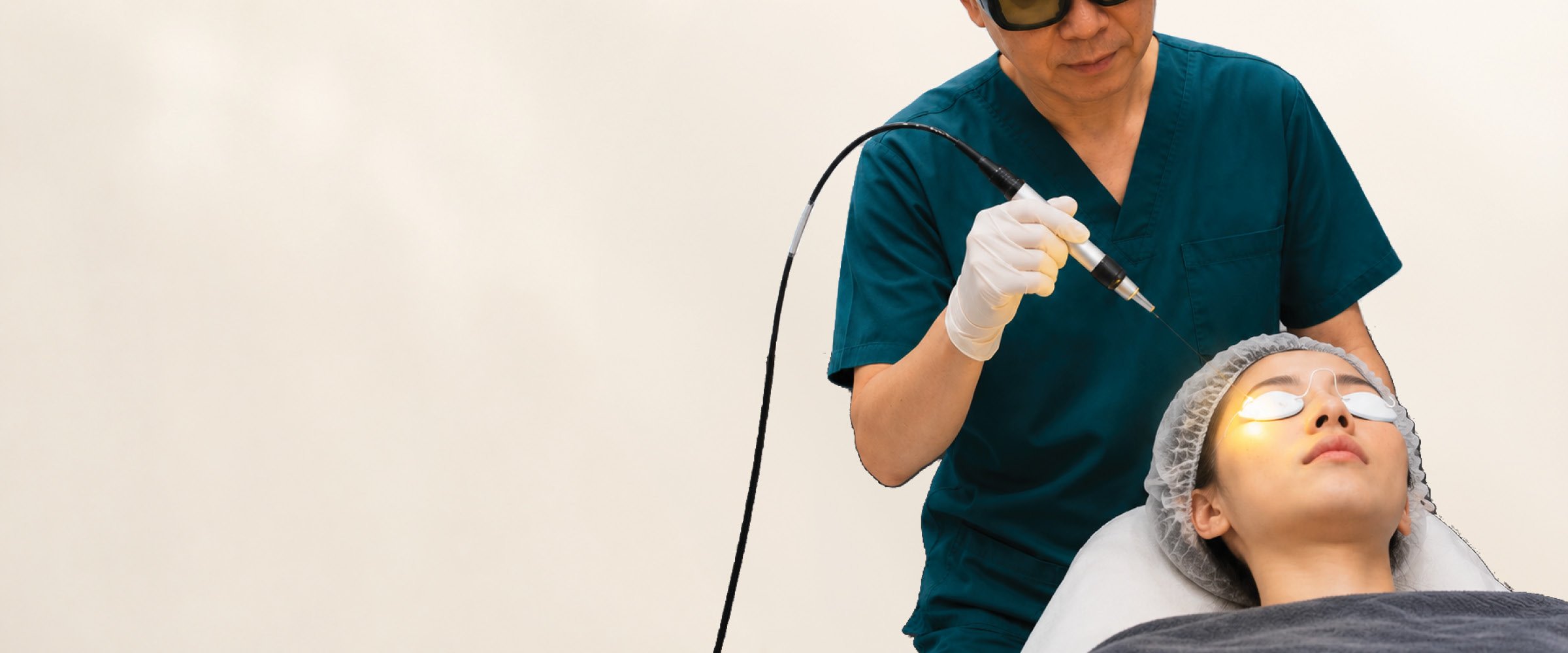
Dual Yellow Laser
Dual Yellow Laser combines two wavelengths to address pigmentation while supporting a brighter and more balanced complexion. It may be particularly useful where redness and pigmentation coexist.
Suitable For
Pigmentation with redness
Uneven complexion
Dull skin
Skin rejuvenation

Pico Laser
Pico Laser uses ultra-short pulses to target pigment particles while minimising heat damage to surrounding tissues.
Suitable For
Sunspots
Dermal pigmentation
Melasma management
Uneven skin tone
Frequently Asked Questions

Clinical Perspective
Pigmentation is not a single condition. Different types of pigmentation, including sunspots, melasma and deeper dermal pigmentation, develop at different depths within the skin. Identifying the type of pigmentation is essential in selecting the most appropriate treatment and achieving predictable, long-term improvement.
-
Pigmentation is caused by excess melanin production and may be triggered by sun exposure, hormonal influences, ageing or inflammation.
-
Sunspots are individual areas of pigmentation typically caused by UV exposure, while melasma usually appears as larger symmetrical patches influenced by hormones and sun exposure.
-
Yes. Pigmentation may recur if contributing factors such as UV exposure or hormonal influences remain present.
-
Some forms of pigmentation are located deeper within the skin and may not respond fully to topical products alone
-
No. While sun exposure is a major contributor, hormones, inflammation, genetics and ageing may also play a role.
-
The most appropriate treatment depends on the type, depth and cause of pigmentation. A professional assessment helps determine the most suitable approach for each individual.