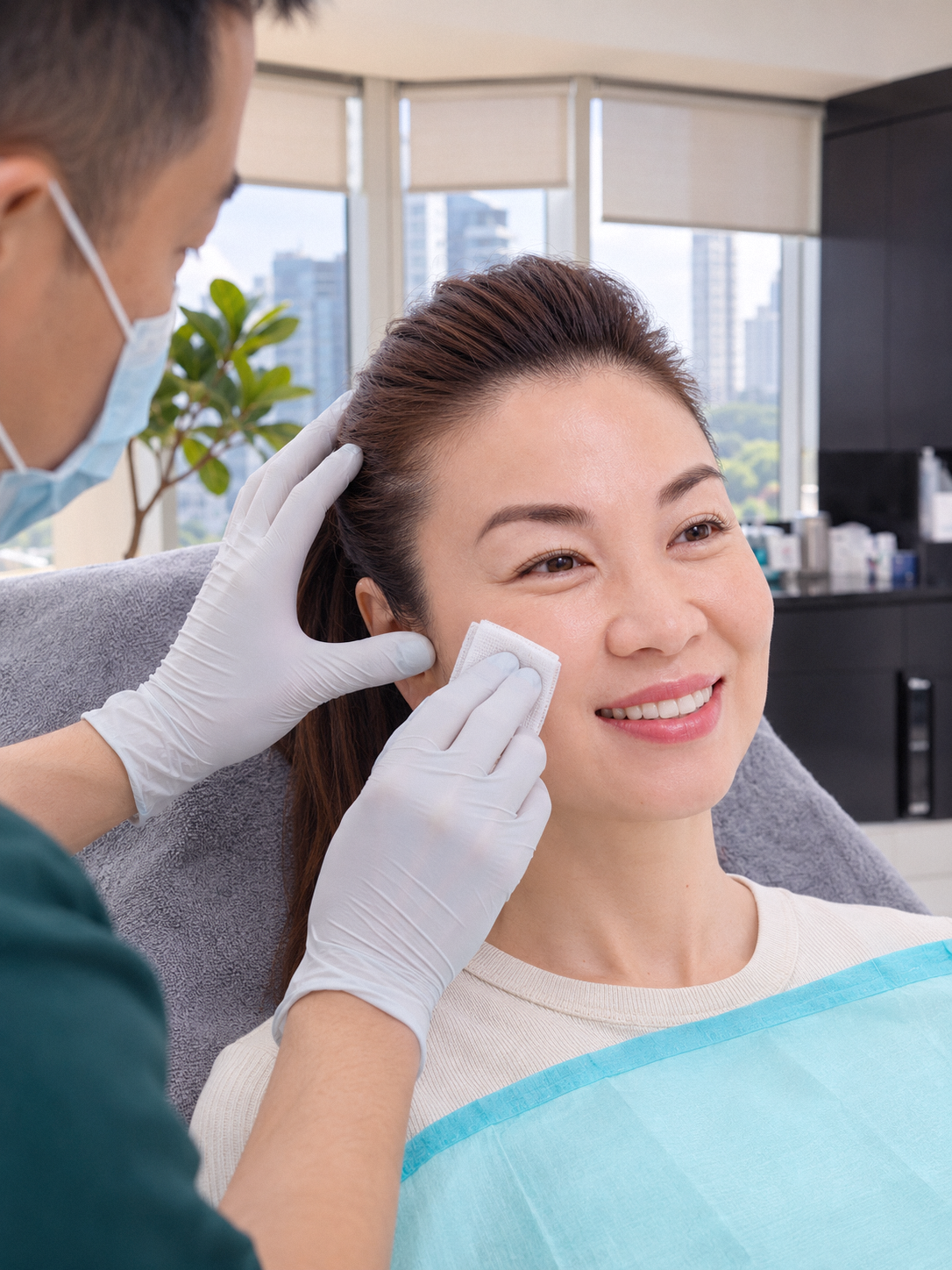
Before considering Clarity II laser for facial redness, a doctor first establishes what is making the face look red. A visible blood vessel, background redness that stays between flares and a reaction to a new skincare product can look similar in a photograph. They call for different approaches. An examination also helps the doctor assess whether your skin is ready for treatment and what improvement you could reasonably expect.
If you are researching Clarity II Laser in Singapore, the most useful starting point is a description of what you see and when it happens. A consultation about red lines around the nose is different from one about cheeks that burn after exercise. Some people have both patterns. Explaining each separately helps the doctor identify the part a vascular laser might address and the part that may need ongoing skin care.
What does the redness look like at rest?
A clinician usually looks at the face before focusing on a device. You might have fine branching lines, diffuse colour across the cheeks or redness around raised bumps. Very fine vessels may be easier to see in neutral lighting. On darker skin tones, redness may be subtle or show up as a change from your usual complexion, so warmth and discomfort are useful details too.
The history can be more revealing than the way the face looks during the appointment. Note whether your colour returns to baseline after you cool down, whether the same points flare each time, and whether a red patch remains visible the next morning. A relaxed photo when your skin feels normal and one during a usual flare can be more helpful than ten photographs with different filters. Start with the pattern of facial redness and flushing you would most like to understand.
How do doctors distinguish a vascular concern from irritated skin?
Visible vessels can be one feature of rosacea or sun-damaged skin. Central facial flushing, acne-like bumps, burning and eye irritation may point the doctor toward a broader rosacea assessment. Recent itching, scaling, a sharp edge to a rash or a reaction after changing several products may shift attention toward irritation or another skin condition. A cheek that becomes red for an hour after a hot shower raises a different question from a lesion that has bled or changed shape.
Bring a list of cleansers, acids, retinoids and prescribed treatments. Explain which ones you used when symptoms began, including products you stopped recently. A clinician may suggest addressing active inflammation and reassessing the remaining colour later. That follow-up can reveal how much redness persists after the skin settles, which helps define a narrower treatment goal.
What makes a laser plan more individual?
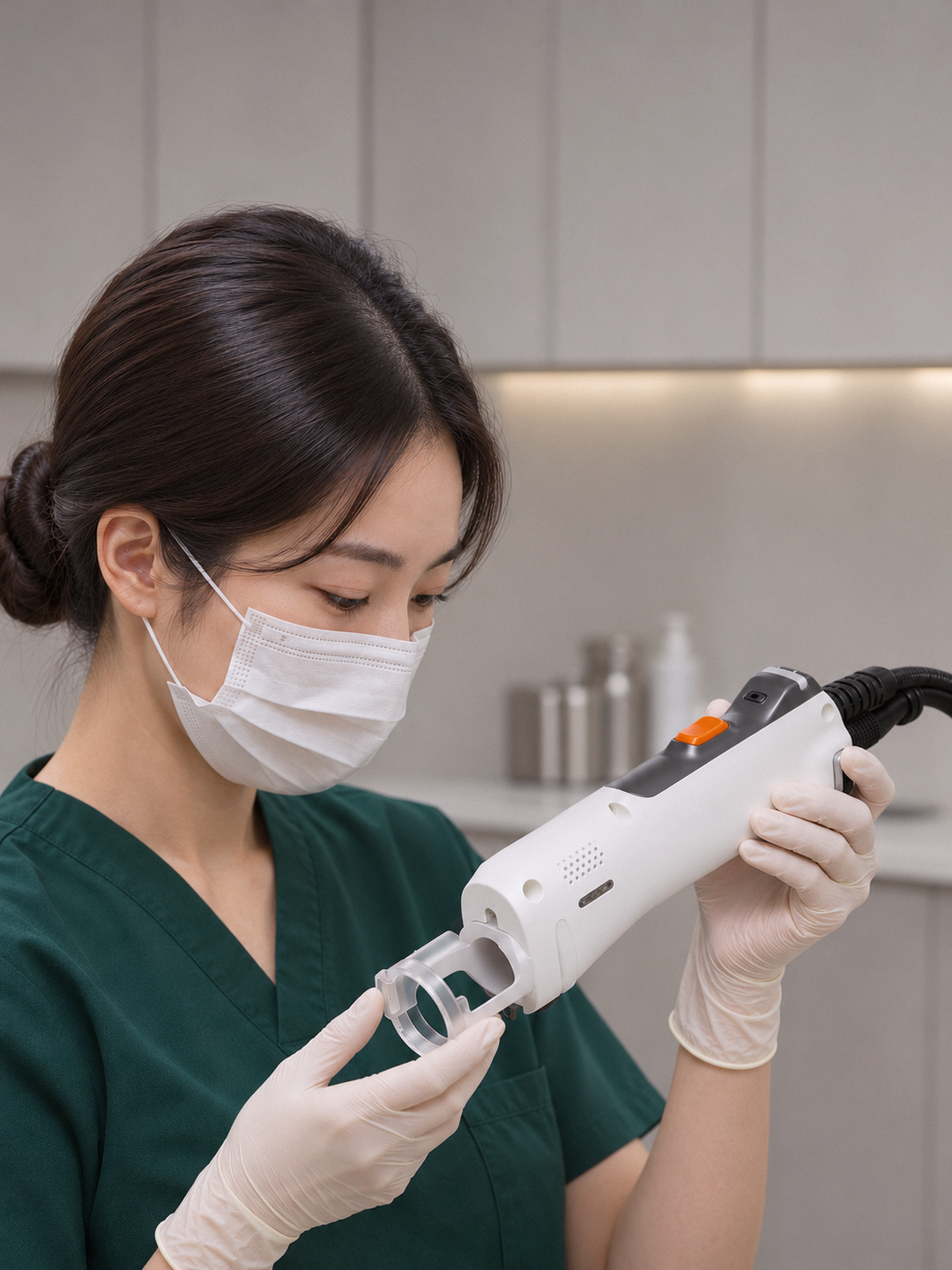
Clarity II is a laser platform. Its suitability depends on the target, the treatment area, your skin tone and your medical history. A clinician chooses an approach that accounts for visible vessel size and distribution, background skin colour and how you tend to react to heat or injury. Mention any recent tan, a history of dark marks after pimples or procedures, and any lasting light or dark changes after a previous laser session.
Ask whether the aim is to make individual vessels less visible, reduce some persistent background redness or assess how your skin responds to a small area first. The answer can affect when you review results and whether treatment should be staged. The Customised Laser Programme explains the clinic's broader laser approach. Dual Yellow Laser is another service you may encounter when researching treatment options for visible vessels.
What should you know about recovery and follow-up?
Before choosing a date, ask what redness, swelling or colour change is expected for the area being treated. Get instructions on how to wash your face, when to use your usual skincare again, and what to do about exercise or prolonged outdoor exposure. In Singapore, it helps to consider the real length of your daytime commute and whether your day includes fieldwork, outdoor sports or a long walk for lunch.
A useful follow-up looks at the same part of the face in comparable light. Agree whether you will track the number of noticeable vessels, resting colour or how often you flush. These measures can move independently. If visible vessels become less noticeable but the cheeks still burn after heat exposure, tell your doctor about both observations. Ask which symptoms your treatment is expected to change and which need their own management plan.
What to bring to the consultation
Write down when it started and list the three situations that most reliably bring it on. Tell the doctor about past procedures, medicines, a recent tan, easy bruising and any history of cold sores. If you have already tried a redness treatment, bring its name and describe what improved, what stayed the same and how long any recovery effects lasted. A first visit can end with a diagnosis, a plan to settle irritated skin, or a discussion of the options and risks.
What if your skin looks normal on the day?
A normal-looking face during the consultation is useful information. It shows the doctor what your baseline looks like and which vessels, if any, stay visible without a flare. Describe the order in which symptoms appear. For example, cheeks that first feel hot, then change colour, then settle after cooling provide a different history from a patch that starts to itch and remains for several days. If you also have tightness or flaking, mention your history of dry or dehydrated skin. That may affect what the clinician wants to address first.