A smooth-looking complexion depends on several features at once: water retention, barrier function, skin texture, even tone and the integrity of the dermis. When people search for skin boosters in Singapore, they are often hoping to improve dehydration, fine lines or a tired-looking complexion. Others are researching regenerative skin treatments because acne has left visible texture changes or the skin no longer looks as even as it once did.
These concerns overlap, but they do not always call for the same approach. Skin boosters are a category of injectable products, frequently based on hyaluronic acid. Precision Regenerative Micro-Infusion is the name Rexults uses for a device-assisted approach to placing selected ingredients within the skin. Comparing the two requires understanding both what is delivered and how it is delivered.
The short answer: Skin boosters generally refer to the injectable formulation and its intended skin-quality effects. Precision Regenerative Micro-Infusion describes a treatment approach using a controlled delivery device and selected ingredients. Their purposes may overlap, but they are not identical or automatically interchangeable.
Why Skin Hydration and Skin Texture Need Different Assessments
Dehydration can leave the face feeling tight, make fine lines more noticeable and reduce the appearance of suppleness. Uneven texture can arise from quite different causes: enlarged-looking pores, old acne scars, chronic inflammation, cumulative sun damage or changes in collagen architecture.
Hydration-focused treatment may help a person whose skin lacks moisture, but it will not necessarily lift a deep, tethered scar. Likewise, a procedure designed to influence dermal remodelling may not be appropriate when the main issue is dryness caused by a disrupted skin barrier.
Rexults treats these as distinct areas of assessment. Its information on dehydrated skin provides a useful starting point for people who are unsure whether their concern is simply moisture loss or something more persistent.
Why the Cause Matters
A person with active eczema, inflamed acne or an impaired barrier may need to stabilise that condition before considering any procedure that introduces needles or creates microchannels. Trying to resolve every skin concern through cosmetic injections can delay appropriate care.
Skin Quality Is Not a Single Measurable Property
The phrase skin rejuvenation is often used for several different goals: improving dryness, reducing visible roughness, softening fine lines or changing the appearance of scarring. Those goals should not be treated as interchangeable. For example, a surface that appears dry may improve when the barrier is repaired, even without an injectable procedure. A depressed scar involves deeper tissue architecture and will not be corrected simply by adding hydration.
When someone notices unevenness in the mirror, the clinician may need to distinguish changes in hydration from uneven skin tone and texture. The distribution of the concern, recent acne activity, pigmentation history and use of active skincare ingredients can affect the assessment.
A clear treatment plan should name the principal problem and identify which outcome will be evaluated. Smoother-looking skin is a useful personal goal, but it is less precise than determining whether the treatment aims to improve surface hydration, shallow irregularity or a particular category of scar.
What Are Skin Boosters?
Skin boosters are injectable products intended to improve selected aspects of skin quality. Many contain hyaluronic acid, a molecule naturally found in skin that binds water. Some formulas have additional components, and the concentration, rheology and clinical indications vary widely.
Because the term is broad, a useful consultation should identify the exact product rather than treating all boosters as equivalent. A cross-linked hyaluronic acid product, an uncross-linked hydration formulation and a combination product may behave differently even when advertised under the same umbrella term.
What Concerns Can Skin Boosters Address?
Depending on the formulation and its intended indications, a skin booster may be discussed for dehydration, changes in texture or the appearance of fine lines. Some products are also investigated for more specific concerns, but the evidence cannot automatically be transferred from one brand or formula to another.
The product is usually administered through a series of small injections, with placement and spacing selected by the clinician. Redness, bruising, swelling and visible injection points are possible after treatment. More serious injection-related complications, although less frequent, must also be discussed.
For patients reviewing the options mentioned in Rexults Clinic's acne scar treatment overview, it is important to confirm the precise skin-booster formulation being considered, as suitability and evidence vary across products.
Does a Skin Booster Always Require the Same Injection Technique?
No. Skin booster describes a category of formulations, not one standard procedure. The concentration of hyaluronic acid, whether the material is cross-linked and the permitted route of administration are relevant to both clinical effects and safety. Different products may be administered at different depths or using different techniques.
The same general label may be applied to different products, so treatment decisions should be based on the specific formulation and its indications. A clinician can explain which skin-quality outcome is being targeted, whether injection is appropriate, and how the product's risks compare with alternatives. Relevant changes in skin laxity may also require a separate assessment rather than an assumption that hydration alone will address them.
What Is Precision Regenerative Micro-Infusion?
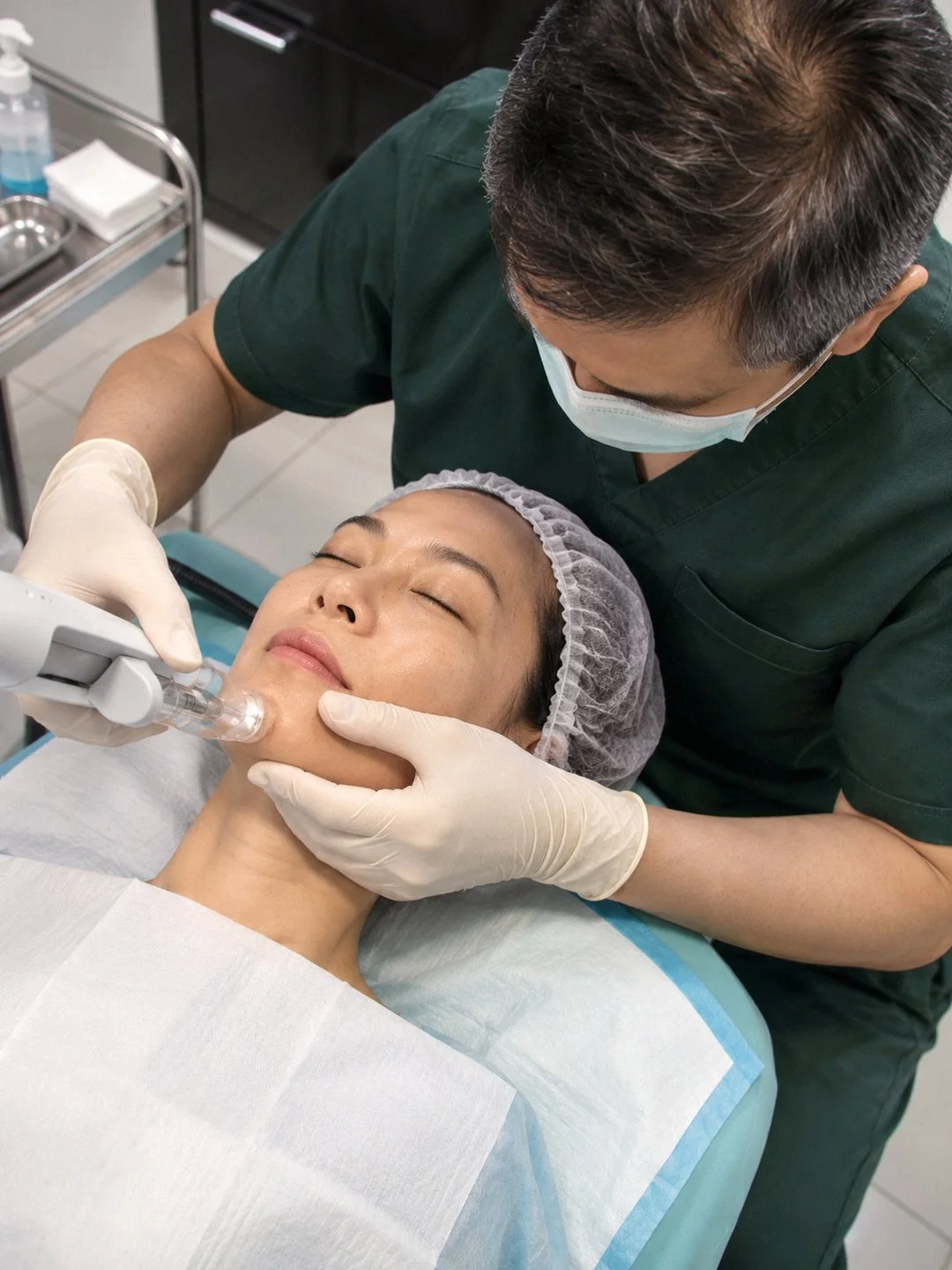
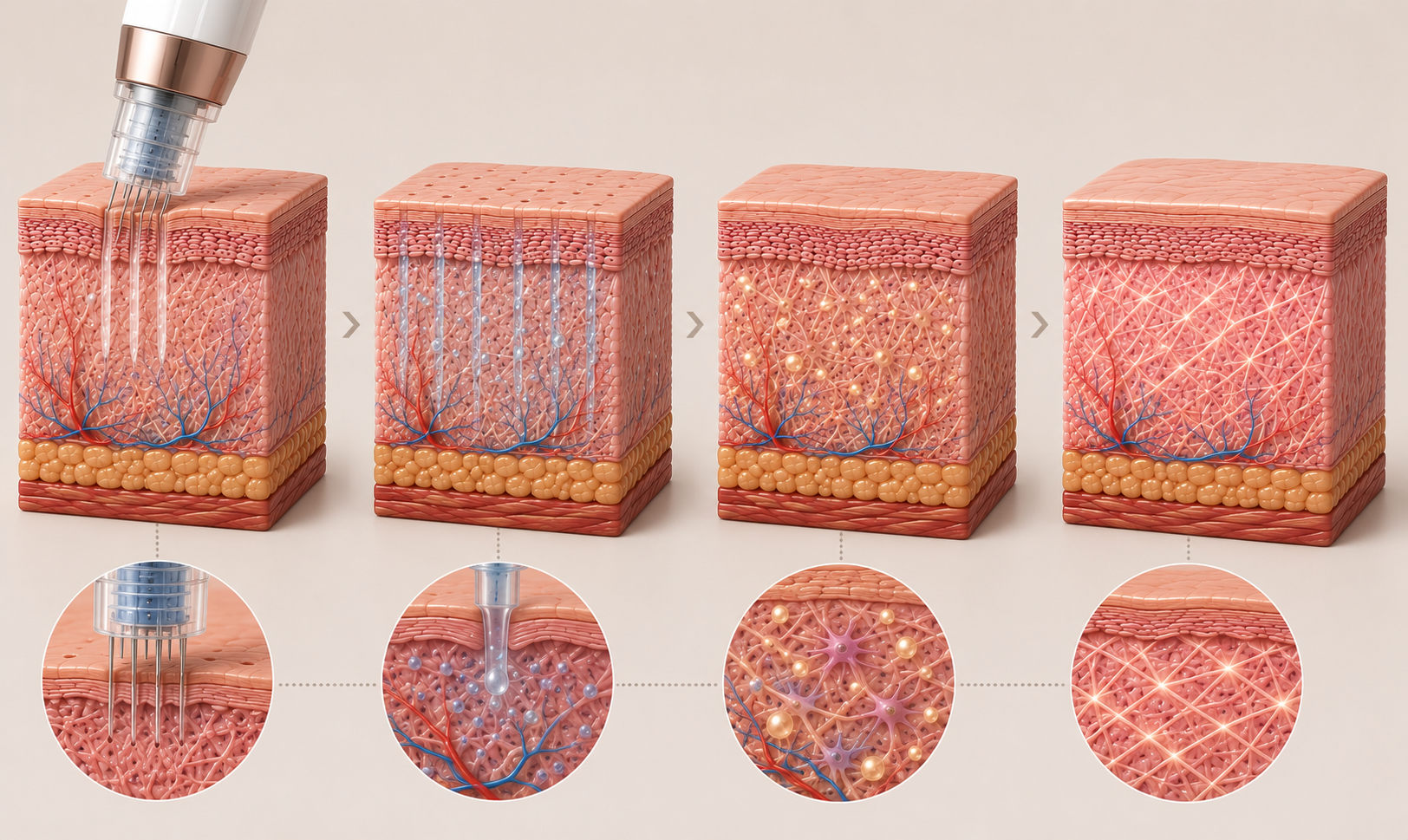
Rexults lists Precision Regenerative Micro-Infusion among its regenerative treatment options. On the clinic's acne scars page, it describes a device-assisted method for placing a mixture of ingredients—including hyaluronic acid, amino acids and collagen-supporting components—into the skin to address selected texture and skin-quality concerns.
This description refers to the clinic's published approach; it does not establish the exact device model, ingredient concentrations, treatment depth or effectiveness for every indication. Those details must be confirmed with the treating doctor.
How Does Device-Assisted Micro-Infusion Differ From an Injection?
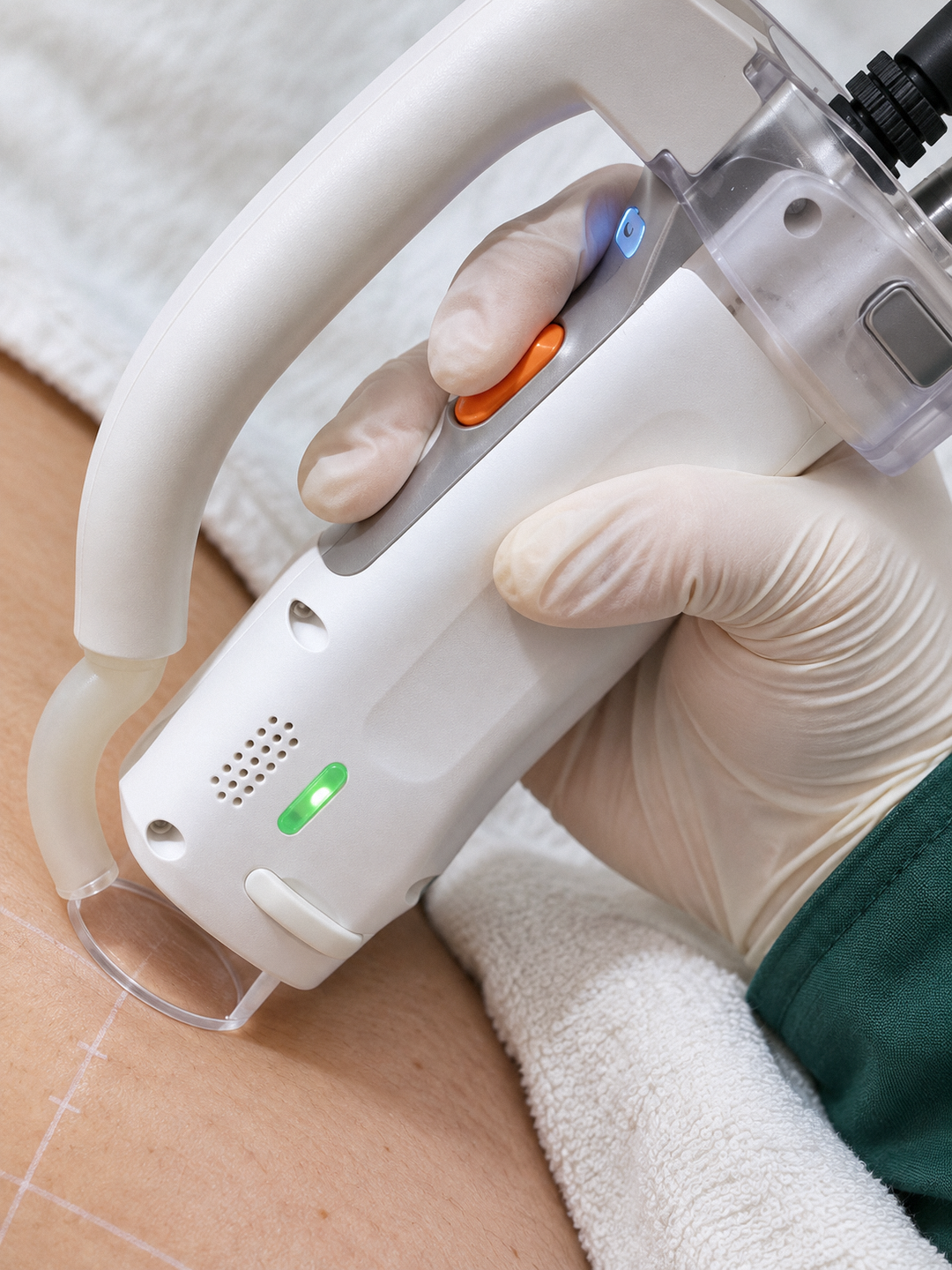
Rather than thinking only about the serum, consider the procedure. A device may create a pattern of small entry points or channels that influence how the selected material is delivered. The type of device, needle geometry, depth, treatment area and sterile technique are all relevant to safety.
The idea behind controlled micro-injury in certain skin procedures is to initiate a healing response. But it would be misleading to assume that every delivery device has the same evidence as conventional microneedling, or that adding a serum necessarily improves outcomes. Some combinations of device and product have not been evaluated together to the same standard as the individual components.
Rexults lists Precision Regenerative Micro-Infusion as a distinct treatment. Its published acne-scar information describes a device-assisted technique, but the exact device, ingredients and indications should still be confirmed with the medical team.
Skin Boosters vs Micro-Infusion: What Is the Main Difference?
The useful distinction is not that one “hydrates” while the other “regenerates”. Both may aim to improve hydration or skin quality. The real difference involves the selected formulation, delivery system, intended depth and reason for treatment.
Which Is More Relevant to Uneven Texture or Acne Scars?
Not all post-acne concerns are scars. Brown or red marks after acne involve pigment or vascular changes; atrophic scars involve loss or rearrangement of supporting tissue. A shallow textural irregularity differs from a deep, tethered rolling scar.
When a patient asks whether a skin booster or micro-infusion treatment is better for acne scars, the answer depends on the scar type and on the specific procedure. A skin booster may improve some aspects of skin quality without reliably correcting depressed scars. A micro-infusion procedure may be considered as one part of a texture-focused plan, but it should not be portrayed as capable of removing all scar types.
Treatment selection is especially important for people with active acne, recurrent pigmentation after inflammation or a personal history of keloids. Different approaches can carry different risks, and the desired result may require several stages of care rather than a single session.
What Does “Regenerative Skin Rejuvenation” Actually Mean?
In aesthetic marketing, regenerative can describe several different concepts: stimulation of wound repair, collagen remodelling, changes in the extracellular matrix or delivery of ingredients intended to support skin function. It is not, by itself, a precise clinical outcome.
A useful medical explanation should distinguish the procedure's proposed mechanism from results actually demonstrated in human studies. For example, an increase in a laboratory biomarker is not the same thing as proven improvement in visible acne scarring. Claims about “stem-cell activation”, permanent collagen renewal or guaranteed regeneration require particularly strong evidence.
For patients, practical questions are often more relevant: What is being delivered? Is the product intended for injection? What device will be used? What measurable change is expected? How many visits are anticipated? And what is the follow-up plan if the skin becomes irritated or hyperpigmented?
Choosing a Treatment for Acne Marks, Scars and Enlarged-Looking Pores
Post-acne discoloration and depressed acne scars often occur together, but they require different assessments. Red marks may reflect persistent vascular changes after inflammation, while brown marks may represent post-inflammatory hyperpigmentation. Depressed scars arise from alteration or loss of dermal support.
A treatment that improves hydration should not be assumed to erase acne scars. Likewise, delivery of regenerative ingredients through a micro-infusion device should not be promoted as a guaranteed correction for deep scars. Scar type, severity and whether active acne is controlled all matter.
People concerned about enlarged pores should also understand that pores are normal skin structures. Procedures may sometimes improve their visible appearance, but they cannot permanently remove them. Oil production and skin inflammation can also influence how prominent they look.
Safety, Skin Tone and Recovery Considerations
Both approaches require attention to infection control, sterile materials and suitable patient selection. Injectable procedures can cause swelling, bruising, nodules, infection or—in rare situations—vascular complications. Procedures involving repeated skin punctures can cause redness, crusting, transient discomfort and post-inflammatory changes in pigmentation.
This is particularly relevant in Singapore's diverse patient population. People prone to post-inflammatory hyperpigmentation may develop dark marks after skin injury, even when an intervention is intended to improve tone or texture. Previous reactions to lasers, peels or microneedling should therefore be disclosed.
Regulatory guidance advises patients considering microneedling devices to discuss the specific device's benefits and risks, including the uncertainty surrounding some combinations with topical products. That guidance supports asking for precise product and equipment information rather than relying on a broad marketing label.
What About Downtime?
A treatment described as minimally invasive may still involve visible redness or small injection marks. Recovery varies with the area treated, depth, formulation and individual skin response. Patients should ask when they can resume exfoliating products, active skincare, strenuous exercise and direct sun exposure rather than assuming all procedures have identical aftercare.
Can Skin Boosters and Precision Micro-Infusion Be Used Together?
Possibly in selected treatment plans, but the clinical rationale must come first. If both procedures aim to improve similar aspects of skin quality, adding a second procedure may increase inconvenience, cost and exposure to adverse effects without a clear additional benefit.
A doctor may instead recommend choosing one technique, treating an underlying condition first or using another modality better suited to the patient's concern. Combining two procedures is not an outcome in itself.
Why the Exact Device and Ingredients Matter
Micro-infusion is a delivery method, and its safety cannot be assessed from the marketing name alone. A doctor should be able to explain the type of device, intended depth, needle or channel mechanism, ingredients, sterility controls and evidence supporting their use together.
It is also important to confirm whether the proposed formulation is intended for injection or for application to intact skin. A topical cosmetic ingredient is not automatically suitable for placement beneath the skin. Introducing substances through a disrupted barrier may change both absorption and risk.
For patients prone to pigmentation changes, a clinician should consider previous reactions to needling, laser procedures or chemical peels and discuss the possibility of post-inflammatory hyperpigmentation. Recovery should be explained for the actual technique being offered, not for an unrelated or more familiar treatment carrying a similar name.
What Should a Consultation Cover?
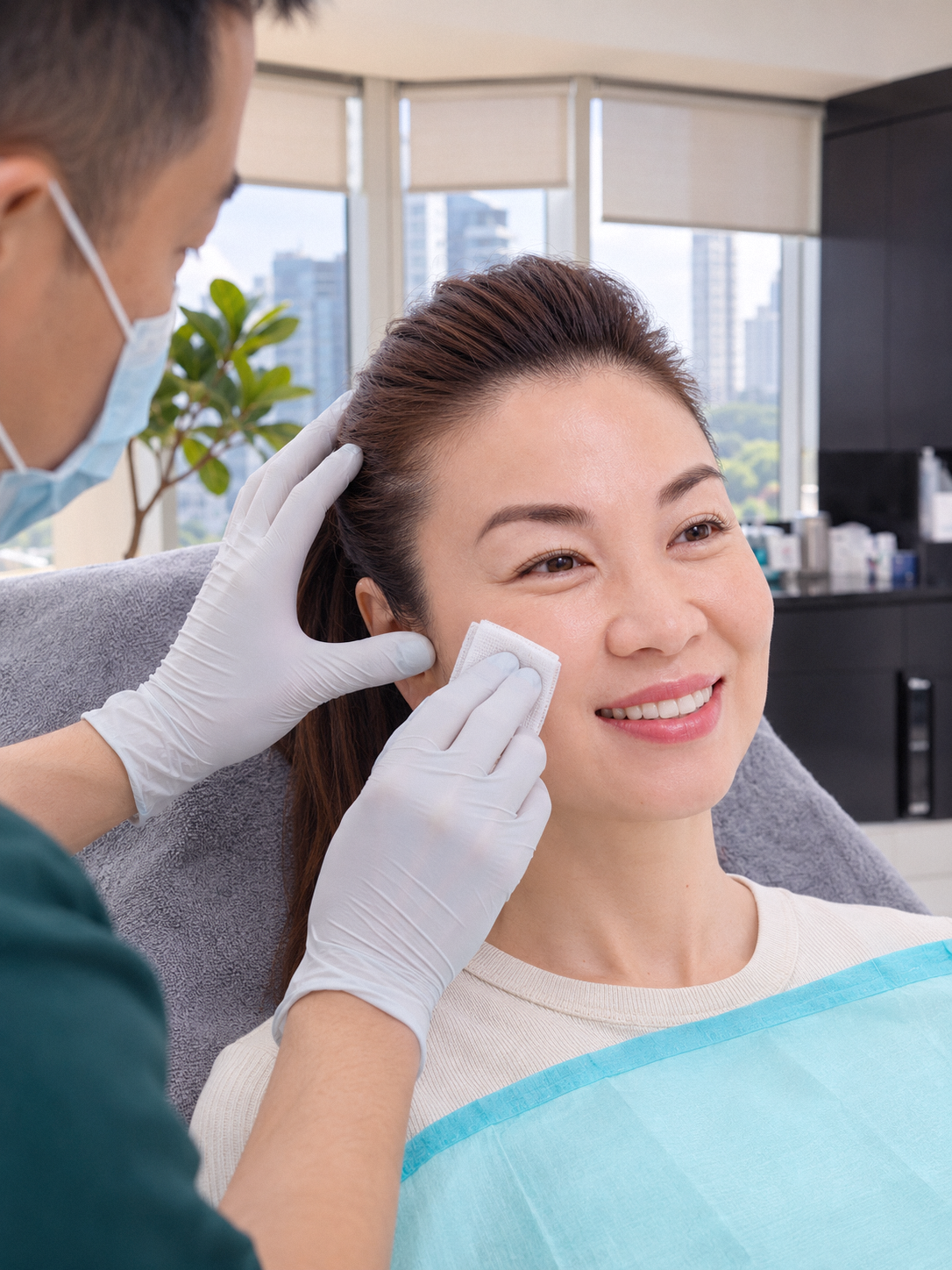
Before deciding on skin rejuvenation treatments in Singapore, patients should understand the distinction between surface dehydration and dermal texture changes. Ask about product names, ingredient concentrations, whether each substance is approved or intended for the proposed route of administration, the device used, sterility, expected response, alternatives and realistic limits.
It is also useful to photograph the relevant skin concern under consistent lighting and agree on what improvement would count as meaningful. This makes it easier to evaluate changes over time without relying solely on an impression of “glow”.
Unsure whether your concern is hydration, texture or post-acne scarring? Arrange a skin assessment with Rexults Clinic to discuss the available treatment approaches and whether an injectable or device-assisted procedure is appropriate.
Skin Rejuvenation Begins With the Right Diagnosis
Skin boosters and Precision Regenerative Micro-Infusion reflect different ways of approaching skin quality. One name principally describes a category of formulations; the other describes a procedure and delivery concept. Neither should be selected solely because it sounds more advanced.
Good skin care also includes photoprotection, appropriately chosen moisturisers and management of active inflammatory conditions. Procedures, when suitable, should support clearly identified objectives rather than replace those basics.
For information about skin boosters, micro-infusion and personalised rejuvenation options in Singapore, contact Rexults Clinic to schedule a medical consultation.
Frequently Asked Questions About Skin Boosters and Precision Micro-Infusion