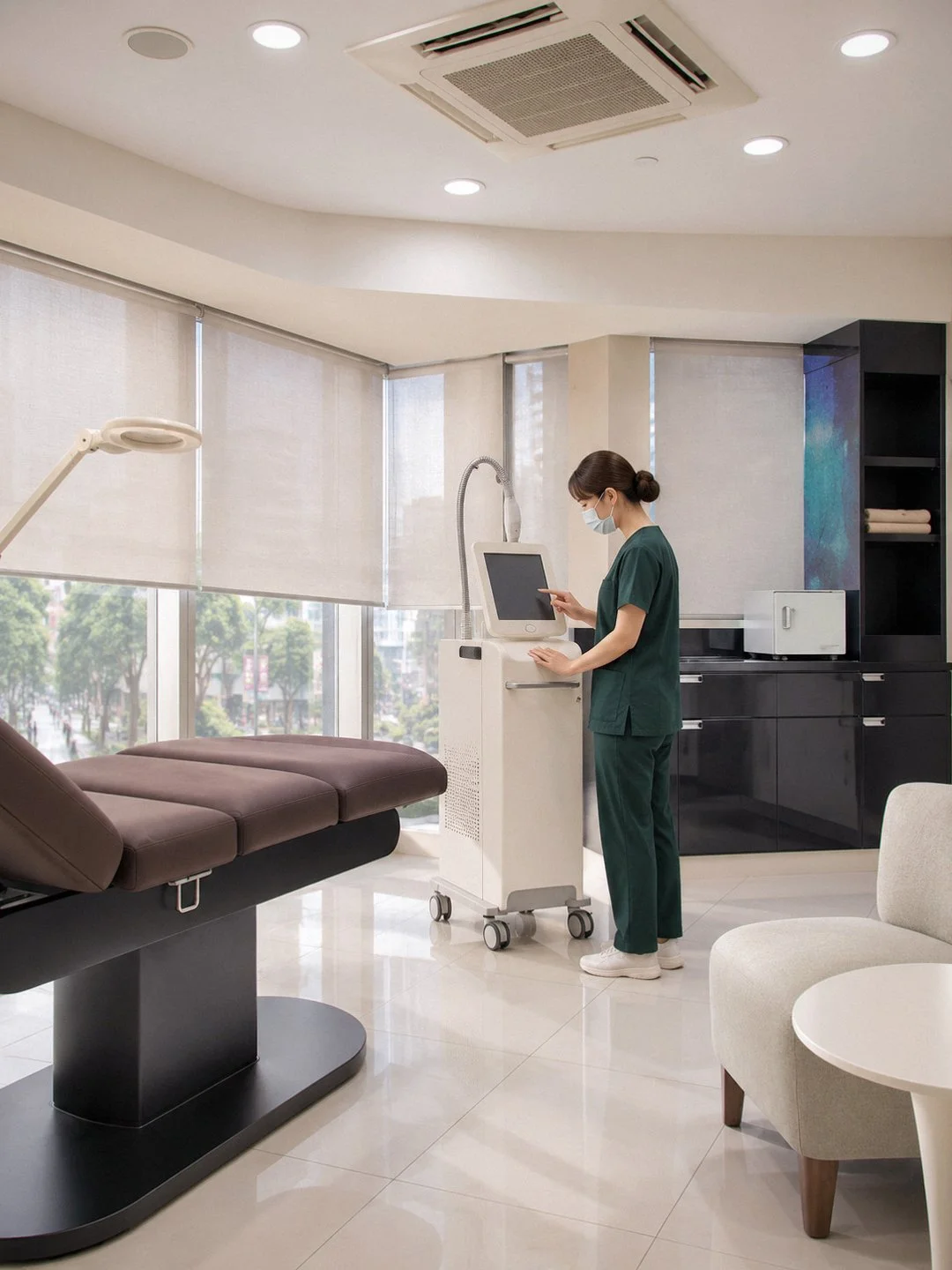
Redness on the cheeks or nose can have several causes. Some people notice fine red lines that remain visible throughout the day; others flush after heat, alcohol or spicy food. Some experience persistent irritation, burning or acne-like bumps. Although these concerns may appear similar in photographs, they do not necessarily respond to the same treatment.
Two technologies that may come up when researching facial redness laser treatment in Singapore are Dual Yellow Laser and Clarity II Laser. Their optical characteristics differ, and they may be considered for different vascular or pigment-related targets. But the presence of red skin does not automatically mean that either laser is necessary.
The key distinction: Dual Yellow systems use yellow and green wavelengths, with yellow light commonly associated with superficial vascular targets. Clarity II combines alexandrite and Nd:YAG technology; selected Nd:YAG settings may be used for certain vascular lesions. The suitability of each depends on what is causing redness, vessel size and depth, skin type and the exact treatment protocol.
Why Facial Redness Needs an Accurate Diagnosis
Facial redness is a description, not a diagnosis. A clinician may need to distinguish between temporary flushing, persistent background erythema, visible dilated vessels, rosacea, dermatitis, acne-related inflammation and other medical conditions.
Someone who experiences stinging after applying skincare might have a compromised barrier or contact dermatitis. Someone with fine, permanently visible lines around the nose may have telangiectasia—small dilated blood vessels. A patient with episodic flushing and inflammatory bumps may have rosacea. These patterns require different clinical decisions.
Rexults' resource on redness and flushed skin introduces the concern. The first useful question is whether the redness comes from the vessels themselves, inflammation of the skin or a combination of factors.
Flushing Is Different From Visible Red Veins
Flushing is usually a temporary increase in skin redness caused by changes in blood flow. It can be triggered by heat, exercise, emotion and other factors. Telangiectasia refers to persistently visible, enlarged small vessels near the surface. A laser that improves some visible vessels may not remove a person's underlying tendency to flush.
That distinction protects patients from unrealistic expectations. It also explains why a clinician might advise controlling a skin disorder or modifying triggers rather than proceeding directly to a device-based treatment.
What Is Dual Yellow Laser?
Dual Yellow systems are associated with copper-bromide technology producing light around 578 nm yellow and 511 nm green in commonly described platforms. Yellow light can interact with haemoglobin-related targets in blood vessels, while the green wavelength may be considered for selected superficial pigment targets.
For suitable vascular concerns, a clinician may use the technology to target selected visible vessels or background redness, with outcomes dependent on device design, settings and clinical indication. This is not the same as saying it treats every cause of facial sensitivity.
Rexults lists Dual Yellow Laser as a current service. Device-specific claims about its treatment parameters, sessions or results should be checked with the clinician providing treatment.
How Does Vascular Laser Treatment Work?
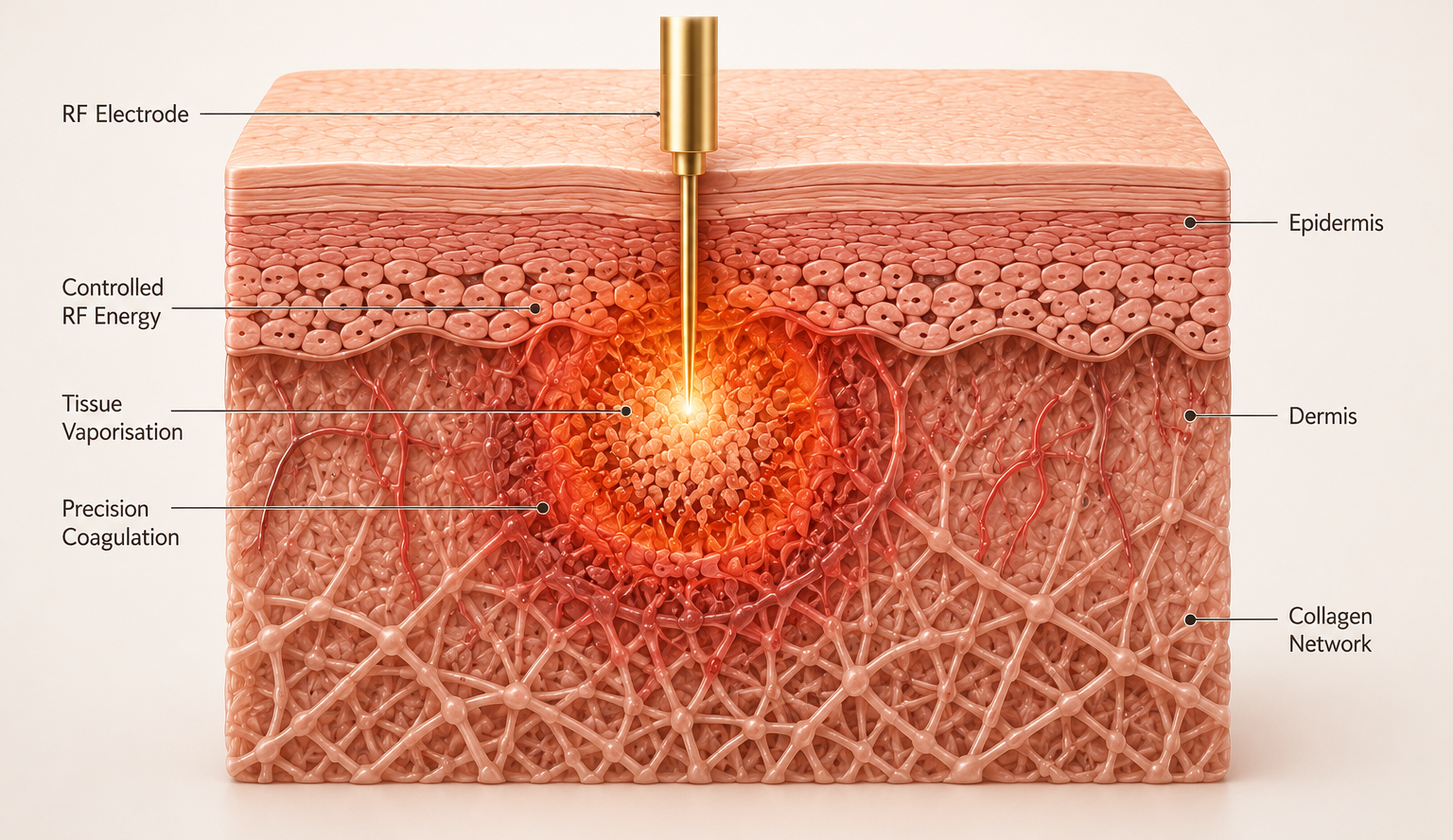
Laser light absorbed by an appropriate chromophore—such as haemoglobin—can produce controlled heating within targeted vessels. Clinical settings aim to influence the unwanted vascular feature while limiting damage to surrounding tissue. The balance depends on wavelength, delivered energy, pulse duration, skin tone and vessel characteristics.
Not every visible red area is a single blood vessel. Diffuse erythema can involve inflammation or many small vessels. A treatment should therefore specify its target and what improvement is realistically expected.
What Is Clarity II Laser?
Clarity II is a dual-wavelength platform using 755 nm alexandrite and 1064 nm Nd:YAG technology. The wavelengths have different absorption and penetration characteristics. In vascular practice, appropriate long-pulsed Nd:YAG systems may be considered for certain deeper or larger vessels, although facial vessel treatment must be carefully selected and is not without risk.
The mere availability of a 1064 nm wavelength does not mean every Clarity II session is a vascular treatment or that the platform is a substitute for medicines used to manage inflammatory rosacea.
More information about the equipment can be found on Rexults' Clarity Laser II treatment page. The precise indications and settings should be confirmed with the clinic rather than assumed from the technology name.
Why Is Vessel Depth Important?
Light absorption and depth affect which vessels may be targeted. Small superficial red lines and deeper, thicker blue-toned vessels may require different settings or other modalities. A laser that works for one type of vessel may not be appropriate for another, especially near delicate facial areas.
A clinician should assess vessel pattern, surrounding skin pigmentation and whether the visible redness is actually caused by vessels. Incorrect selection can lead to burns, pigment change or inadequate improvement.
Dual Yellow Laser vs Clarity II: A Redness-Focused Comparison
A meaningful comparison is not simply 'which laser is stronger'. It considers the nature of the vascular target, the wavelengths used, limitations and the patient's skin condition.
Which Laser Is Better for Visible Facial Blood Vessels?
There is no single preferred choice for every facial vessel. Published dermatology guidance discusses several vascular technologies, including pulsed dye, KTP-type, copper-bromide and appropriately selected Nd:YAG lasers. Different devices can be useful for different vessel sizes and locations, and the evidence supporting one wavelength cannot automatically be transferred to another.
For example, a very fine superficial vessel may require a different optical approach from a more deeply situated vessel. Baseline skin pigmentation and a history of pigmentation after inflammation also influence the balance of benefit and risk.
The patient should be told which visible finding the doctor is targeting and how improvement will be assessed. A reduction in a particular red vein is not the same as curing a chronic flushing condition.
What If the Redness Is Caused by Rosacea?
Rosacea can involve persistent central-facial redness, episodes of flushing, visible vessels and, in some people, inflammatory papules and pustules. The symptoms can overlap but may require different treatments. Some patients benefit from avoiding personally relevant triggers, gentle skin care and prescription therapies. In selected cases, vascular laser or intense pulsed light treatment may be discussed for persistent erythema or vessels.
Lasers do not cure rosacea itself. A patient may still flush after heat or experience new inflammatory symptoms. Treatment should therefore address the underlying disorder, not just a photograph of the face.
Does Sensitive Skin Need a Laser?
Not necessarily. Skin that burns with ordinary skincare, becomes dry after cleansing or shows patchy irritation may have a barrier-related problem. Adding laser treatment before managing irritation may not be appropriate. Rexults' page on environmentally stressed skin is relevant to people whose skin reacts to environmental or product-related influences.
A medical assessment can help distinguish active eczema, contact reactions or rosacea from vascular changes. In some cases, reducing irritating products is more important than selecting between two laser platforms.
Facial Redness and Pigmentation Can Occur Together
Some people have brown marks alongside redness, especially after acne or chronic inflammation. However, the presence of both colours does not necessarily justify using multiple lasers. A clinician should determine which concern is active, which is a residual mark and whether treating one could aggravate the other.
Rexults also provides an overview of pigmentation concerns. Treating brown melanin-related marks and red vascular features can require different considerations, and some skin disorders have components of both. The sequence should depend on diagnosis and skin tolerance.
What Should Patients Expect During Laser Treatment?
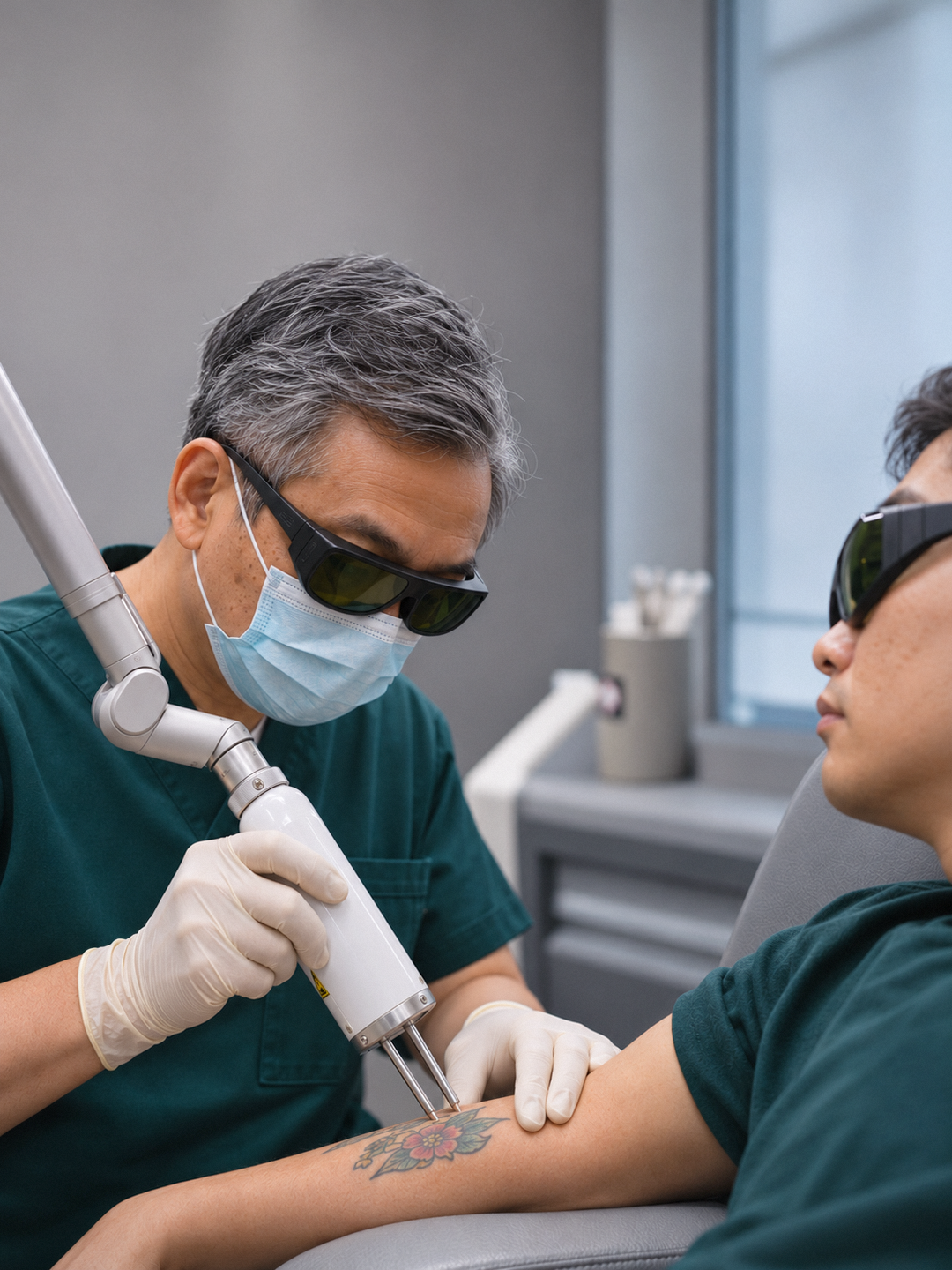
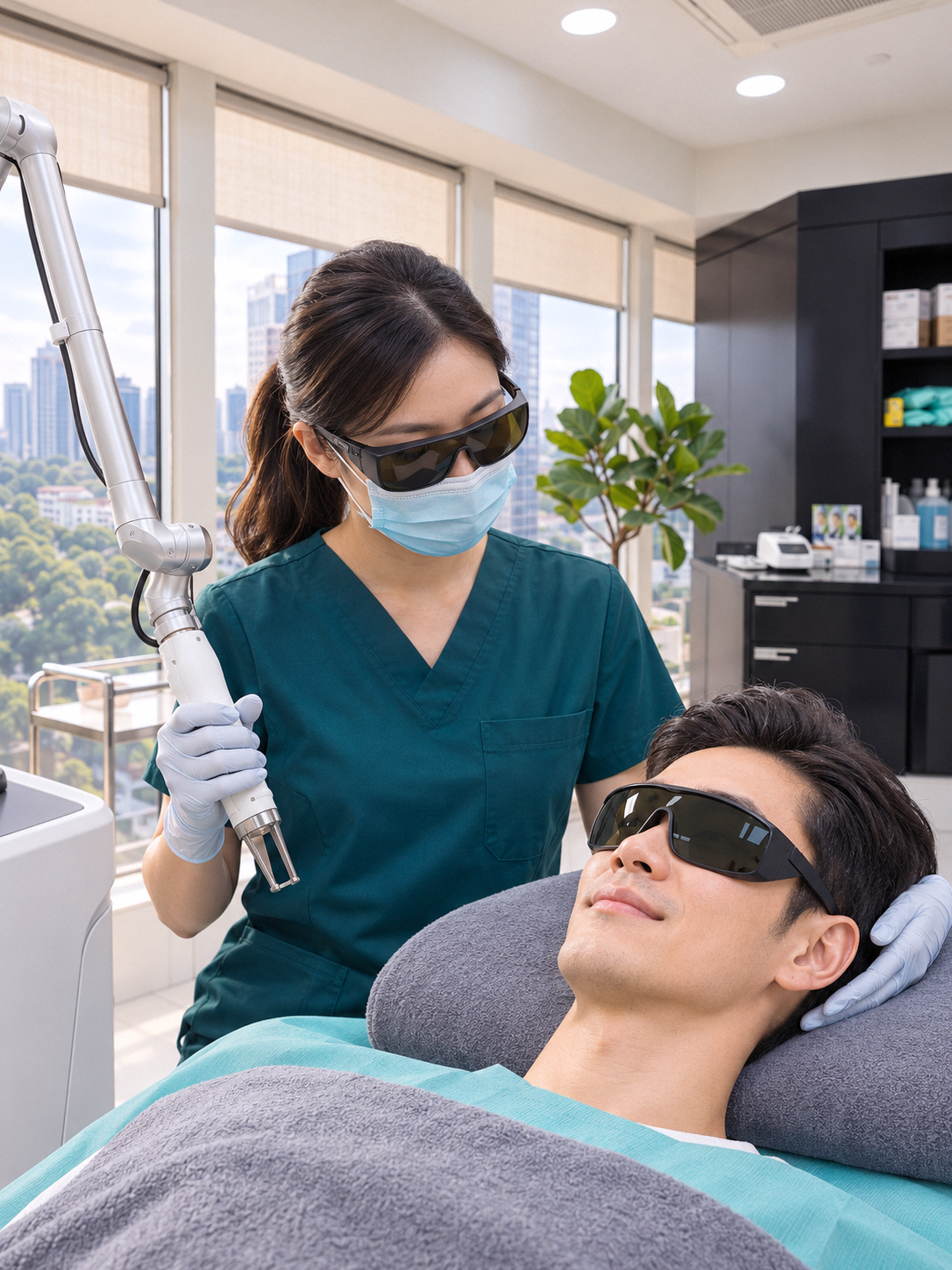
A consultation should include medical history, previous procedures, current medications and the exact location of redness. Skin may be cleansed, and appropriate eye protection is required. Depending on the technology and settings, patients may feel warmth or brief discomfort while treatment is delivered.
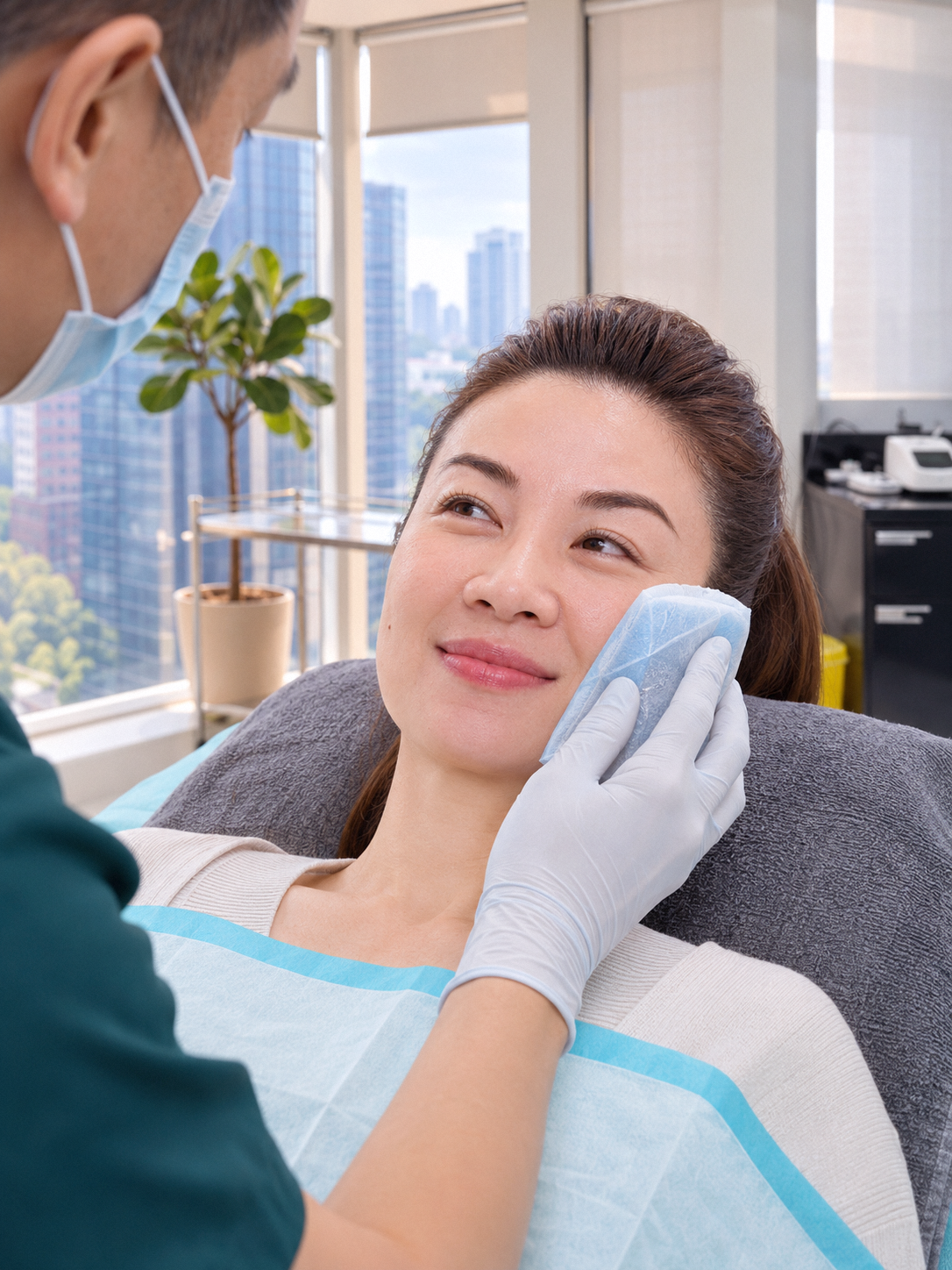
Afterward, temporary redness, swelling or tenderness may occur. Some vascular treatments can cause purpura (bruising) or small crusts. Less common but significant risks include burns, scarring, post-inflammatory hyperpigmentation or hypopigmentation. The risks vary by device and individual skin characteristics; 'non-invasive' does not mean risk-free.
How Long Does Recovery Take?
There is no universal recovery time. Mild settings may cause transient redness, while treatment of particular vessels can create more visible changes. Patients need specific aftercare advice about moisturisers, sun exposure, skincare actives and when to seek review. Unexpected severe pain, blistering or worsening inflammation should be assessed rather than assumed to be normal.
Can Dual Yellow and Clarity II Be Combined?
Combining devices may be considered in selected circumstances, but routine combination should not be presented as superior. The potential benefit must be balanced against increased procedural exposure and risk of irritation. Some patients may require no device treatment at all.
Rexults lists a Redness Recovery Programme. A structured clinical discussion can help patients understand whether their issue is vascular, inflammatory, barrier-related or mixed, and whether a treatment plan should include laser, skincare or another intervention.
Why Singapore's Climate Matters for Flushing
Hot outdoor weather, exercise and frequent movement between hot and air-conditioned environments may act as triggers for some people with reactive skin. However, triggers vary widely; not every facial flush is caused by weather or rosacea. Keeping track of symptoms and personal triggers can help a doctor identify patterns.
Patients should also consider sun protection, avoiding irritating products and following any prescribed therapy for diagnosed skin conditions. A laser aimed at visible vessels cannot replace these measures.
Questions to Ask Before Booking a Redness Laser Consultation
Ask what is causing the redness, whether visible vessels are present, what result each technology could reasonably achieve and what symptoms are unlikely to improve. Discuss skin tone, previous PIH, downtime, number of sessions and other available treatments. It is also helpful to ask how the condition will be managed if new vessels or flushing develop later.
The clinic's approach to individualized assessment can be explored in Dr E.P. Wong’s doctor profile. The central consideration is matching the problem to an appropriate plan, not assuming that red skin always needs laser.
If facial redness has persisted or is affecting your comfort, request an assessment with Rexults Clinic to clarify the cause and discuss options.
Choosing a Treatment for Facial Redness in Singapore
Dual Yellow and Clarity II differ in optical technology and potential target selection. Neither is a blanket solution for rosacea, flushing, sensitive skin or visible veins. An accurate diagnosis helps avoid unnecessary procedures and leads to more meaningful expectations.
If vascular laser treatment is considered, the exact vessel, settings, risks and aftercare should be explained. Some people will benefit more from targeted skincare or medical therapy than from a procedure. Addressing the cause matters more than comparing the names on two machines.
For an individual discussion of redness or visible facial vessels, contact Rexults Clinic through its official WhatsApp consultation link.