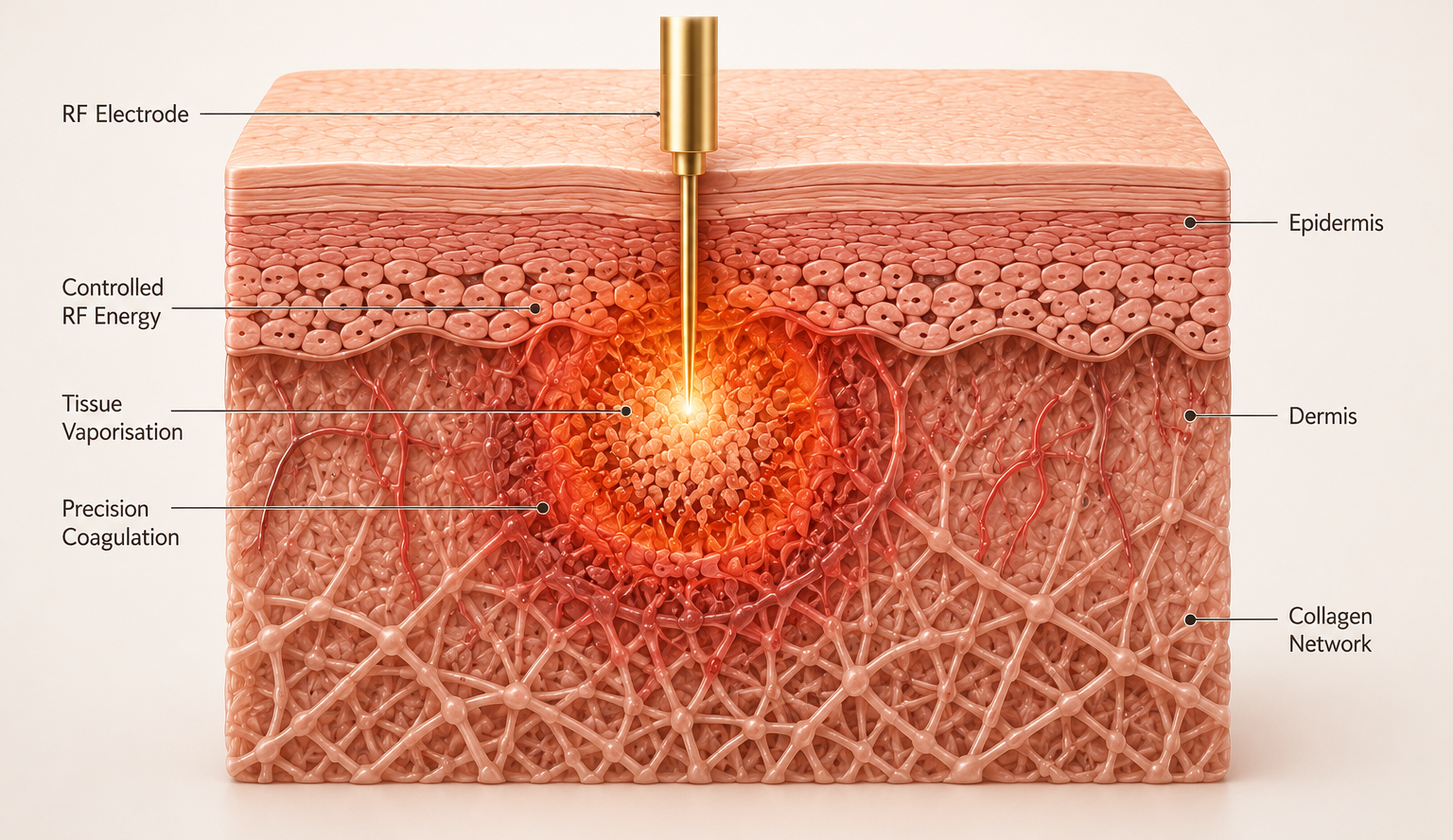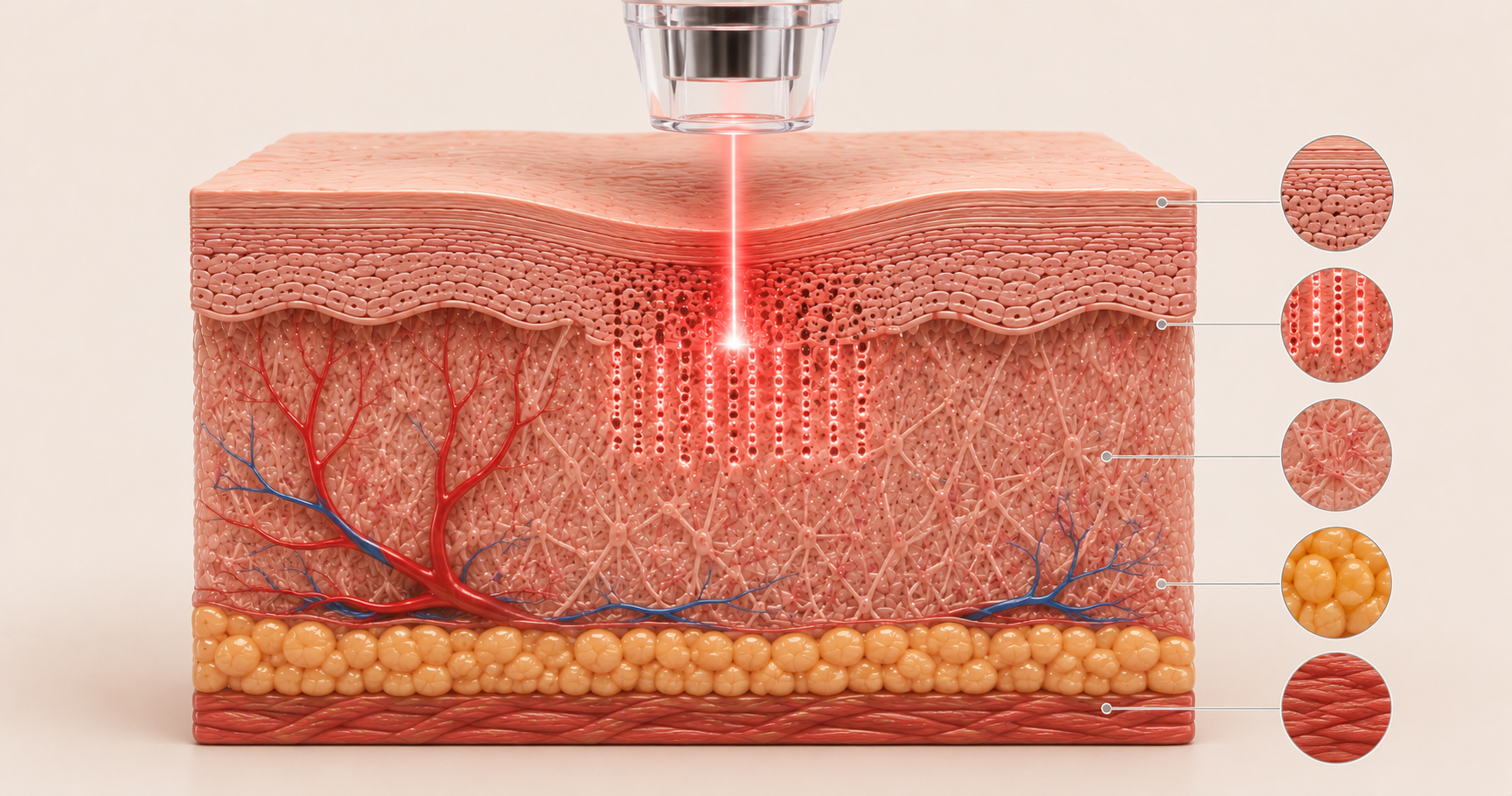
Scar depth helps determine whether ReviFrax® fractional resurfacing is suitable and which scars may need a different approach. A broad shallow depression and a narrow deep pit can both be acne scars, yet they involve different changes below the surface. A clinician assesses depth alongside the shape of the edges, the attachment of the skin underneath and your tendency to develop pigment changes.
People researching ReviFrax® in Singapore often describe their main concern as uneven texture. To make the discussion more concrete, point out the two or three scars you notice first. Tell the doctor if they become more visible in side light, stay obvious in daylight, or look different when you move your face. A useful consultation links the proposed method to specific scars and explains where its effect may be limited.
What does the shape of an acne scar tell the doctor?
Ice pick scars are typically narrow and deep. Boxcar scars have more defined edges and vary in depth. Rolling scars tend to have broader, sloping edges and can be associated with attachments below the skin that pull the surface inward. A face can have all three types, as well as flat brown or red marks and active acne. Each can cast or create a different visible pattern.
The doctor may examine how the skin moves when gently stretched and how contours look under angled light. Scar shape often becomes easier to judge after separating colour from indentation. If the main concern is a dark mark that feels flat, discuss it separately from the dents. The clinic’s guide to acne scars can help you describe the scars more precisely before the visit.
Where does fractional resurfacing fit?
Fractional laser resurfacing creates controlled treatment zones separated by areas of skin that are left untreated. How extensively it is used and how the skin heals depend on the technology, settings and treatment plan. The aim may be to soften scar edges or improve the way the surrounding surface reflects light. Ask what the doctor hopes to see on the cheeks, temples or jaw specifically.
A deep narrow scar may need an approach that targets the pit more directly. If a broad indentation is tethered to tissue underneath, a clinician may discuss releasing the attachment. These decisions can change the order of procedures and the recovery you should allow. Discuss broader skin tone and texture concerns separately if colour, roughness or pores are also part of your goal.
Why might treatment be staged?
If you still get inflamed or deep spots, addressing active acne can reduce the chance of new scars forming while you work on existing ones. Once the skin is more stable, the clinician can see which depressions and marks remain. A staged plan also allows the doctor to review how your skin reacts before deciding whether to repeat a procedure or add another approach.
The sequence varies. One person may want to treat a small group of deep scars while leaving the rest alone. Another may prioritise more even cheek texture and accept that some pits will remain visible. Clear priorities help you weigh the benefits against time away from sport or work, the number of visits and the possibility of colour changes.
How do you judge improvement fairly?
Use comparable photographs and allow the time your clinician recommends for review. Early swelling can temporarily change the way dents look. Lighting from one side may make old shadows seem sharper. Compare the same cheek at the same angle and note which of the scars you marked at the first visit look different.
Ask upfront which scars are likely to remain noticeable and what additional treatment would involve. Tell the clinician if a treatment previously left a lasting dark patch, if your wounds tend to form raised scars, or if you take medicines for acne. These details matter when planning aftercare and selecting the areas to treat first.
What to bring to a scar consultation in Singapore
Bring an acne timeline, recent photographs and the names of any previous procedures. Mention work or exercise that would make wound care or sun protection difficult. Ask whether the scars can be assessed by type and site, and when a review would show meaningful change. If you only want to treat one cheek or a small area, ask how that affects the proposed plan and what you can learn from the result.
What if different parts of your face have different scars?
Tell the clinician where the result matters most and what you notice in ordinary situations. A cheek with broad depressions may look more uneven under overhead office lighting. At the temple, two deep pits might be visible in softer light even if most of the surface looks smooth. That difference can lead to two distinct conversations about what treatment is intended to accomplish.
Ask whether the same technique will be used everywhere or whether the doctor would treat only the areas with suitable scars. Also ask how your skin usually responds to inflammation. If minor injuries leave darker marks for months, treating a smaller area first or changing the sequence may be worth discussing. Read about how Rexults plans customised laser treatments for context on why your assessment can lead to different recommendations in different areas. A clear plan should name the target areas and explain how the doctor will judge each one at follow-up.