A brighter complexion does not always require a stronger procedure. Skin that looks dull, rough or uneven may be affected by a disrupted moisture barrier, an underlying skin condition, sun exposure or changes in surface cell shedding. Different concerns call for different kinds of care. This is why a daily skin-health programme and a medical grade chemical peel should not be treated as interchangeable solutions.
Rexults Clinic's Healthy Skin Solution™ describes a broader, doctor-guided approach involving skincare and selected aesthetic care. A medical grade peel is a specific, time-limited procedure that uses a chemical solution to produce controlled exfoliation. A patient may discuss either approach, or both within a wider management plan, but a peel is not automatically necessary simply because someone has enrolled in a skin programme.
In brief: a skin-health programme concentrates on assessment, ongoing habits and treatment selection over time; a medical grade peel targets selected skin concerns through controlled exfoliation. The clinical question is not which one is universally better, but what the skin needs and what it can safely tolerate.
What Does Healthy Skin Mean Beyond a Clear Complexion?
Skin is an organ that acts as a physical and immunological barrier. Its outer layer, the epidermis, limits water loss and helps protect against irritants and microorganisms. Below it, the dermis contains structural components including collagen and elastin. How skin looks depends partly on how well these layers function, not merely on how quickly dead cells are removed.
A healthy skin-care routine may therefore need to address dryness, irritation, acne, pigmentation or ultraviolet exposure before considering a procedure. Someone with tight, stinging skin might need gentle cleansing and moisturisation; someone with recurrent blocked pores may need an assessment of acne-prone skin. Both may describe their complexion as 'dull', despite having different needs.
Rexults has a dedicated page on dry and dehydrated skin, an especially useful distinction because dry skin and dehydrated skin are not the same thing. Dehydration refers to low water content, while dryness is commonly associated with insufficient skin lipids. Neither automatically indicates that chemical exfoliation is appropriate.
Why Singapore's Climate Does Not Produce One Universal Skin Type
High outdoor humidity does not prevent people from developing dry or reactive skin. Frequent air-conditioning, cleansing habits, ultraviolet exposure and individual skin conditions can all affect comfort. An oily complexion may still feel dehydrated. A person using strong exfoliating products may develop irritation even without visible dryness. Treatment decisions should follow the condition observed, rather than the weather or an assumption about all Singapore residents.
What Is Rexults Clinic's Healthy Skin Solution™?
The Healthy Skin Solution™ is described by Rexults as a signature skin-care approach combining doctor-prescribed skincare with selected aesthetic therapies. Its emphasis is on evaluating skin needs, developing an individual plan and reviewing skin condition over time. It is a programme rather than a single device, drug or one-off procedure.
The programme's exact products and appointment schedule should be confirmed with the clinic because recommendations may change according to the patient's skin condition. A treatment list published for one individual or an earlier programme version should not be interpreted as a fixed package for everyone.
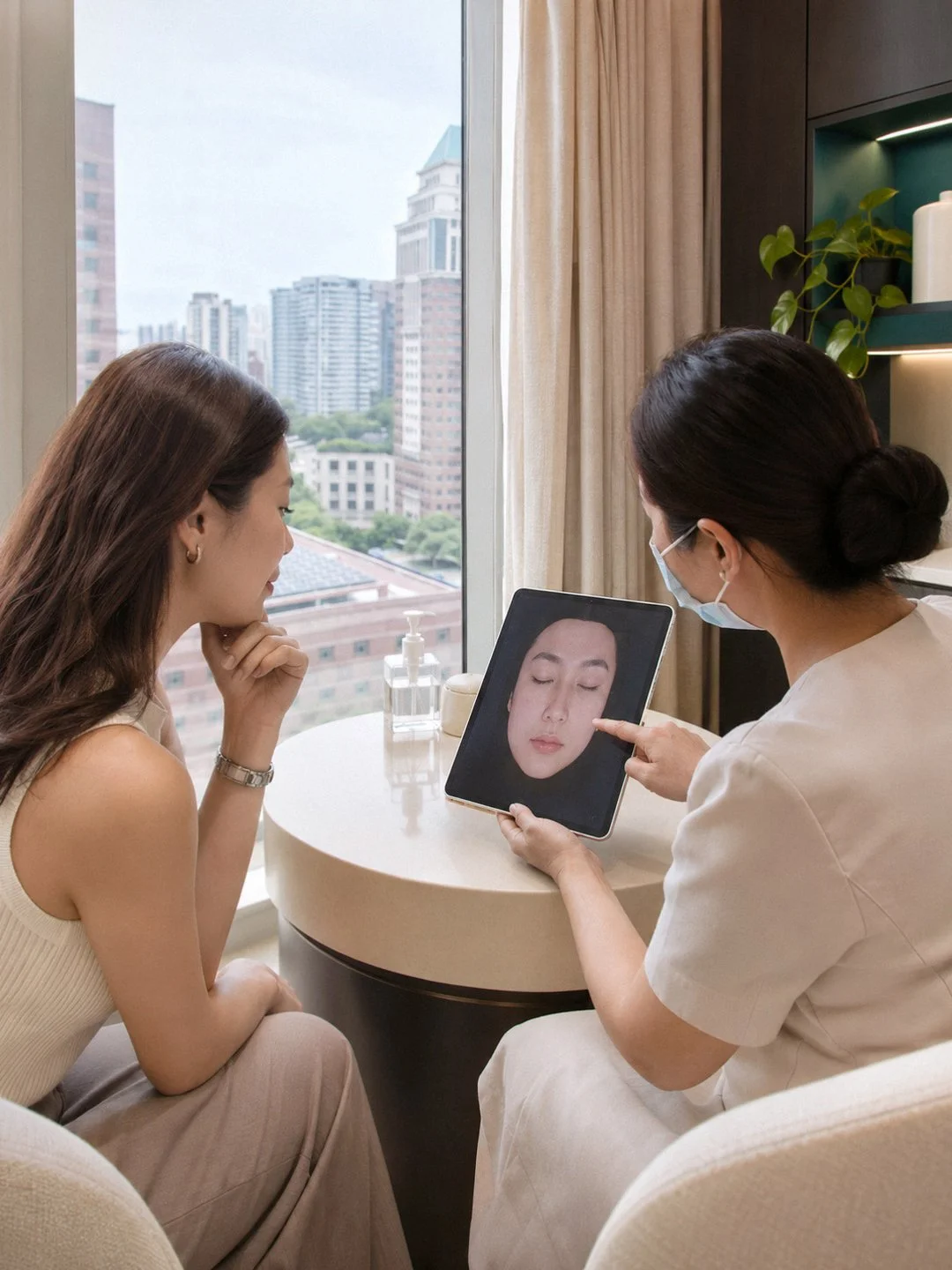
Rexults provides the current programme destination at Healthy Skin Programme. A consultation can clarify whether home care alone is reasonable, whether medical treatment of a skin condition is required, and whether any clinic-based procedure belongs in the plan.
What Is the Role of Doctor-Guided Skincare?
A doctor-guided regimen may involve selecting a cleanser, moisturiser, sun protection and targeted products after assessing the condition. Targeted products might be recommended for acne, pigmentation or a barrier concern, but ingredients and frequency should be tailored to the patient. The goal is to achieve a routine that can be sustained without causing avoidable irritation.
This matters because adding several active products at once can make it difficult to determine which ingredient caused redness or discomfort. More products do not necessarily provide more benefit. Follow-up and changes to the routine may be as important as the original recommendation.
Is There a Fixed 42-Day Skin Renewal Cycle?
Skin cells undergo renewal, but there is no universal 42-day clock applicable to every person. Turnover varies with age, anatomical location, skin condition and how it is measured. A change in visible skin texture cannot reliably be predicted from a single fixed cycle. It is more accurate to assess actual response and tolerance over time than to promise a complexion transformation by a precise date.
What Is a Medical Grade Chemical Peel?
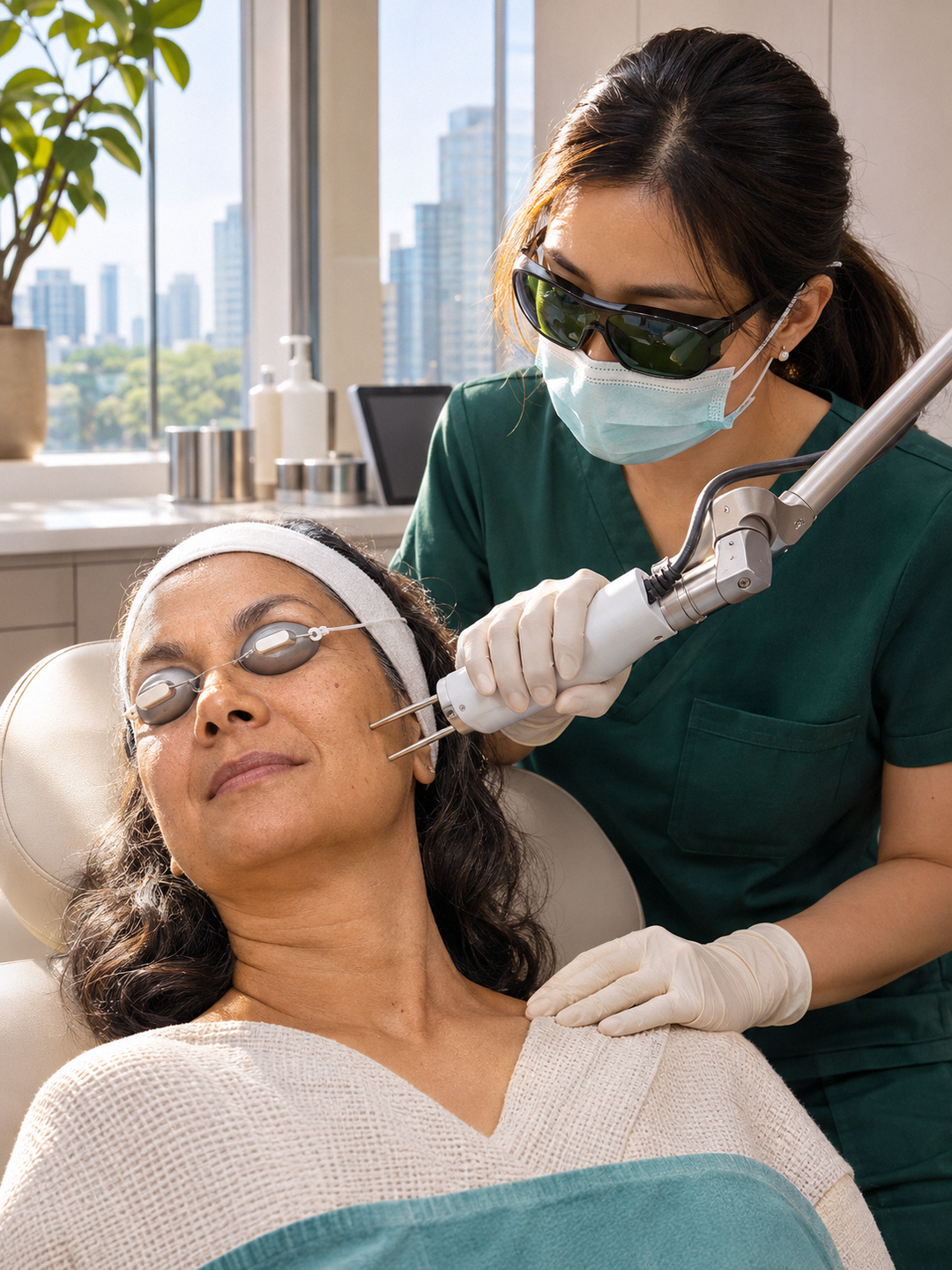
A medical grade peel is a procedure in which a trained clinician applies a chosen chemical solution to produce controlled exfoliation or injury at a defined depth. Different agents, concentrations and application methods produce different effects. Superficial peels are not equivalent to medium-depth or deep peels, and the recovery and risk profiles differ substantially.
A peel may be considered for selected concerns such as surface roughness, some types of acne or certain pigmentation problems. However, a peel is not simply 'extra cleansing'. It is a medical procedure with the possibility of irritation, pigment alteration and other complications.
The clinic's Medical Grade Peel treatment page explains its service. During assessment, patients should ask which peel is being proposed, what concern it is intended to address, how much redness or peeling is expected and what aftercare is required.
What Happens to the Skin During a Peel?
Depending on the agent used, the skin experiences controlled chemical exfoliation at a chosen depth. This can temporarily alter the outer barrier and produce redness, tightness, dryness or visible shedding. The intended result is not measured by the amount of skin flaking away: a mild peel may cause little visible peeling, while severe burning or persistent pain is not a sign of superior effectiveness.
Skin that has recently been irritated by retinoids, other acids, sun exposure or an existing inflammatory condition may be more vulnerable to unwanted effects. The clinician should review these factors before treatment.
Healthy Skin Solution vs Medical Grade Peel: A Practical Comparison
The most useful comparison is ongoing skin management versus a targeted exfoliation procedure. They can occupy different roles in a plan without competing to achieve exactly the same outcome.
When Might a Skincare Programme Be the Better Starting Point?
A patient describing general dryness, recurrent irritation or inconsistent skincare may benefit from assessment and simplification before any procedure is considered. If an impaired barrier is contributing to visible dullness, adding a peel prematurely can worsen discomfort. A programme can help identify which products are suitable and whether a medical diagnosis is needed.
Someone concerned about dull or sallow skin may also have a combination of factors, including dryness, uneven pigment or rough surface texture. It is worth identifying the cause instead of treating the appearance as a diagnosis. A more intensive procedure is not necessarily more effective when the primary issue can be addressed through routine changes.
Does a Skincare Programme Replace Medical Treatment?
No. Persistent inflammatory acne, worsening dermatitis, changing pigmented lesions or other medically significant conditions may require diagnosis and treatment that cannot be replaced by cosmetic products. The purpose of a proper programme is to select the appropriate care, not to avoid medical evaluation when it is indicated.
When Might a Chemical Peel Be Considered?
A clinician may consider a particular superficial peel when an identifiable concern could reasonably respond to controlled exfoliation. Examples include selected roughness, acne-related congestion and certain superficial pigment irregularities. The type of chemical, depth and interval should be selected according to the skin condition and risk profile.
For people with uneven skin tone and texture, the cause matters. Brown marks caused by post-inflammatory pigmentation are different from depressed scars or active acne lesions. A peel that may help with superficial texture is unlikely to erase deeply tethered acne scarring. Pigmentation that worsens with irritation deserves especially cautious planning.
Can a Chemical Peel Improve Skincare Absorption?
Exfoliating the outer skin can alter how topical products interact with the surface, but this does not mean products should be applied indiscriminately after a peel. The temporary barrier disruption can increase irritation from acids, retinoids or fragranced products. Post-peel products and their timing should follow the clinician's instructions rather than claims that stronger absorption is always beneficial.
What Are the Risks and Recovery Differences?
A home-care programme may cause irritation if a product is unsuitable, but a chemical peel adds procedure-specific risks. Common short-term effects include redness, tightness and flaking. Less common complications include prolonged inflammation, infection, scarring and post-inflammatory hyperpigmentation or hypopigmentation. Risk depends on the peel depth, skin characteristics and practitioner expertise.
People prone to darker marks after inflammation should discuss that history before a peel. This is especially relevant when managing photo-damaged skin or other pigmentation-related concerns in a climate with year-round ultraviolet exposure.
Aftercare Matters as Much as the Procedure
A clinician may recommend avoiding certain exfoliating products or retinoids for a period, using bland moisturisers and protecting the skin from sun exposure. The advice depends on the peel and the person's recovery; one universal aftercare timeline cannot be assumed. Patients should not scratch or forcibly remove peeling skin. A programme that includes appropriate aftercare can be useful, but a peel should never be rushed because of a publishing schedule, holiday or social event.
Can Healthy Skin Solution and Medical Peels Be Used Together?
Potentially, if a medical assessment identifies a suitable reason. A programme may provide the routine, education and follow-up within which a particular procedure is considered. That does not mean every participant needs chemical exfoliation or that combining approaches guarantees a better outcome.
There are also circumstances in which the sensible decision is to postpone a peel: active irritation, an unstable barrier, recent excessive exfoliation, certain medications or a condition that warrants other treatment first. Individual assessment should determine timing and sequencing.
The clinical history behind Rexults' skin-care approach can be explored through Dr E.P. Wong’s profile. The relevance of a medical perspective is in assessment, realistic expectations and appropriate selection of care, rather than a promise that any programme works identically for every patient.
Questions to Ask Before Choosing a Skin Programme or Peel
A helpful consultation begins with a clear description of the concern: when it appeared, what makes it worse, which products are being used and whether previous procedures caused irritation or darkening. Patients can ask what diagnosis is being considered, whether a peel is necessary, what results are realistic and which alternatives exist.
They should also understand the exact product or procedure proposed, aftercare requirements, possible adverse effects and costs. A plan is easier to follow when the reasons behind each step are explained.
Interested in understanding whether daily care, a peel or both are appropriate? Arrange an individual skin consultation with Rexults Clinic to discuss your skin condition and treatment options.
Long-Term Skin Health Is a Process, Not a Single Session
The relationship between Healthy Skin Solution™ and a medical grade peel is best understood as one between an ongoing strategy and an optional intervention. A regular routine can support barrier function, manage recurring concerns and provide a framework for assessing change. A chemical peel may offer a targeted option for selected indications, but requires a separate discussion of suitability and risk.
The right plan may involve home care alone, a procedure at an appropriate stage or medical treatment of an underlying condition. In every case, skin health should remain more important than the number of treatments performed.
To discuss a personalised skin-care approach in Singapore, contact Rexults Clinic via its official consultation WhatsApp channel.