Dual Yellow Laser may be considered for selected small visible facial vessels. Often called broken capillaries, these fine red or purple lines are commonly dilated surface blood vessels, also known as telangiectasia. A clinician first confirms what the lines represent, whether they are part of another skin condition and whether a vascular laser is appropriate for the area and your skin.
Knowing which feature you want addressed makes the consultation more useful. Point out the individual lines that bother you and describe any wider background redness separately. You may search for Dual Yellow Laser because a red line beside the nostril looks more obvious than it used to. Explain if it remains visible when you are cool and comfortable, or if it mainly appears after exercise. That distinction helps define what should be assessed.
What do facial telangiectasias look like?
Telangiectasias can appear as short red lines, delicate branches or clusters of small vessels. They may be easiest to see around the sides of the nose or on the cheeks. A round red bump or a patch that changes in size calls for its own examination. Appearance at home can offer a clue, but a diagnosis depends on examining the spot and understanding its history.
Use the same lighting and distance if you record photographs. Side lighting and camera sharpening can exaggerate fine lines. Keep a photo taken when your skin is at rest, plus a separate image of a typical flare if you also have redness or flushed skin. Bring earlier images if you want the clinician to judge when the lines first became visible. Mention itching, pain or bleeding even if you initially booked to discuss colour.
How can a vascular laser affect a visible vessel?
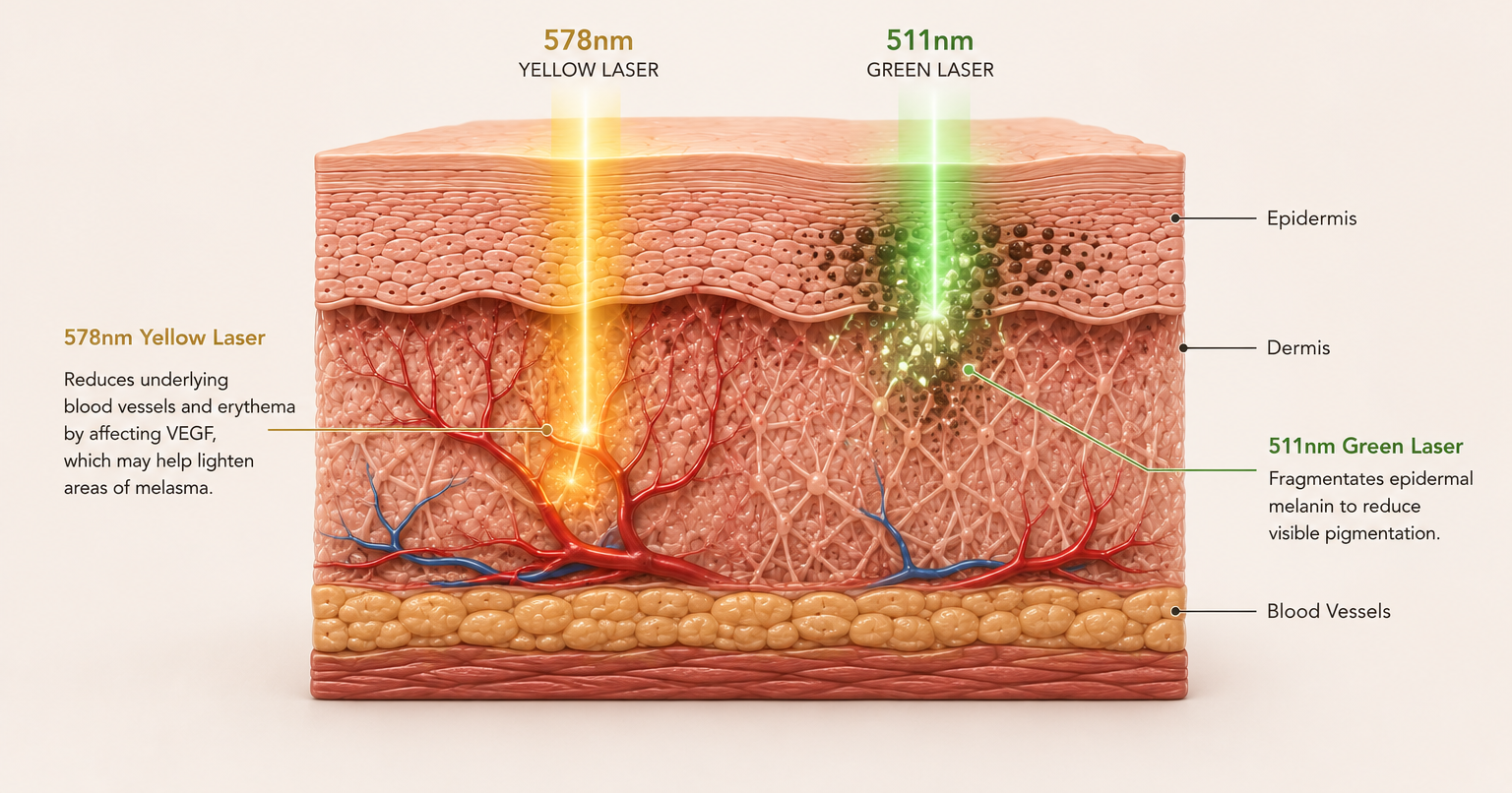
Vascular lasers use light that can be absorbed by haemoglobin, the pigment in blood. The resulting heat can affect a selected vessel so it becomes less visible as the area heals. Vessel size, depth and colour matter, along with the surrounding skin and the device's properties. A fine superficial line and a larger or deeper vessel may call for different approaches.
The clinician can use these observations to explain why one option is considered for your particular site. You may also see Clarity II Laser discussed when comparing vascular treatments. A comparison is more meaningful once the doctor has identified the target. Ask whether the same approach is suitable for the lines on your cheeks and nose, especially if they look different in shape or colour.
What can the doctor establish about the underlying cause?
Visible vessels can occur with rosacea or cumulative sun exposure. Some people have stable visible lines and little discomfort. Others have recurrent flushing, burning, inflamed bumps or gritty eyes. Those features matter because targeting individual vessels does not itself manage everything that contributes to facial redness.
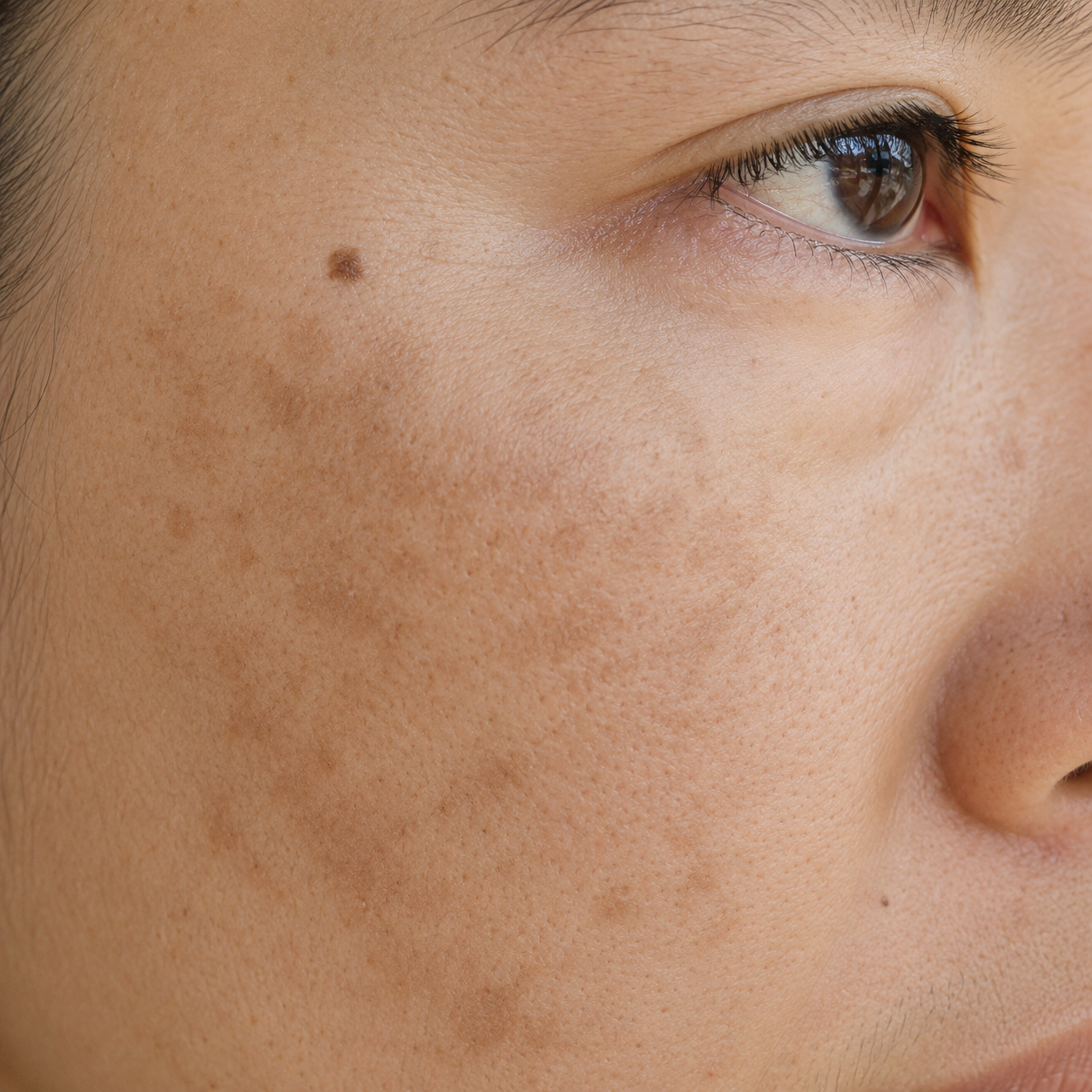
If you notice changes after a new product, tell the clinician when it was introduced and where you apply it. Include creams you get from pharmacies and previous prescriptions. A dermatologist or other doctor can advise whether you need a separate diagnosis or whether to let an active reaction settle before planning a procedure. The clinic's information on photo-damaged skin offers context if you also notice brown spots or other signs of sun exposure.
What should you ask about results and recovery?
Ask the doctor to show you which vessels are being targeted. Agree on a practical measure for follow-up, such as comparing the appearance of two specific clusters in neutral light after the skin has recovered. A mixed area can look better in some spots than others. Tell the clinic if the appearance changes in ways you had not discussed, or if you are unsure what the early response means.
A consultation should also cover the possibility of redness, swelling, bruising or pigment changes, depending on the chosen approach. Ask how long to allow before an event and how to protect the treated area from the sun around work, sport or travel. Your clinician can explain whether timing needs to change if you have a recent tan or a flare of irritation.
How to prepare for a consultation in Singapore
Bring your medication and skincare list, including drugs that affect bleeding and any history of pigment changes after procedures. Share enough detail to describe where the vessels are and which bother you most. Someone with isolated vessels around each nostril may have different questions from someone whose cheeks also flush every time they step into the heat. A review can help decide whether treatment of individual vessels, investigation of the flushing, or both makes sense.
Why does the same area sometimes look red again?
Follow-up is easier if you agree on what change you are looking for. If a vessel fades but you later flush in the same area, the returning colour may represent background redness rather than an identical vessel. If a fine line remains visible in the same place after healing, show the clinician the baseline photograph so they can compare. New lines in a different position call for a separate comparison. Ongoing rosacea or cumulative sun exposure can also influence what you see over time.
A question to ask at the review is whether the problem you see now is the one treated in the first place. For example, if a line next to your nose is less visible but cheek warmth still bothers you after a walk, discuss the two findings separately. The Customised Laser Programme is useful background for patients comparing options, particularly when the same face has more than one concern.