The phrase 'laser for pigmentation' covers many technologies. A Pico Laser and a Clarity II Laser both use light, but the duration of their pulses, available wavelengths, treatment modes and intended clinical targets are not identical. Those differences may matter when someone is concerned about discrete sunspots, freckles, uneven skin tone or marks remaining after inflammation.
In brief: picosecond lasers deliver extremely short pulses that can disrupt selected pigment targets using predominantly photoacoustic effects. Clarity II is a dual-wavelength platform combining alexandrite and Nd:YAG laser technology, commonly associated with 755 nm and 1064 nm wavelengths. Clarity II settings can be selected for a range of indications, but its performance cannot be reduced to one single 'pigmentation treatment'. Neither device is automatically the right choice for every brown mark.
For readers in Singapore, the most important first step is identifying the pigmentary condition. The choice of laser follows the diagnosis, not the other way around.
What Are Sunspots and Why Do They Develop?
Sunspots are often called solar lentigines. They typically appear as flat, brown areas on sun-exposed skin after accumulated ultraviolet exposure. Their size, colour and distribution differ between individuals. Freckles may look similar but have different patterns and behaviour. Melasma often appears as broader patches influenced by several triggers, while post-inflammatory hyperpigmentation arises after skin inflammation.
A brown mark also should not automatically be treated cosmetically without examination. A new or changing pigmented lesion may need medical assessment and potentially other investigation. Laser treatment is inappropriate when a suspicious lesion has not been evaluated.
Rexults discusses cumulative ultraviolet effects in its resource on photo-damaged skin. Photodamage can include pigment changes as well as fine lines and roughness, but different features may require different approaches.
The Difference Between Surface Pigment and Deeper Pigment
Pigmentation visible on the face may involve the epidermis, dermis or both. The apparent depth does not always predict treatment response perfectly. Some pigment-producing processes are ongoing, rather than isolated deposits that can be removed once. This is particularly true of melasma.
The clinician may assess distribution, colour, duration, prior treatments, medications, skin tone and history of darkening after inflammation. These factors influence the decision to use topical management, a procedure or no intervention.
How Does Pico Laser Work?
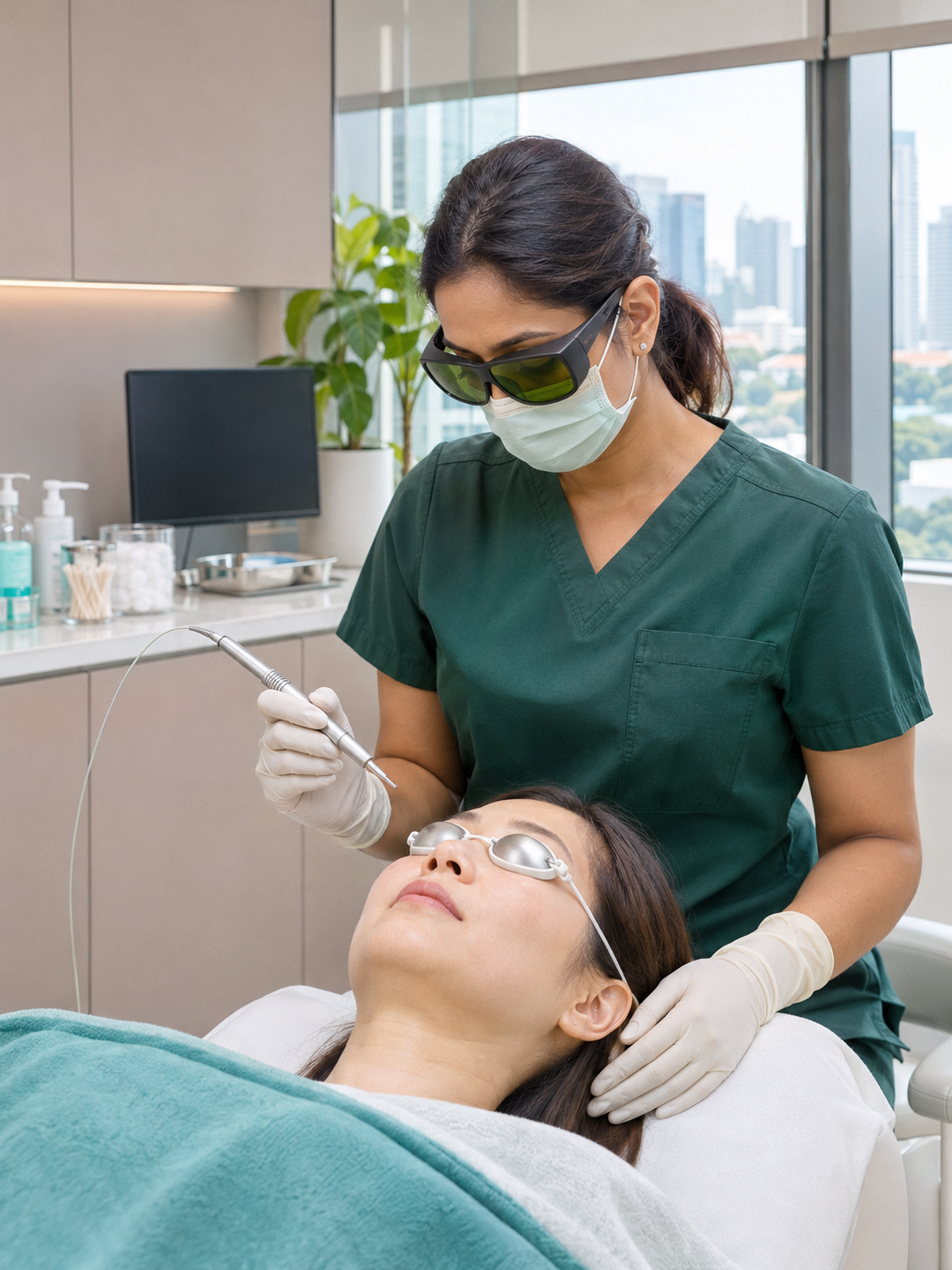
Picosecond technology produces laser pulses measured in trillionths of a second. The rapid energy delivery can create predominantly photoacoustic effects in pigment or ink targets. However, Pico Laser is a family of devices and configurations, not one universal set of wavelengths and settings.
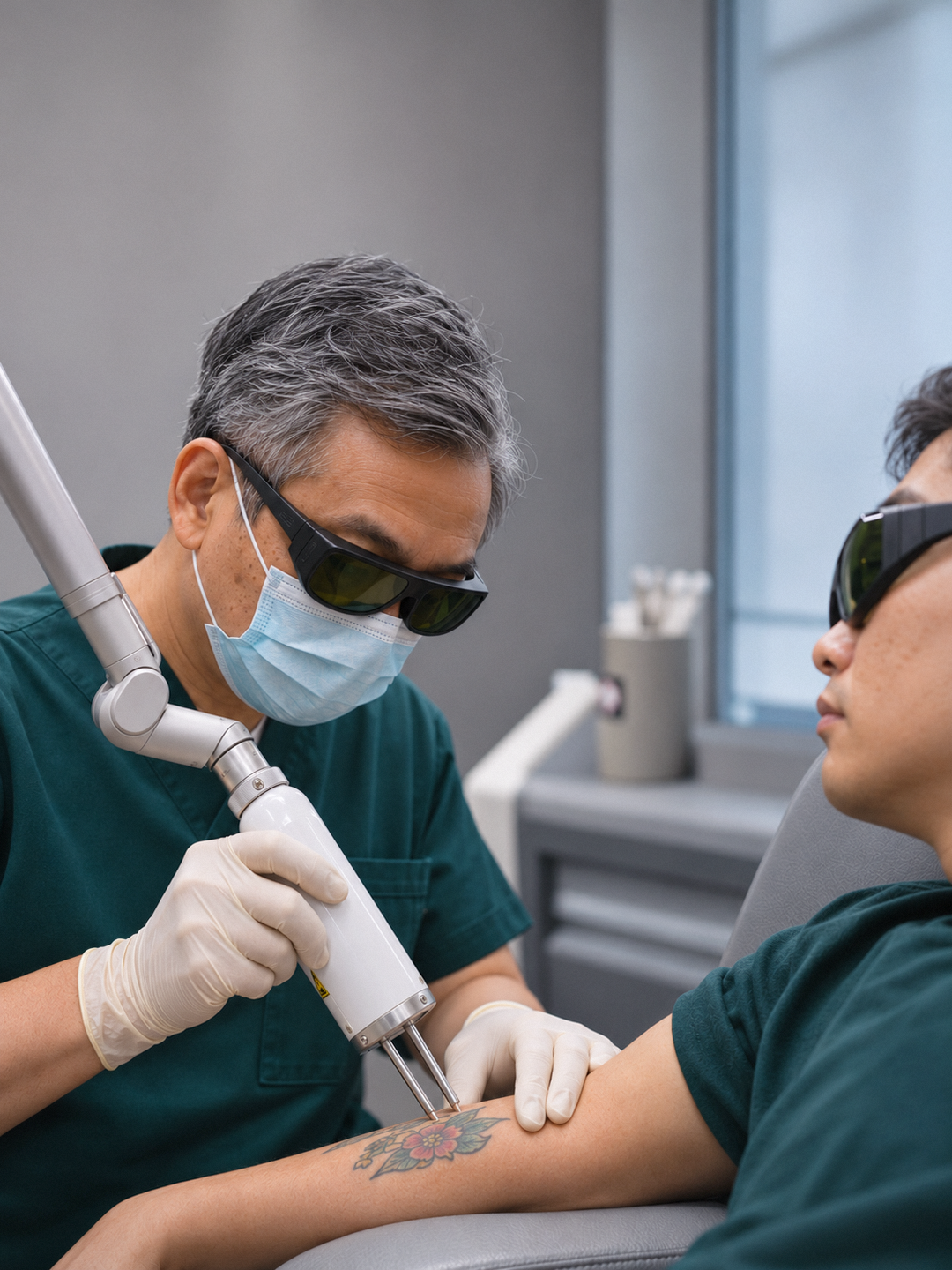
Some picosecond systems are used for selected pigmented lesions and tattoos. Certain platforms also provide fractional attachments for texture-related treatment. The suitability of a specific platform depends on the wavelength, mode and diagnosis, and cannot be inferred from the word 'pico' alone.
Rexults lists Pico Laser as one of its current treatments. During consultation, the clinic can identify the particular equipment and explain what indication is being considered.
Can Pico Laser Remove Sunspots?
Selected sun-induced pigmented lesions may respond to appropriately selected pigment-targeting lasers, including certain picosecond platforms. Results vary, however, and a spot that looks like an ordinary lentigo should be diagnosed before treatment. There is also a difference between clearing a particular lesion and preventing new pigment changes caused by future sun exposure.
Temporary redness and swelling are possible. More significant risks include blistering, crusting, post-inflammatory hyperpigmentation, hypopigmentation and scarring. A short pulse does not make a procedure completely risk-free.
What Is Clarity II Laser?
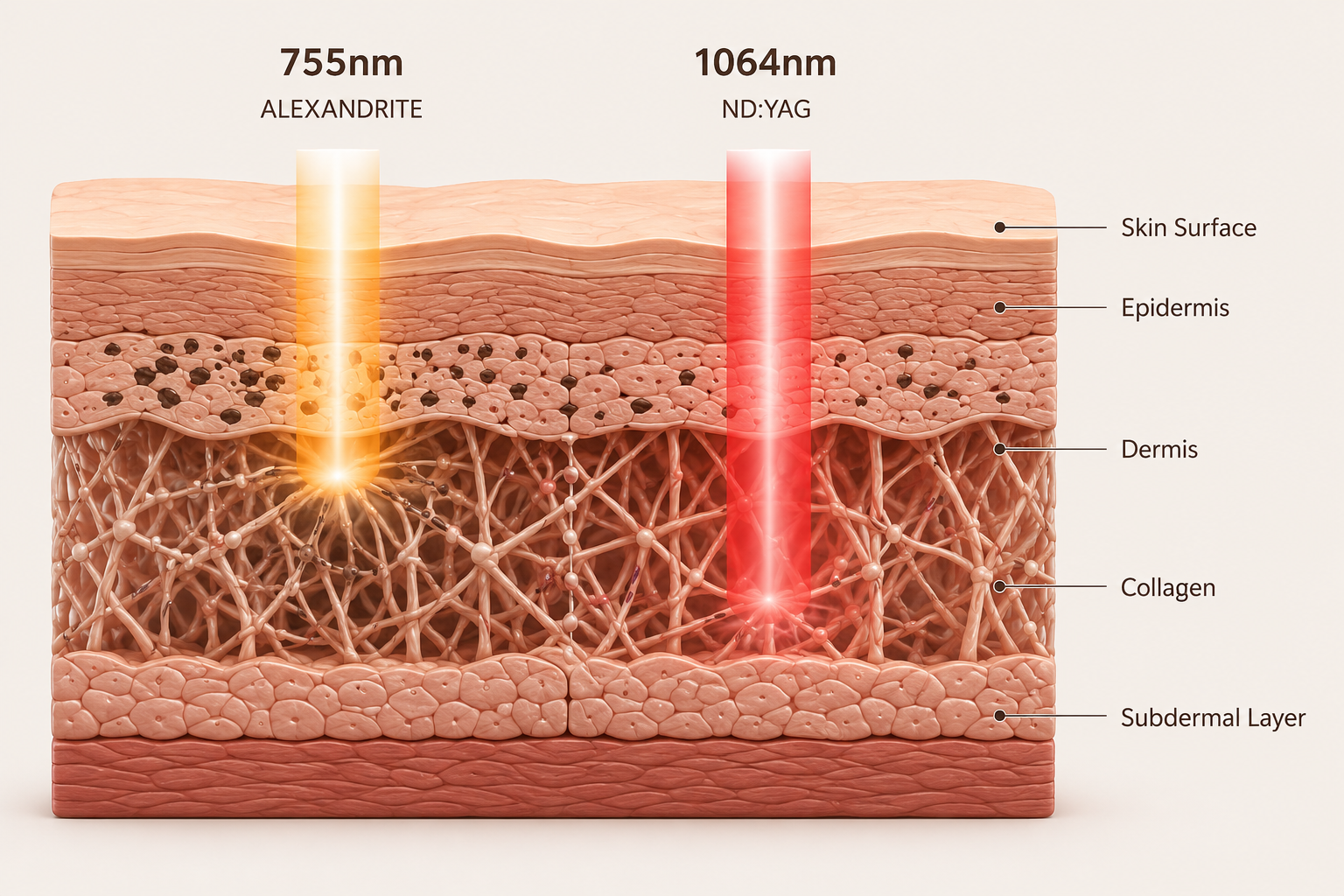
Clarity II is a laser platform combining 755 nm alexandrite and 1064 nm Nd:YAG technology. The two wavelengths interact differently with pigment, hair follicles and vascular targets. Their use depends on the selected handpiece, pulse settings, skin type and clinical indication.
A dual-wavelength platform offers technical flexibility; that does not mean both wavelengths should be used for every patient or that either is automatically preferable to a picosecond treatment for a particular lesion.
Rexults identifies its service at Clarity Laser II. Before describing device-specific outcomes, the treating team should confirm the current treatment parameters and indication.
Why Do Wavelengths Matter?
Light energy interacts with tissue according to factors including wavelength, pulse duration, delivered energy, target depth and competing absorption by skin pigment. The 755 nm and 1064 nm wavelengths have different penetration and absorption characteristics. For example, Nd:YAG technology may be selected for certain deeper targets, while the alexandrite wavelength has other common clinical uses.
But the correct wavelength is not selected solely by whether a mark appears dark or light. A detailed assessment of the lesion and surrounding skin is necessary to balance benefit against unwanted heating or pigment change.
Pico Laser vs Clarity II: Comparison for Pigmentation
A practical comparison considers pulse delivery, wavelength options, likely targets and risks rather than treating each brand as a guarantee of results.
Which Laser Is Better for Sunspots or Age Spots?
The answer depends on the type of pigmented lesion, the individual's skin phototype and the equipment actually available. Both picosecond platforms and selected conventional laser wavelengths have clinical uses, but a direct comparison requires specifying the machines, settings and outcome being measured.
If the primary concern is one or a few discrete lentigines, a clinician may consider a focused approach after confirming that the lesions are benign. If the concern is patchy, recurrent pigmentation, treatment may instead centre on managing triggers and skincare, with laser considered only in selected circumstances.
For an overview of different causes of uneven colour, see Rexults' pigmentation concern page. The fact that two conditions look brown does not make their treatment interchangeable.
Can Pico or Clarity II Cure Melasma?
No laser should be promoted as a permanent cure for melasma. The disorder often needs ongoing care including sun protection and, where clinically appropriate, topical medication. Even effective procedures may be followed by recurrence. Some laser settings can worsen pigment through irritation or inflammation.
The American Academy of Dermatology notes that a melasma plan often combines protective measures and medication, with procedures considered in selected patients. The right starting point is therefore an accurate diagnosis and a discussion of non-laser options, not a promise that a stronger laser will finally eliminate the problem.
What About Uneven Skin Tone Without Obvious Spots?
A general sense that the face looks uneven can arise from multiple factors: scattered pigment, redness, rough texture, dryness or changes in how light reflects from the skin. A pigment-targeting device will not necessarily correct every one of these issues. Treating a symptom without identifying its cause may lead to disappointment or unnecessary procedures.
Rexults also explains uneven skin tone and texture. The patient might benefit from advice on skincare, acne control, sun protection or another treatment rather than immediate laser work.
Why Skin Type and Past Pigment Changes Matter
People who develop dark marks after acne, insect bites or previous procedures may have a tendency toward post-inflammatory hyperpigmentation. Higher epidermal melanin can compete with the intended laser target and influence risk. Experienced clinicians tailor the device, energy and treatment schedule rather than assume one setting is safe for all complexions.
Downtime, Safety and Expectations
Both treatment families can produce warmth or discomfort, redness and temporary swelling. Depending on the parameters and target, some spots may darken or crust before changing appearance. Inappropriate treatment can cause burns, pigment changes or scarring. It is not accurate to promise 'zero downtime' without knowing the protocol and individual response.
Patients should discuss recent sun exposure, topical retinoids, medicines, pregnancy or other relevant factors, as well as previous laser complications. The use of protective eyewear is essential. Post-treatment instructions should be specific to the device and clinical plan.
How Many Sessions Are Needed?
There is no meaningful universal number. A small, correctly diagnosed lentigo may respond differently from diffuse photodamage or mixed pigmentation. Device settings, clinical goals and response all affect the treatment schedule. Patients should ask how progress will be measured and what result would justify changing or stopping the plan.
Can These Lasers Be Used Within the Same Treatment Plan?
Potentially, but combining them should never be the default. A clinician might consider different devices for distinct identified targets, while in other cases using more procedures may simply add cost and inflammation risk. The terms 'Pico' and 'Clarity II' do not, by themselves, establish that two sessions are complementary.
Rexults lists a Customised Laser Programme. This provides an appropriate setting for discussing why a particular device might or might not be included, provided the choice follows medical assessment.
Why Sun Protection Matters After Pigmentation Treatment
The skin continues to respond to ultraviolet and visible light after any laser treatment. A successful improvement in one spot does not prevent other spots developing. Ongoing broad-spectrum sunscreen, suitable reapplication, shade and protective clothing remain important in Singapore's year-round sun exposure.
For patients with melasma, tinted sunscreen containing iron oxides may be particularly helpful because visible light can contribute to darkening in some skin tones. Irritating skincare can also worsen pigment problems. A doctor may advise maintaining a simple, non-irritating routine during recovery.
Questions to Ask When Comparing Laser Devices
Ask the clinician what the diagnosis is, which wavelength and mode are proposed, why that approach is suitable for your skin type and what unwanted outcomes are possible. Other useful questions concern alternatives, downtime, the likelihood of new pigmentation, the number of anticipated visits and how maintenance will work.
The decision should be grounded in medical judgment rather than the number of treatment features a device advertises. Rexults' approach to individual skin assessment is described in Dr E.P. Wong’s profile, where the clinic outlines its medical-aesthetic background.
If you have sunspots or an uneven complexion and want an individual assessment, contact Rexults Clinic to discuss your concerns.
The Takeaway: Treat the Condition, Not the Laser Name
Pico Laser and Clarity II Laser differ in technical design, pulse characteristics and potential applications. Neither technology is a blanket answer for pigmentation. A clinically useful decision begins with identifying whether the mark is a benign sunspot, melasma, post-inflammatory pigmentation or another concern entirely.
Treatment may help selected individuals, but realistic expectations, appropriate settings and sun protection are essential. Long-term skin health also requires recognising when a procedure is unnecessary or unsuitable.
To learn which options may be appropriate for your pigmentation concerns, arrange a consultation with Rexults Clinic via WhatsApp.
FREQUENTLY ASKED QUESTIONS