Illuminate LED Therapy may be discussed as one part of an acne treatment plan. Whether it fits depends on the kind of breakouts you have, their severity, your current treatment and the evidence for the particular device. A discussion about light therapy should also cover how the plan will prevent new breakouts and what the clinician will change if you continue to develop painful or scarring spots.
If you are looking into Illuminate LED Therapy in Singapore, ask the clinic which concern it would be used for and how you would know whether it was helping. The answer may differ for scattered inflamed spots, persistent blocked pores or deeper painful bumps. It also helps to tell the doctor if your main concern is the marks left by earlier breakouts.
Which features of acne matter when discussing LED therapy?
Acne can include blackheads, whiteheads, inflamed papules or pustules, and deeper nodules. A clinician looks at the mix and how often fresh lesions appear. Ask them to distinguish active acne from flat red or brown marks and textured scars. A cheek can show all three at once. The result of treating one feature may be hard to judge if you use the overall appearance of the face as your only measure.
If pimples are painful, widespread or leaving new indentations, arrange an acne assessment so a clinician can discuss established options and the risk of scarring. For a teenager, it is useful to ask how the plan will fit school, sport and a manageable home routine. Rexults’ Teen Acne Programme offers related reading before that conversation.
What does light therapy add to the discussion?
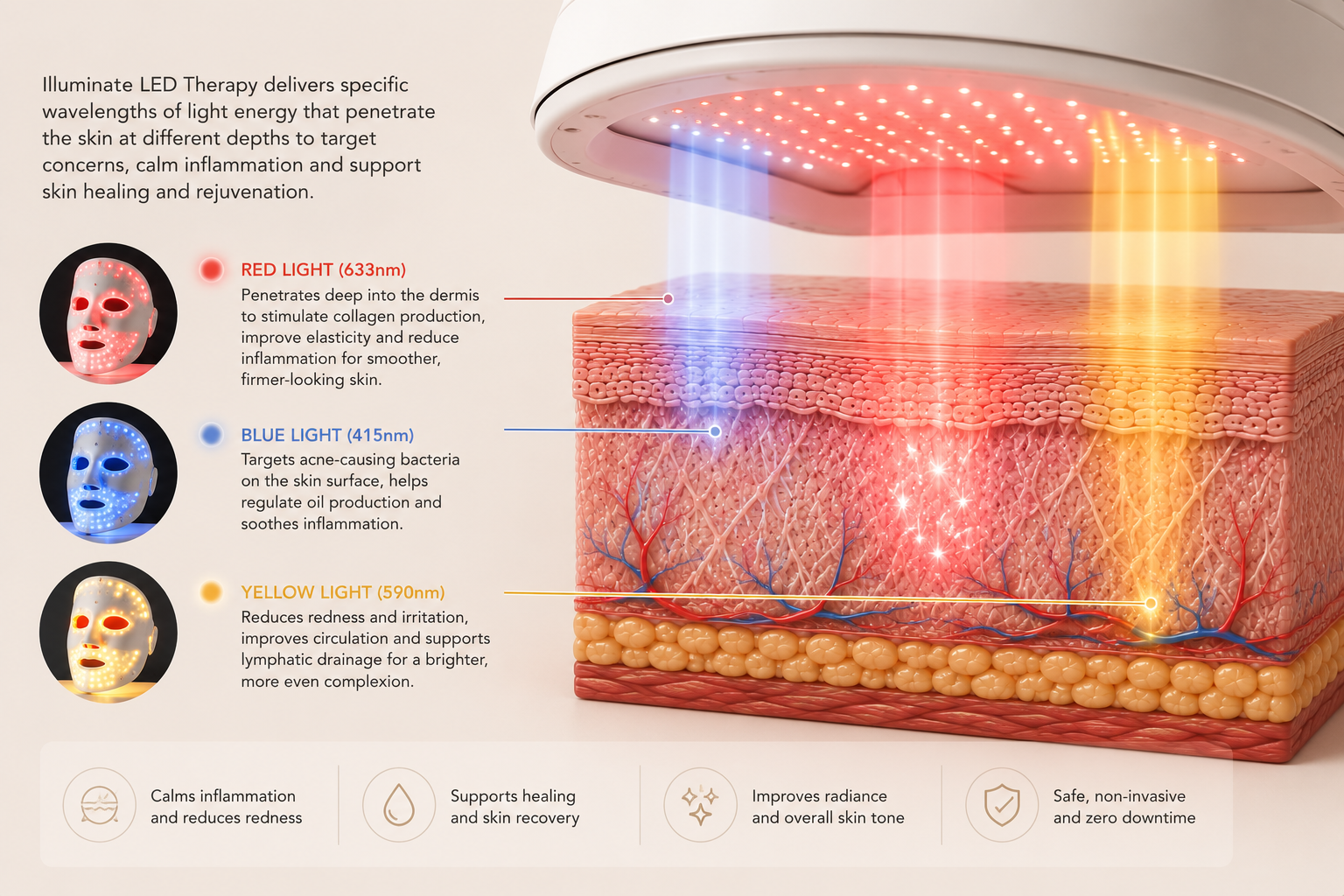
LED devices emit light at defined wavelengths. Blue and red visible light have been studied for acne, and devices differ in their output and how they are used. Clinical evidence on one device or treatment course cannot simply be applied to another. Ask the doctor which protocol they are proposing, what evidence applies and how confident they are that it addresses your type of acne.
Ask also how light would fit with the rest of the regimen. Prescribed and over-the-counter acne treatments can address different parts of the process, including clogged pores and inflammation. If you already use something that helps, bring the name and any directions you were given. The doctor can discuss whether to continue it and whether adding a clinic visit would change the plan in a way you can measure.
How should you define a useful result?
Agree on a specific outcome at the start. Count new inflamed spots in a consistent area or record how frequently you develop deeper tender bumps. Photograph acne and marks separately if both matter to you. A photograph taken on a calm day may conceal a pattern of recurrent painful flares, while a single flare can mask improvement over time.
Agree when to reassess and what would prompt an earlier change. If you keep developing new scars, tell the doctor rather than waiting for a set of sessions to finish. The clinic's acne scar guide is relevant if you want to understand how established indentations will be assessed once the active breakouts are better controlled.
What should you tell the clinician about safety and scheduling?
Bring a list of all medicines and supplements, including any that come with a warning about light sensitivity. Mention eye conditions, past reactions to light treatments and any recently irritated skin. Ask what eye protection is used and what sensations you can expect. Report discomfort or a change in symptoms to the clinic rather than assuming the reaction is necessary for the treatment to work.
Before committing to several visits, ask how often you would need to attend, what you can do at home between appointments and the criteria for continuing. This is particularly useful for students with exams or adults with rotating shifts. If you need to keep the plan simple, ask which treatment steps take priority and what you can reasonably sustain.
What if flat marks are your main concern?
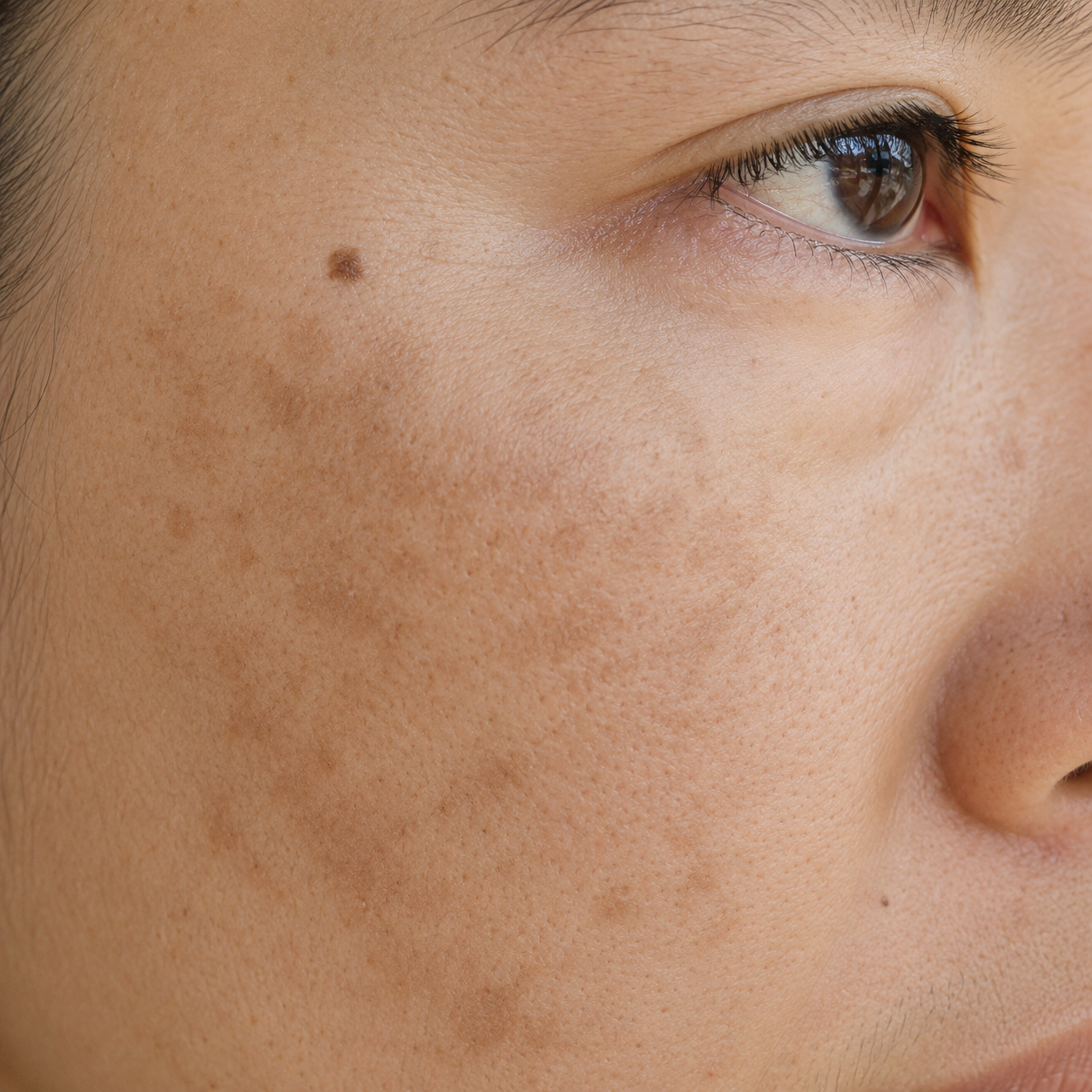
If you rarely develop new spots but still see dark areas, explain that the remaining colour is the reason for the visit. A clinician can assess whether it is post-inflammatory pigment, residual redness or another finding. The measure of progress for a flat mark differs from the measure for active acne. Clarifying your priority can help you avoid following an acne-focused plan when your actual question is about colour.
How can you tell which part of a combined plan is helping?
If you start a new cleanser, change a prescription and add LED sessions in the same week, progress can be hard to attribute to any one step. Ask which parts should start together and whether the clinician wants you to keep a record of when each begins. You can write down the areas treated and the number of new spots you saw that week. Note significant events, such as stopping a product because of irritation, that would make one week hard to compare with another.
The right outcome might be fewer new inflamed spots, faster recovery after a flare or a simpler routine you can use every day. The Healthy Skin Programme gives background on discussing the home routine alongside clinic care. If your weekly photos improve while painful bumps continue, show the clinician both findings. That is more informative than describing the whole plan as working or failing.