A dark mark that remains after a pimple has healed can be frustrating, particularly when new breakouts leave additional patches. These marks are often described as acne scars, but a flat brown or grey-brown area may instead be post-inflammatory hyperpigmentation (PIH). That difference matters when comparing medical grade chemical peels and Pico Laser for pigmentation in Singapore.
The short answer: A medical grade peel uses a carefully selected chemical agent to exfoliate or resurface skin to a specified depth. Pico Laser uses ultrashort pulses of laser energy; selected settings can target certain pigment patterns. Neither is automatically the preferred treatment for PIH, and both can worsen dark marks when incorrectly used.
Many cases of PIH are managed first with diagnosis, control of the underlying inflammation, careful skincare, sun protection and suitable topical treatment. Procedures may be considered for selected persistent cases after medical assessment. The goal is not to choose the more dramatic-sounding technology; it is to avoid further inflammation while addressing the actual pigment problem.
What Is Post-Inflammatory Hyperpigmentation?
PIH develops when skin inflammation or injury stimulates increased pigment production or causes pigment to be distributed abnormally. Acne is a common trigger, but eczema, burns, picking at spots, irritating products and procedures can also leave dark marks.
The mark is typically flat. Its colour may range from light brown to dark brown or grey-brown, depending partly on where pigment sits in the skin. More superficial pigment may behave differently from deeper pigment, so an accurate assessment matters.
PIH can affect any skin tone, but it is often more noticeable and persistent in people with more pigmented skin. This matters in Singapore because people have widely varying skin tones, phototypes and tendencies to develop dark marks after irritation.
Read Rexults' explanation of pigmentation concerns for broader context about why not every dark patch has the same cause.
PIH, Acne Scars and Melasma Are Different
PIH after acne is not the same as a depressed scar. A scar has a change in surface structure; a flat pigmented mark may have no indentation at all. Both can coexist in the same area.
Melasma is another condition that can produce brown patches, particularly on sun-exposed parts of the face. It has different triggers and a tendency to recur. Freckles, solar lentigines and some medical causes of pigmentation can also be mistaken for PIH. An unsuitable treatment can worsen the condition rather than help it.
For people with active breakouts, management of acne is important. New inflammation can create new marks faster than old ones fade.
Why Do Acne Marks Take So Long to Fade?
The skin can take months to clear residual pigment, and deeper pigment may persist for longer. Repeated exposure to ultraviolet radiation can sustain darkening. Picking, scrubbing or overusing exfoliating products can cause new inflammation, restarting the cycle.
A patient may conclude that a cream has failed because the mark has not vanished quickly. Yet gradual fading may still be occurring. Standardised photographs in similar lighting are useful; daily mirror checks can exaggerate small fluctuations in colour.
The pace of fading is not determined only by treatment choice. Skin tone, depth of pigmentation, active acne and adherence to appropriate sun protection all affect the process. This is why PIH management is often a longer-term skincare and inflammation-control problem rather than a single-session laser problem.
What Is a Medical Grade Chemical Peel?
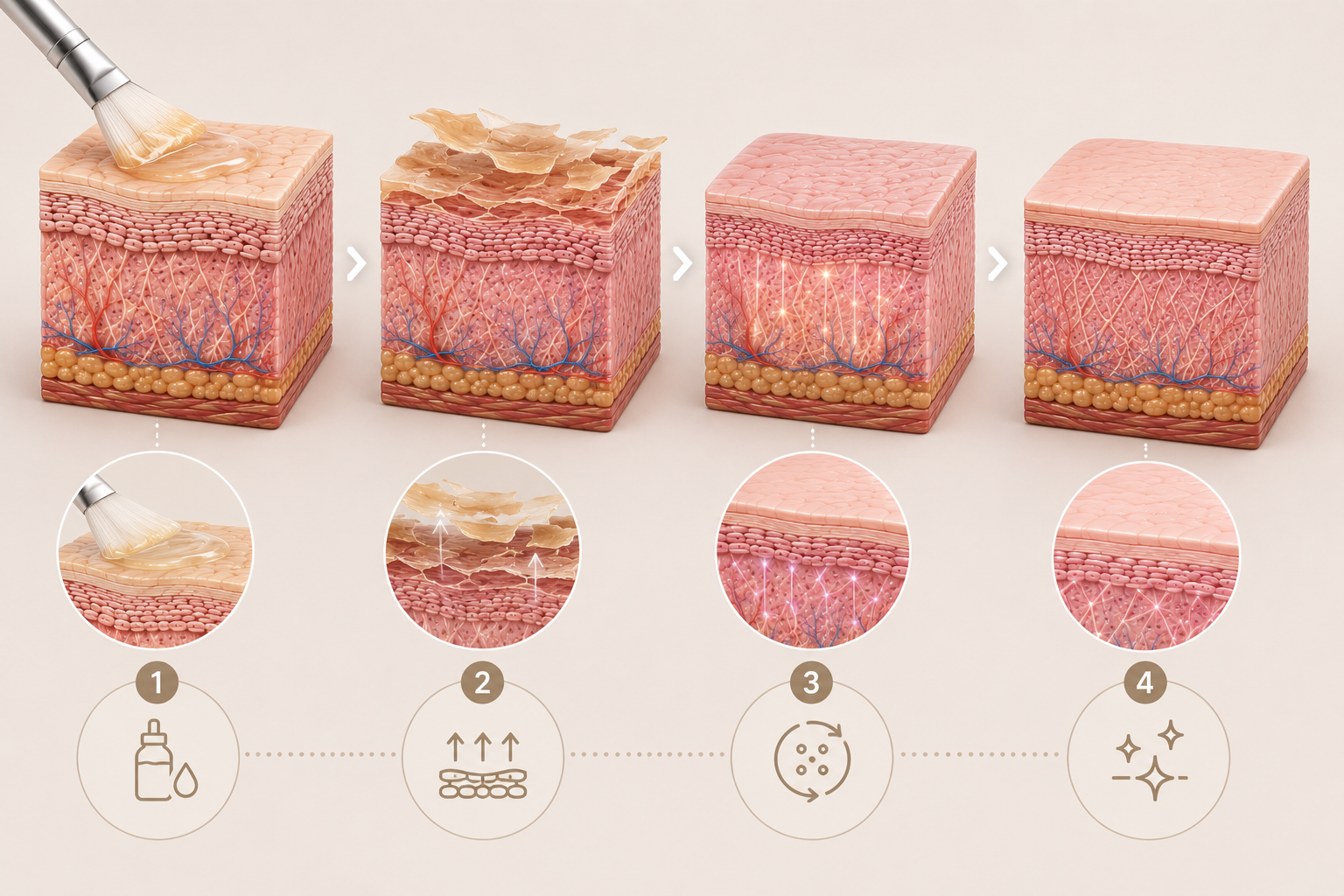
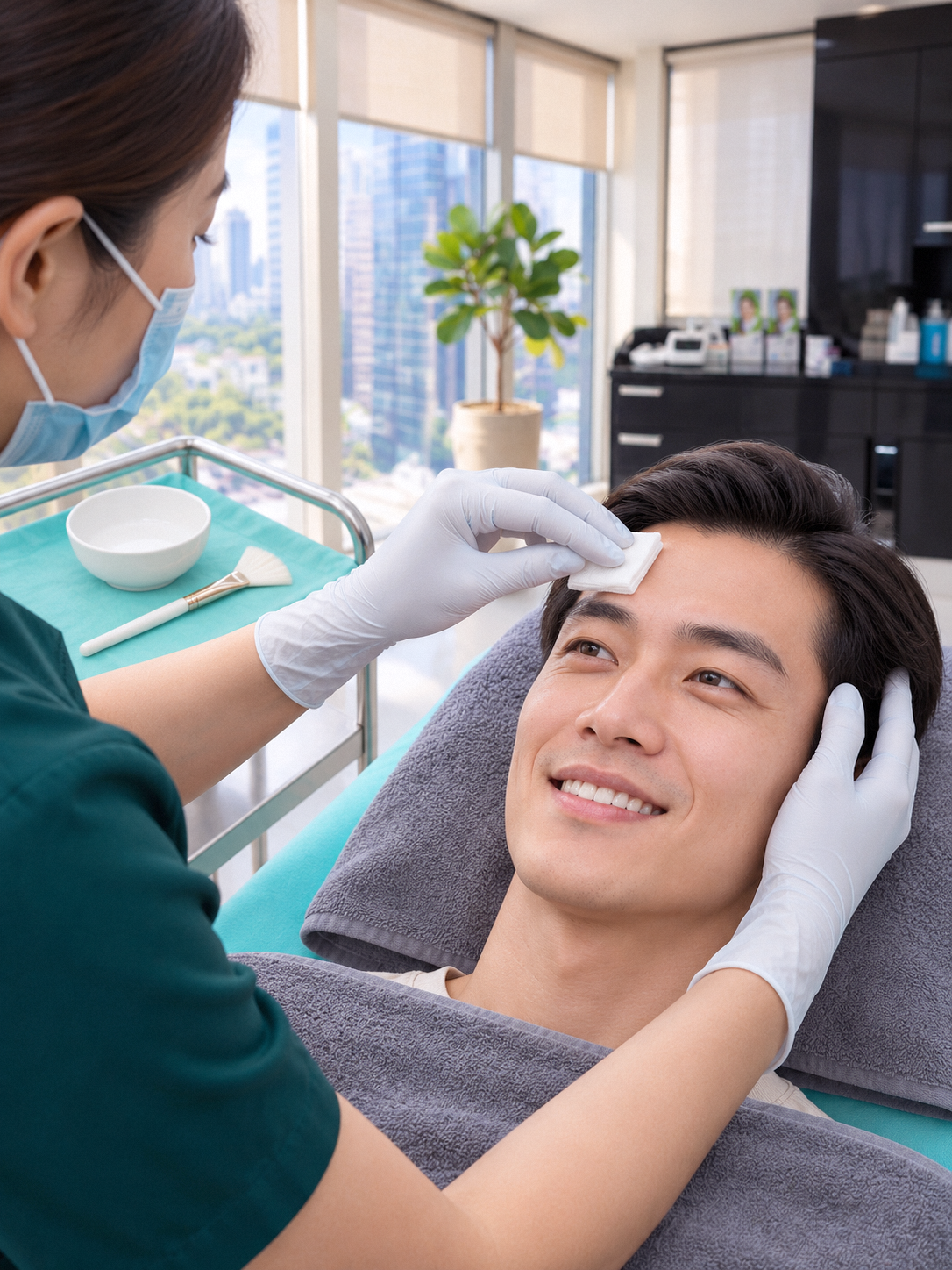
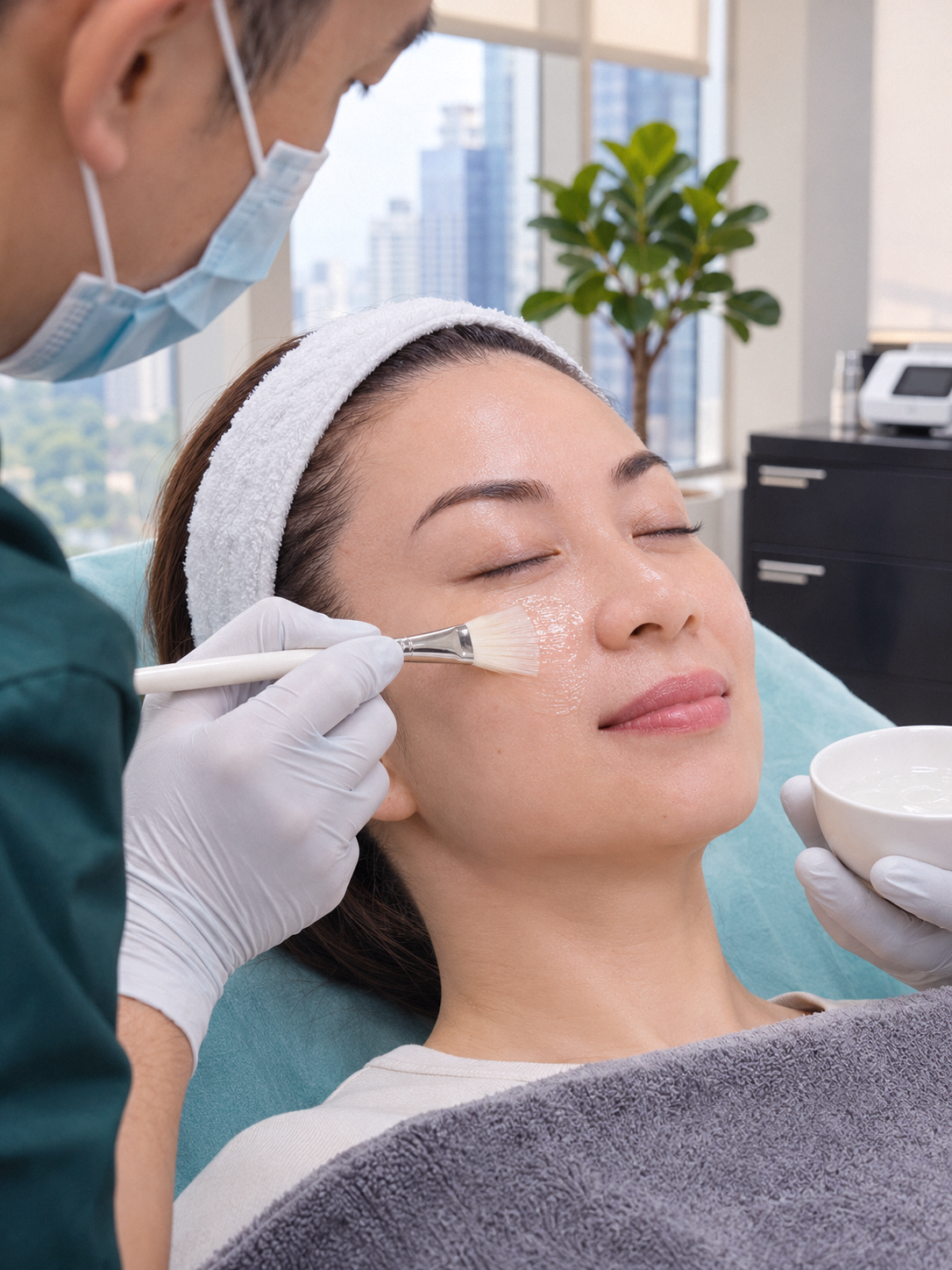
A medical grade chemical peel applies a controlled exfoliating agent to skin. Depending on its composition, concentration and contact time, the peel produces effects at different depths. Superficial peels may be used for selected pigment and textural concerns; deeper peels have different indications and greater risk.
The term medical grade peel does not identify one universal formulation. A doctor should explain the actual peeling agent, treatment depth and intended objective. Some formulations use alpha-hydroxy acids, beta-hydroxy acids or other agents, each with distinct properties.
Rexults lists Medical Grade Peel among its treatment options. That listing should be used as the starting point for discussing the clinic's current protocol, rather than assuming every chemical peel works the same way.
How Might a Peel Affect Pigmentation?
A suitable superficial peel may encourage shedding of pigment-containing superficial cells and alter the appearance of selected epidermal dark marks. It may also support an acne-management plan in selected cases. But deeper pigment may not respond in the same way, and a peel does not automatically resolve an inflammatory condition that is still active.
Peels can also provoke irritation and PIH. Higher strength does not necessarily mean a better result, especially for someone prone to pigmentation or with a compromised skin barrier. Any claim of immediate, permanent removal would be misleading.
What Is Pico Laser for Pigmentation?
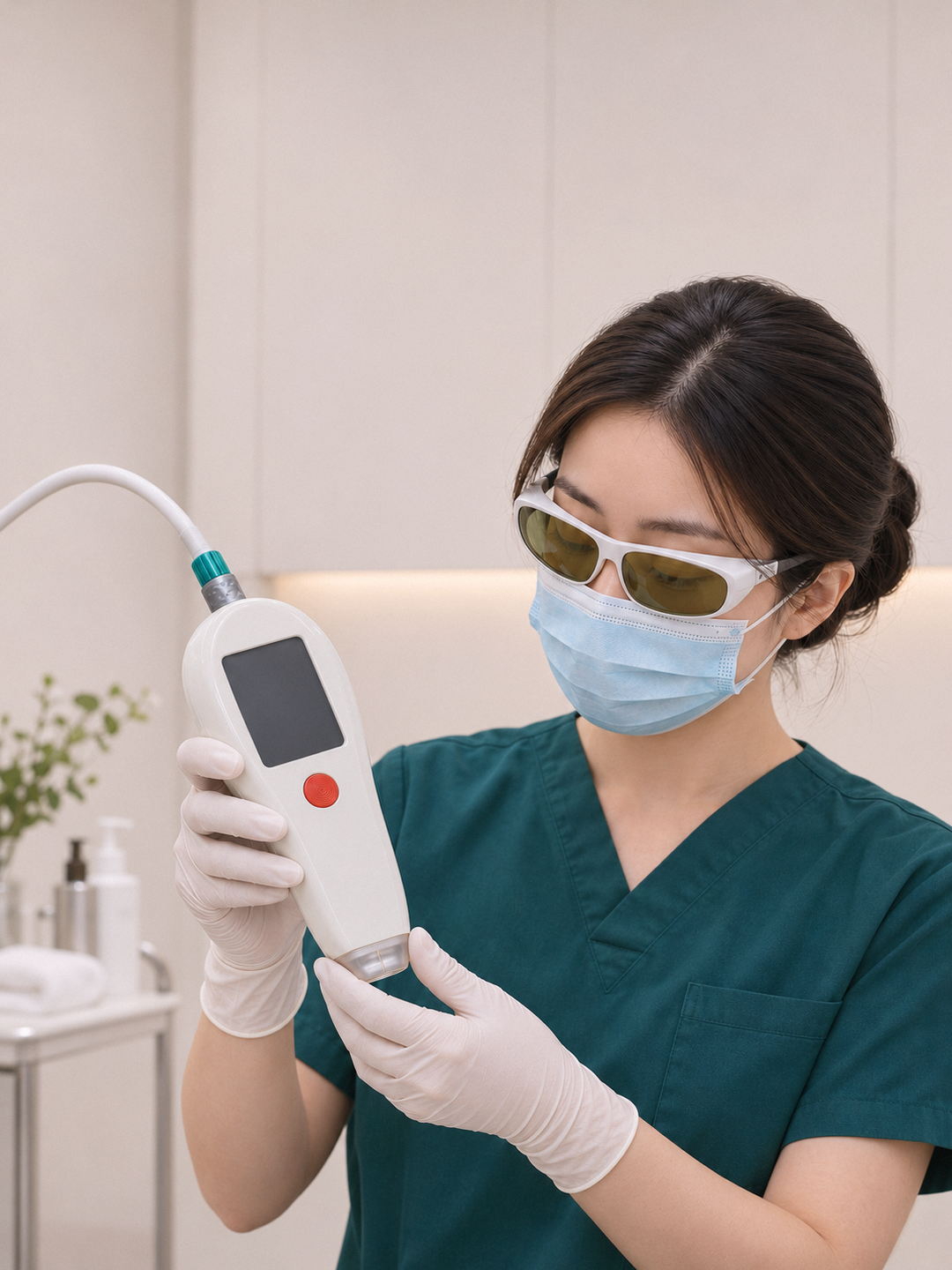
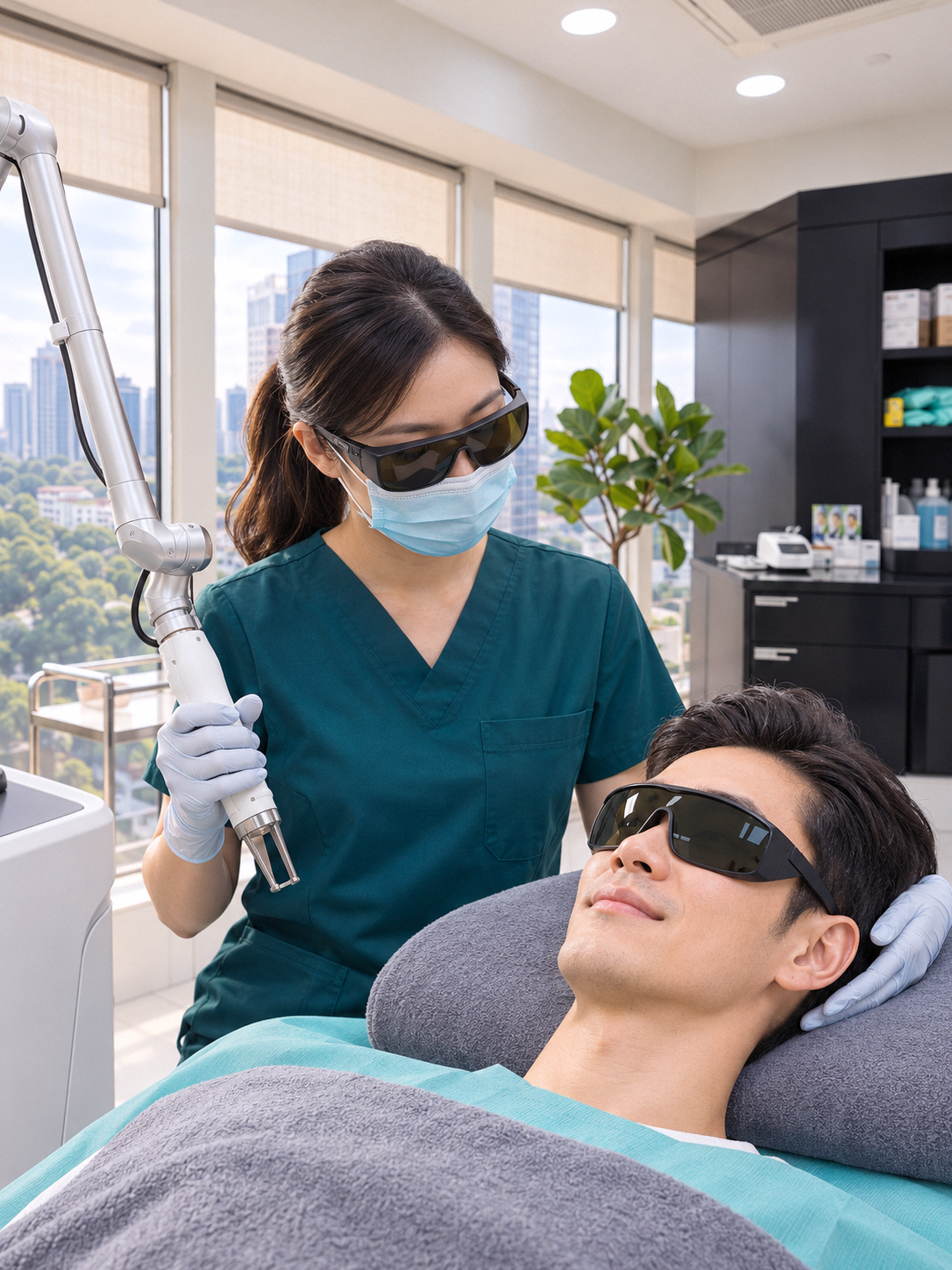
Pico Laser describes systems that deliver pulses measured in picoseconds, or trillionths of a second. Depending on wavelength and settings, the energy may interact with melanin-rich targets through short-pulse effects. Various platforms and handpieces are used for different clinical indications.
Rexults provides a dedicated Pico Laser treatment page. The exact device, treatment setting and diagnosis are important; the phrase “Pico Laser” alone does not establish that a specific patient is a suitable candidate.
Does Pico Laser Work for Acne Marks?
Selected pigment-targeting laser protocols may be considered for particular persistent pigmentation patterns. However, PIH is not a single uniform target, and the procedure itself is an injury that may prompt further pigmentation. Improvement is not guaranteed, and new darkening can occur after an apparently uncomplicated session.
A pigment laser used for a sunspot is not automatically appropriate for acne-related PIH. Melasma may worsen or recur after lasers, and deeper or mixed pigment can respond unpredictably. A clinician should distinguish these diagnoses before suggesting a device-based approach.
Medical Grade Peel vs Pico Laser: Main Differences
Both can be part of a pigmentation discussion, but their mechanisms and risk considerations are different. The following comparison is educational, not a ranking of which treatment is universally better.
Which Treatment Is Better for Dark Marks After Acne?
There is no universal winner. A patient with a few slowly fading marks and controlled acne may not need any procedure. Another patient with persistent epidermal PIH might be considered for topical agents first, with procedural options discussed only if the expected benefit outweighs the risk.
Clinical consensus guidance published in 2025–2026 places topical therapy as a first-line option for PIH, with lasers and peels generally reserved for selected second-line or refractory situations. This matters because marketing comparisons sometimes imply that every pigment patch requires a clinic procedure.
The medically useful questions are: Is the diagnosis definitely PIH? Is inflammation still active? Is pigment superficial or deeper? How likely is this person's skin to react with further pigment? Have simpler treatments been tried appropriately?
Patients with broader concerns about uneven skin tone and texture should also distinguish colour irregularity from depressions or roughness. Improving one does not necessarily improve the other.
Does Singapore's Climate Change Pigmentation Care?
Singapore's year-round ultraviolet exposure makes consistent sun protection important. Visible-light exposure can also contribute to some pigmentation disorders, and a doctor may discuss tinted formulations containing iron oxides for selected patients.
Air-conditioning and skincare habits also matter indirectly. If a person uses harsh cleansers or exfoliants until the face feels tight, the resulting irritation may produce new marks. A calm, tolerable routine may be more useful than frequent experimentation with strong acids.
Rexults has a separate resource about photo-damaged skin. Sun-related pigmentation and PIH may look similar to a non-specialist but have different management considerations.
What Should Happen Before a Peel or Laser Session?
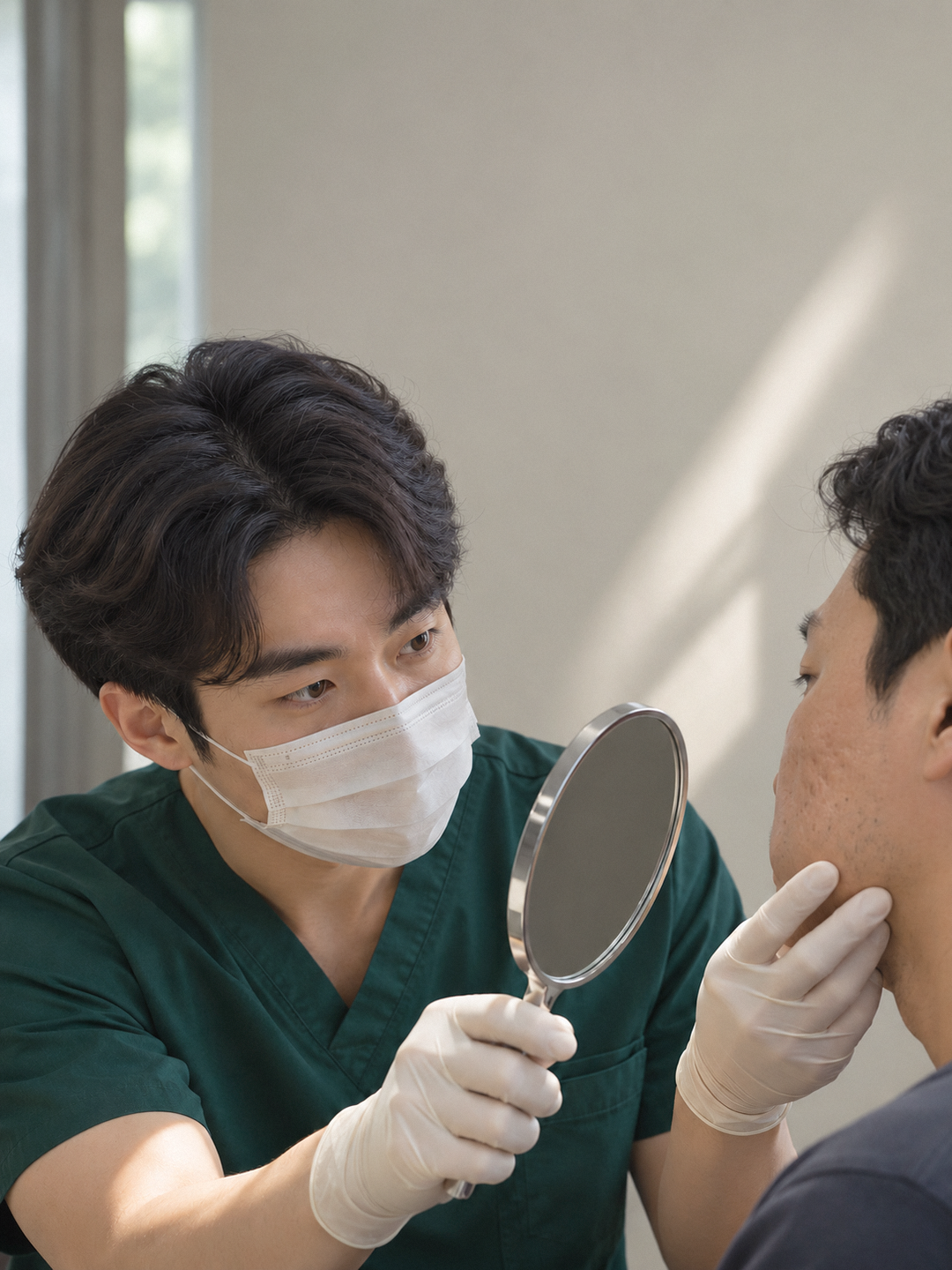
A clinician should review the skin condition, prior reactions, current skincare, medications, sun exposure, and any history of pigmentation after injury. Depending on the clinical findings, a period of skin preparation or topical therapy may be appropriate before a procedure is considered.
The patient should understand what is being treated and what will not change. A chemical peel cannot be expected to correct a deep rolling scar, and a pigment-targeting laser cannot be assumed to rebuild lost dermal support.
Individuals with both dark marks and depressions may find Rexults' separate acne scars information useful when discussing whether more than one underlying problem is present.
Potential Side Effects and Recovery: Peels vs Pico Laser
After a chemical peel, temporary stinging, tightness, redness, dryness, peeling or crusting may occur. The intensity varies substantially by formulation and depth. Risks include prolonged irritation, infection, pigment changes and, with more aggressive techniques, scarring.
After a Pico Laser session, reactions may include redness, swelling, tenderness, pinpoint changes, crusting or temporary changes in pigment. Different laser modes produce different recovery patterns. Some patients experience little visible downtime, but low downtime does not mean zero risk.
Both approaches can result in PIH—the very concern being treated. In some individuals, hypopigmentation or an uneven result is also possible. These risks should be discussed in plain language before consent.
Aftercare Supports Healing but Cannot Guarantee Results
A doctor may advise gentle cleansing, moisturisation, sun protection and temporarily avoiding irritating products. Patients should follow the specific instructions provided for their procedure rather than copy generic advice from social media. Picking or scrubbing healing skin can increase irritation.
If there is increasing pain, spreading redness, discharge or unexpected skin changes, the clinic should be contacted promptly. Recovery is part of the treatment, not an optional extra.
Can Medical Grade Peels and Pico Laser Be Combined?
Both procedures may be discussed within a broader pigmentation plan, but combining them does not inherently produce better results. Performing multiple inflammatory procedures may also increase irritation or the risk of further darkening if treatment intensity and timing are not carefully considered.
A clinician should explain the precise rationale for any proposed sequence, expected downtime and alternatives—including not undertaking a procedure. A patient with stable PIH may benefit from a simpler plan rather than accumulating treatments.
If dark acne marks are affecting your skin, contact Rexults Clinic through its official consultation channel to discuss diagnosis and whether any procedure is appropriate.
What Results Should Patients Realistically Expect?
Improvement may be gradual, and some marks fade without procedural intervention. Outcomes depend on cause, depth, skin tone, product or device settings, ongoing acne and sun exposure. A good consultation should explain that relapse or new pigmentation is possible if the trigger continues.
It is not appropriate to guarantee flawless, permanently even skin. Nor is it appropriate to estimate a universal number of sessions without examining the patient. An individual plan should include a method for reassessing results and deciding whether additional treatment remains justified.
Making an Informed Choice About Pigmentation Treatment in Singapore
Medical grade peels and Pico Laser have different mechanisms, but the most important decision comes before either: is the pigmentation correctly identified, and is procedural treatment necessary? PIH can be worsened by new inflammation, so safety and restraint matter as much as choosing a technology.
For someone with persistent dark marks, a medical discussion should cover topical options, skin preparation, realistic outcomes, pigment-related risks, cost and alternatives. It may be entirely reasonable to continue non-procedural care first.
To explore a skin assessment and discuss possible options for post-inflammatory hyperpigmentation, arrange a consultation with Rexults Clinic.