An acne scar is not always simply a mark left on the skin. When acne-related inflammation changes the dermis, the surface can become indented, uneven or tethered to the tissue beneath. That is why searches such as “fractional laser or subcision for acne scars” rarely have a single answer: the two procedures address different components of scarring.
In brief, ReviFrax is a fractional laser approach intended to improve selected scar textures through controlled tissue effects and remodelling. Subcision is a minor surgical technique that releases fibrous bands pulling certain depressed scars downward. One focuses on remodelling treated skin; the other targets a mechanical tether. A scar may have one feature, both, or neither.
People considering acne scar treatment in Singapore should first establish whether a visible mark represents loss of tissue, tethering, post-inflammatory pigmentation or a combination. Comparing procedures without identifying the scar type can lead to unrealistic expectations and unnecessary risk.
Why Do Some Acne Scars Become Depressed?
Inflammatory acne can injure the skin's supporting tissue. During healing, the balance between collagen breakdown and collagen repair may be disturbed. If tissue is lost or contracts unevenly, the healed area can sit below the surrounding skin.
Atrophic acne scars are typically described as ice-pick, boxcar and rolling scars. These names are useful visual descriptions, not interchangeable diagnoses. Ice-pick scars are narrow and relatively deep. Boxcar scars usually have sharper edges, with depth ranging from shallow to deep. Rolling scars produce broader undulations and may be anchored by fibrous strands that restrict the skin's movement.
The pattern is often mixed. One cheek can contain shallow boxcar scars alongside tethered rolling scars, residual acne marks and enlarged pores. A clinician needs to examine these separately rather than assign a single treatment to the entire face.
Rexults' acne scars information describes the main scar patterns and why scar-specific assessment matters.
Flat Acne Marks Are Not the Same as Depressed Scars
A flat brown mark after acne is often post-inflammatory hyperpigmentation (PIH); a pink or red mark may reflect post-inflammatory erythema. Neither automatically indicates a permanent depression. Treating colour alone with a scar-release procedure would not address the underlying issue, while an overly aggressive resurfacing procedure may worsen pigment changes.
People still developing breakouts may also require acne management before scar procedures. Preventing new injury matters as much as treating old scars. Rexults maintains a separate page explaining active acne as a condition distinct from residual scarring.
What Is ReviFrax® Fractional Laser Treatment?
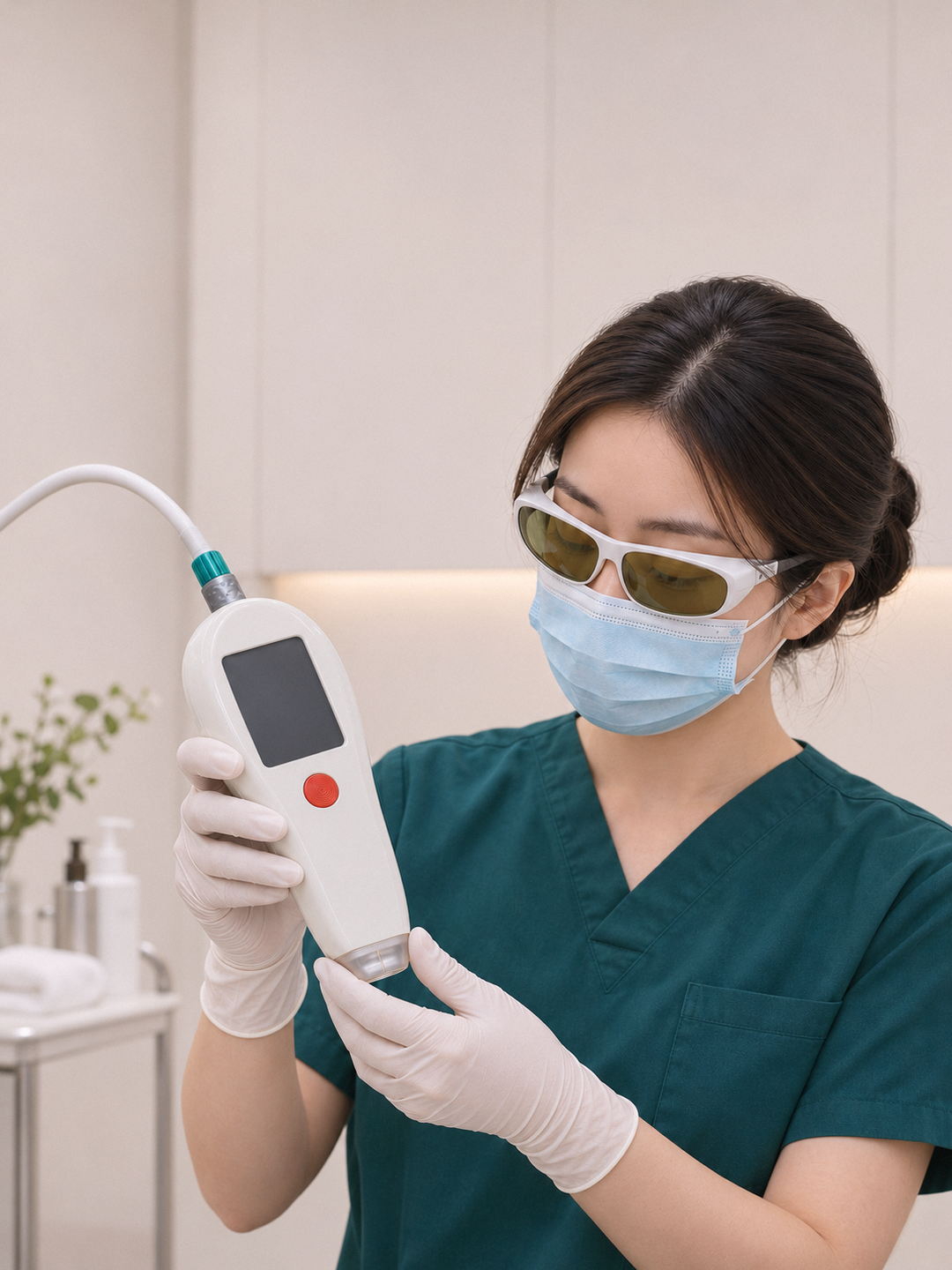
ReviFrax® is described by Rexults as a dual-wavelength fractional laser used for skin renewal, texture and collagen remodelling. Fractional technology delivers energy to numerous small treatment zones while leaving intervening skin relatively untreated. The subsequent healing response may influence texture and the appearance of selected scars.
This is a useful way to understand the treatment, but the name of a device alone does not tell us which scars will respond. Depth, wavelength, energy settings, skin tone, prior procedures and aftercare influence the actual tissue response. Different fractional systems can have different downtime and risk profiles.
Read the clinic's ReviFrax® overview for its specific treatment positioning, then ask the doctor what outcomes can reasonably be expected for your own scar type.
What Does Collagen Remodelling Mean?
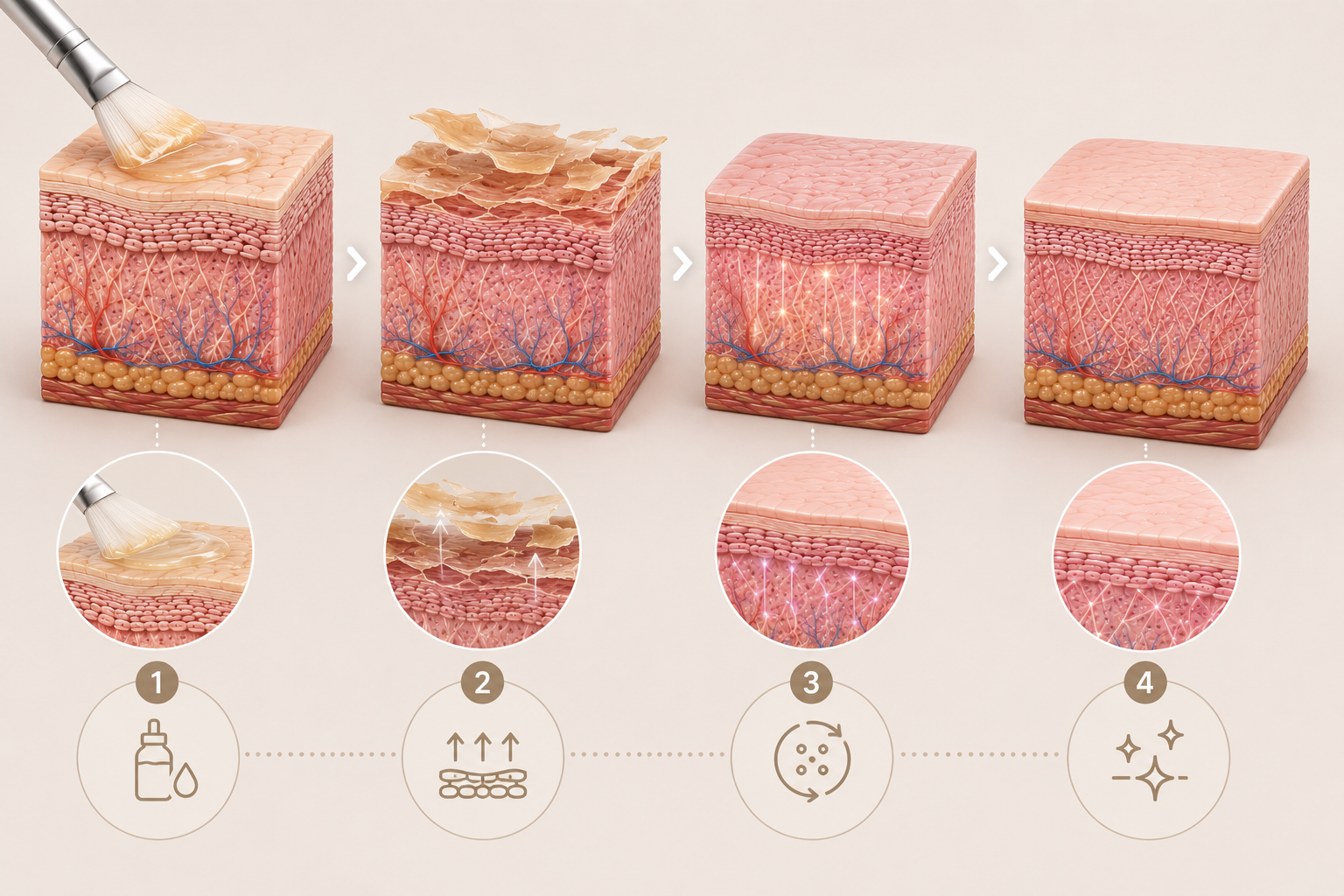
Fractional laser treatment produces controlled tissue effects. As the area heals, the skin undergoes remodelling that may gradually reduce the contrast between a shallow scar and the surrounding surface. This is not the same as erasing a scar. Even after improvement, texture differences may remain, especially where there is deep tissue loss.
Remodelling is also a process measured over time rather than immediately after a session. Early swelling can temporarily make scars appear shallower; it should not be confused with the final treatment effect. Consistent clinical photographs and an agreed review interval are more informative than judging results the next day.
What Is Subcision for Acne Scars?
Subcision is a procedure in which a qualified clinician passes an appropriate instrument beneath a depressed scar to release fibrous bands attaching the skin to deeper tissue. When those bands are an important cause of the depression, releasing them may allow the surface to rise.
Subcision is particularly discussed for rolling acne scars with tethering. It is not simply another form of resurfacing and does not act by targeting pigment. The procedure may cause bruising, swelling and bleeding under the skin, and it has its own procedural risks.
Not every rolling-looking depression is tethered, and not every tethered scar is equally suitable for release. A doctor should assess scar mobility, depth, location and the surrounding anatomy before recommending this technique.
Important service distinction: This article compares subcision as a recognised scar-management technique. The current Rexults link list does not provide a dedicated subcision service page; its availability at the clinic must be confirmed before publication.
Does Subcision Work for Ice-Pick or Boxcar Scars?
It is not generally the first conceptual choice for a narrow, deep ice-pick scar. Deep boxcar scars may also need a different focal approach, depending on their edges and depth. Some patients have combinations of scar types, so a doctor might discuss several distinct techniques without suggesting that everyone needs them.
Subcision can improve a tethered component but cannot guarantee that altered surface texture or pigment will disappear. This distinction is why a comparison with fractional resurfacing is useful.
ReviFrax vs Subcision: Main Differences
The meaningful comparison is skin-texture remodelling versus release of fibrous tethering. Both procedures have limitations, and neither should be presented as universally superior.
Which Is More Relevant for Rolling Acne Scars?
Rolling scars often have gently sloping edges that create wave-like shadows under directional light. Some are tethered; others reflect more general tissue loss or a combination of factors.
When a scar is strongly attached to deeper tissue, surface-directed treatment alone may not adequately release the downward pull. Subcision is designed to address that mechanical component. A fractional laser may still be considered when surrounding texture needs attention, but whether it is appropriate depends on the scar and the person's risk profile.
A medical examination may include feeling how the scar moves when the skin is stretched. Photographs taken with consistent lighting can help distinguish a deep indentation from superficial roughness. People who describe their concern as general uneven skin tone and texture may discover that several different problems contribute to what they see.
What About Ice-Pick and Boxcar Acne Scars?
Ice-pick scars can extend deeply with a small surface opening. A broad resurfacing procedure may improve surrounding skin without sufficiently treating the deepest point. Depending on the clinical findings, focal approaches may be discussed. There is no reason to assume that subcision is appropriate simply because a scar is deep.
Boxcar scars vary considerably. Shallow examples may respond differently from deep, sharply defined depressions. Fractional resurfacing may be part of an individualised plan for some boxcar scars, but a complete resolution should not be promised.
The practical question is not “Which machine is stronger?” It is “Which part of the scar can this procedure actually address?” That question should guide the medical discussion.
Can ReviFrax and Subcision Be Combined?
The two techniques may be considered for different components of scarring, but combined treatment is not automatically indicated. A possible rationale is that releasing a tether and remodelling an uneven surface are different clinical objectives. Whether either or both make sense depends on the scar types present, the patient's healing history, the available evidence and the expected balance of benefits and risks.
The order and timing of procedures matter. Treatment too close together can make it harder to interpret complications or assess results. A personalised plan should explain why every step is being proposed and what might reasonably improve without that step.
Some patients also need assessment of active pigmentation or prominent pores. For example, pigmentation after acne can remain visible even when an indentation improves, while enlarged pores can create additional surface irregularity. Neither should be mislabeled as a tethered scar.
How Much Downtime and Discomfort Should You Expect?
After fractional resurfacing, patients may experience warmth, redness, swelling, dryness, roughness or peeling. Depending on settings, there may be more substantial skin disruption and a longer recovery period. Risks include infection, post-inflammatory hyperpigmentation, changes in skin colour and, less commonly, additional scarring.
Subcision involves an instrument moving beneath the skin, so bruising, tenderness, local swelling or haematoma can occur. Infection, persistent nodules, contour changes and injury to surrounding structures are potential complications. The procedure requires training and careful anatomical assessment.
The recovery period cannot be predicted solely from a procedure name. Skin tone, scar burden, medications, technique and individual healing vary. Patients with a history of dark marks after inflammation should tell their clinician, since treatment-related pigmentation is an important concern in a diverse population such as Singapore's.
Why Follow-Up Matters More Than a One-Session Promise
A first treatment may be part of a longer plan, or it may reveal that the expected improvement has been achieved without further procedures. Either way, clinical follow-up helps evaluate true change after swelling resolves and tissue settles. Patients should not be given a universal session count based on generic before-and-after photographs.
Can Existing Acne Scars Be Removed Completely?
Many atrophic scars can be improved, but complete removal cannot be guaranteed. The extent of change depends on scar depth, tethering, tissue loss, treatment choice, healing and individual expectations. Some shadows become less obvious even though the scar remains visible under particular lighting.
Patients should be cautious of claims that one treatment works for every scar type. The medical literature supports individualised, often multimodal scar management, but this does not mean combining procedures is obligatory or appropriate in every case.
When evaluating services, patients may also want to understand how the clinic approaches broader treatment planning. Rexults lists a Customised Laser Programme; this is useful context for questions about laser suitability, not evidence that subcision is included.
Questions to Ask at an Acne Scar Consultation in Singapore
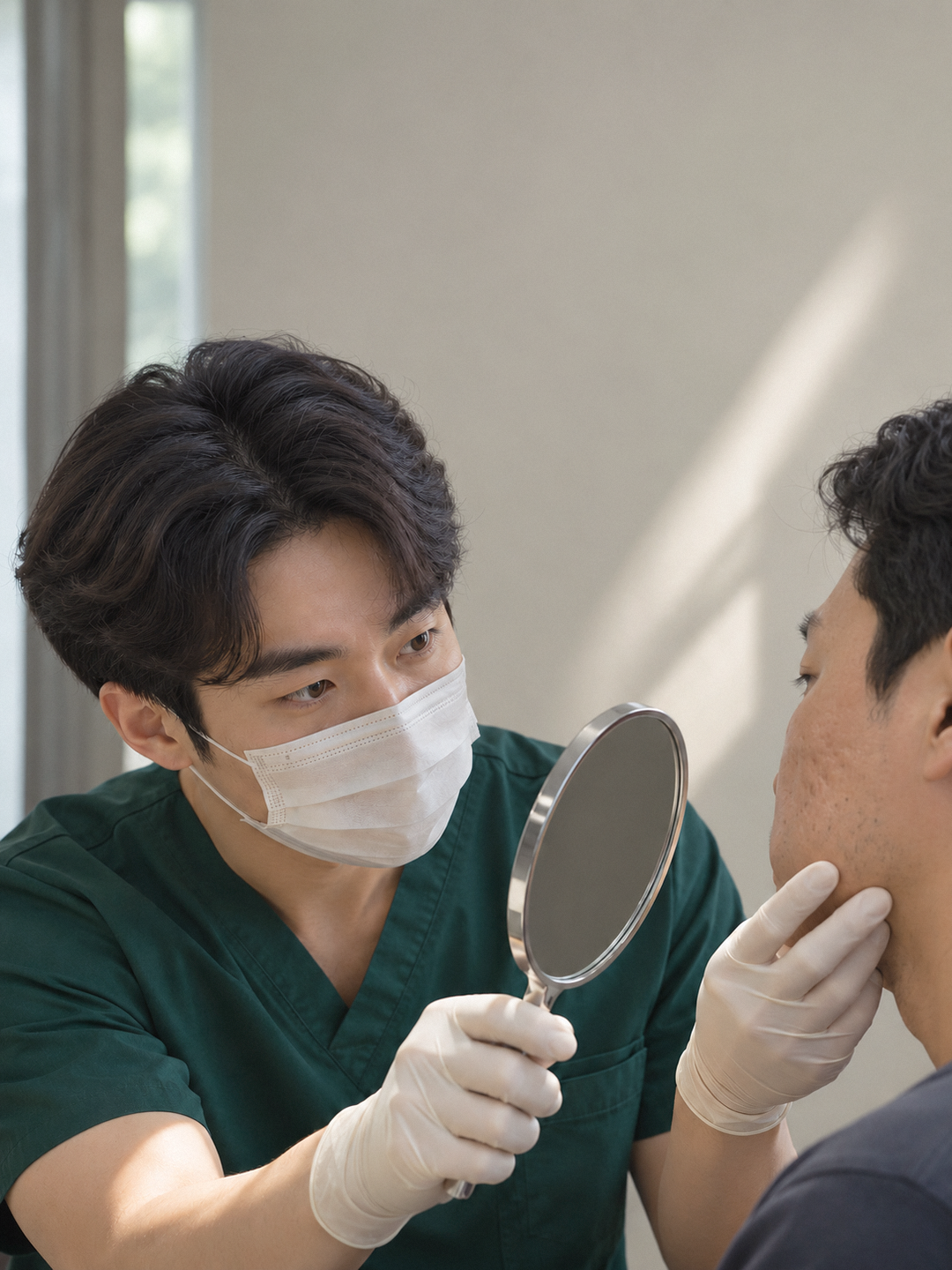
A useful consultation should clarify the diagnosis rather than immediately propose a package. Ask which scars are rolling, ice-pick or boxcar; whether any are mechanically tethered; which changes are merely colour; and whether active acne needs control before procedures.
Also ask what is known about likely improvement for your scar pattern, which risks apply to your skin tone, what recovery will look like, what alternatives exist and what signs after treatment require urgent contact. If subcision is being considered, verify the clinician's experience, the anatomical area and whether the service is actually offered.
To discuss acne scars and available treatment options, contact Rexults Clinic through its official WhatsApp consultation channel. A consultation does not imply that either procedure is suitable for every patient.
A Scar-Specific Approach Is More Useful Than a Simple Winner
ReviFrax and subcision are not competing versions of exactly the same treatment. Fractional laser therapy seeks to influence selected skin textures through controlled tissue effects and subsequent remodelling. Subcision releases fibrous attachments associated with certain depressed scars.
A person with shallow boxcar scars may need a different plan from someone with deep tethered rolling scars. A person with mostly flat acne marks may not need either. Responsible acne scar care starts by identifying which of those problems is present.
If you are weighing your options for acne scarring, arrange a medical consultation with Rexults Clinic to discuss the findings, treatment limitations and risks in your particular case.